




Zinnias Growing: How to Grow Zinnias for Bigger, Healthier Blooms All Summer
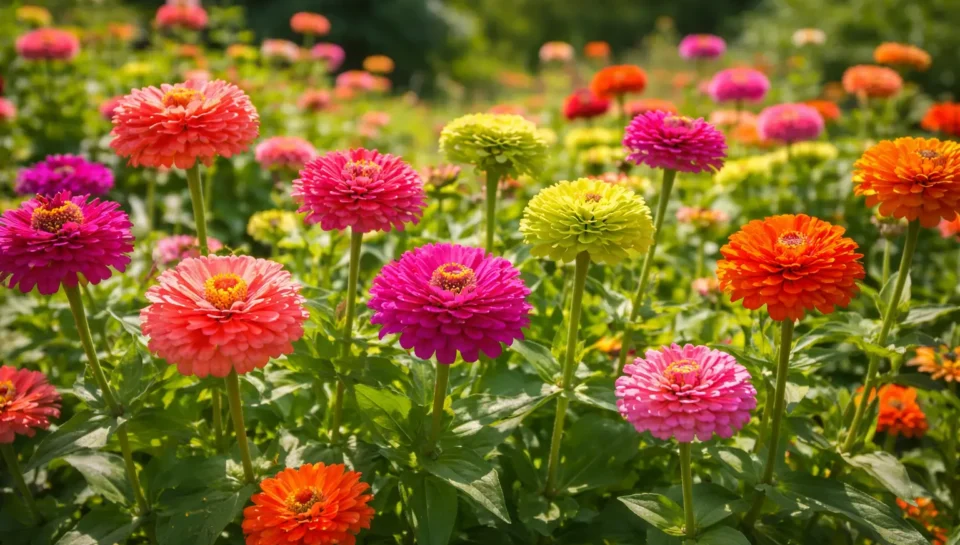
There is nothing subtle about zinnias in late summer. They blaze coral, magenta, lime green, crimson, sunset orange. While other flowers fade in the heat, zinnias perform.
If you’re serious about zinnias growing, understand this: the more you cut them, the more they bloom. They thrive on attention, reward consistency, and deliver armfuls of color until frost.
Ignore a few key rules, however, and you’ll get mildew, weak stems, and disappointment. Follow them, and your garden will not stop producing.
What Are Zinnias?
Zinnias are fast-growing annual flowers that thrive in full sun, bloom continuously in warm weather, and are ideal for cutting gardens due to their “cut-and-come-again” nature.
Why Zinnias Growing Is Worth It
Zinnias are not just beautiful—they are practical:
- Bloom from early summer until frost
- Extremely beginner-friendly
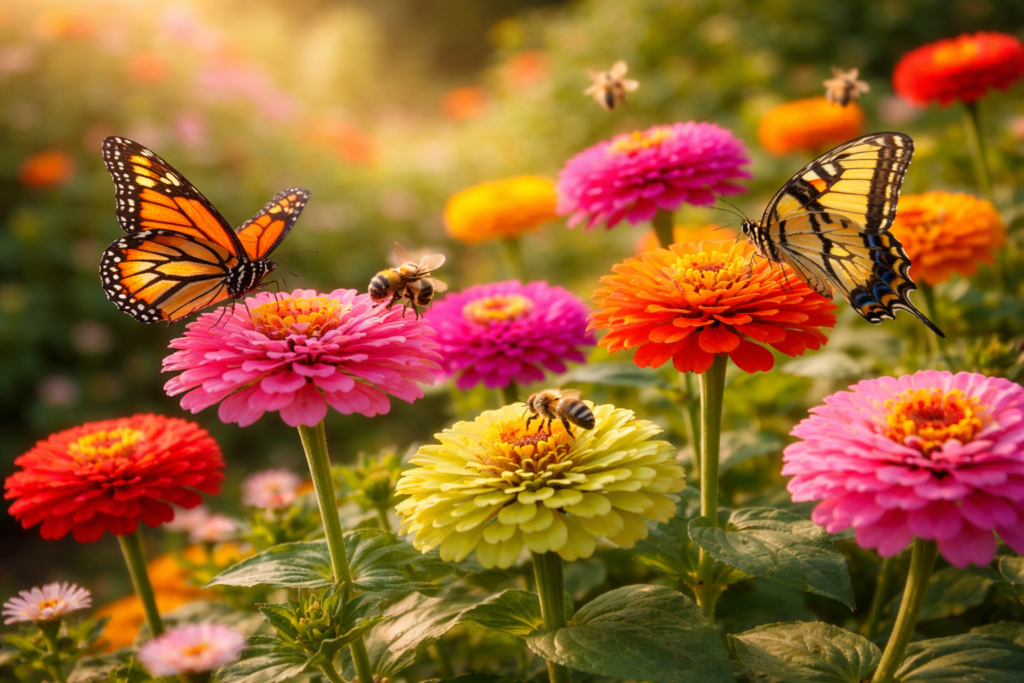
- Attract butterflies and pollinators
- Non-toxic to pets
- Perfect for cut flower arrangements
Whether you are new or experienced, zinnias growing delivers reliable results with minimal effort.
When to Start Zinnias Growing
Timing determines success.
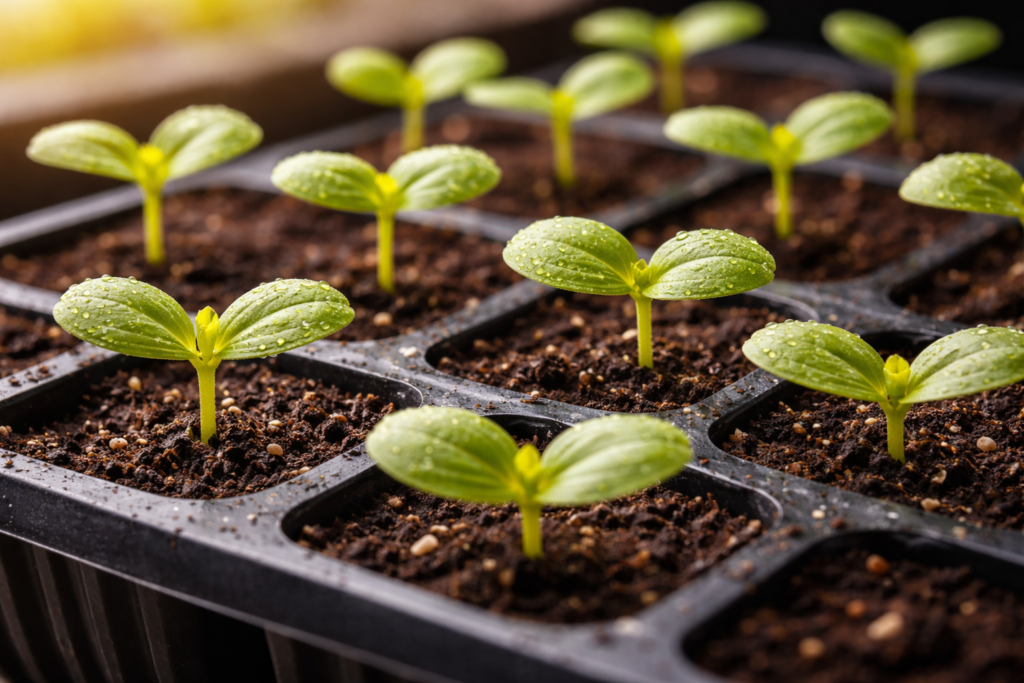
- Sow indoors in April for earlier blooms
- Direct sow outdoors in late May or early June
- Always plant after the last frost
Zinnias need warm soil. Ideally:
👉 21–29°C (70–85°F) for fast germination
👉 Seeds sprout in 3–5 days in optimal conditions
Cold soil slows everything downand stresses seedlings.
Where Zinnias Grow Best
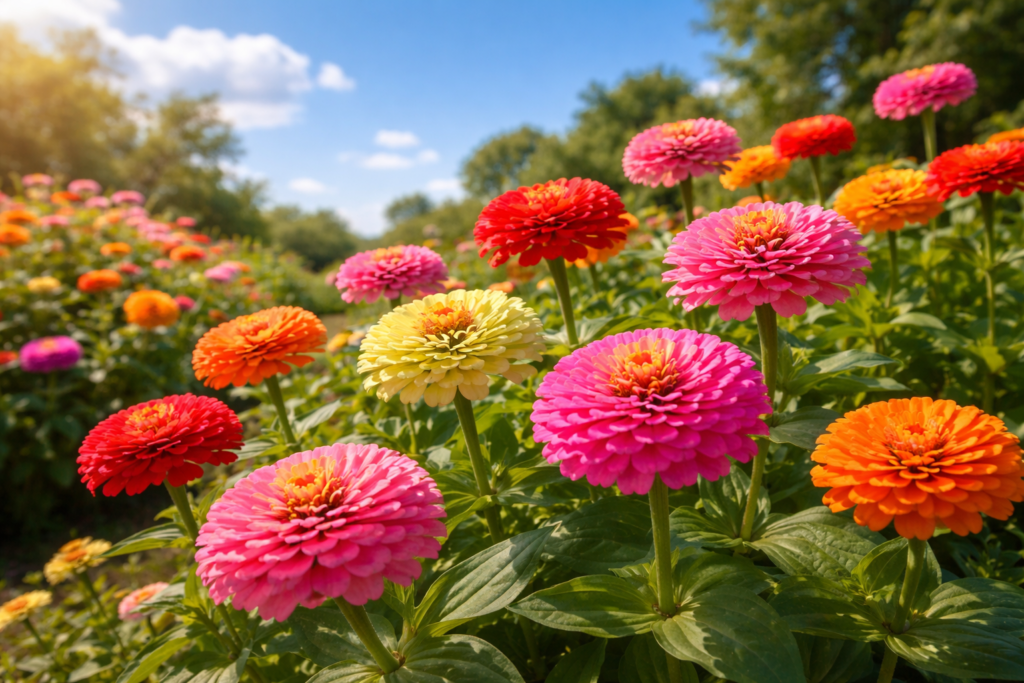
Zinnias demand full sun. Not partial. Not “mostly.”
👉 Minimum: 6–8 hours of direct sunlight
Without enough sun:
- Stems weaken
- Blooms shrink
- Disease increases
Additionally, soil must be well-drained. Wet soil leads to root stress and fungal issues.
How to Grow Zinnias from Seed (Step-by-Step)
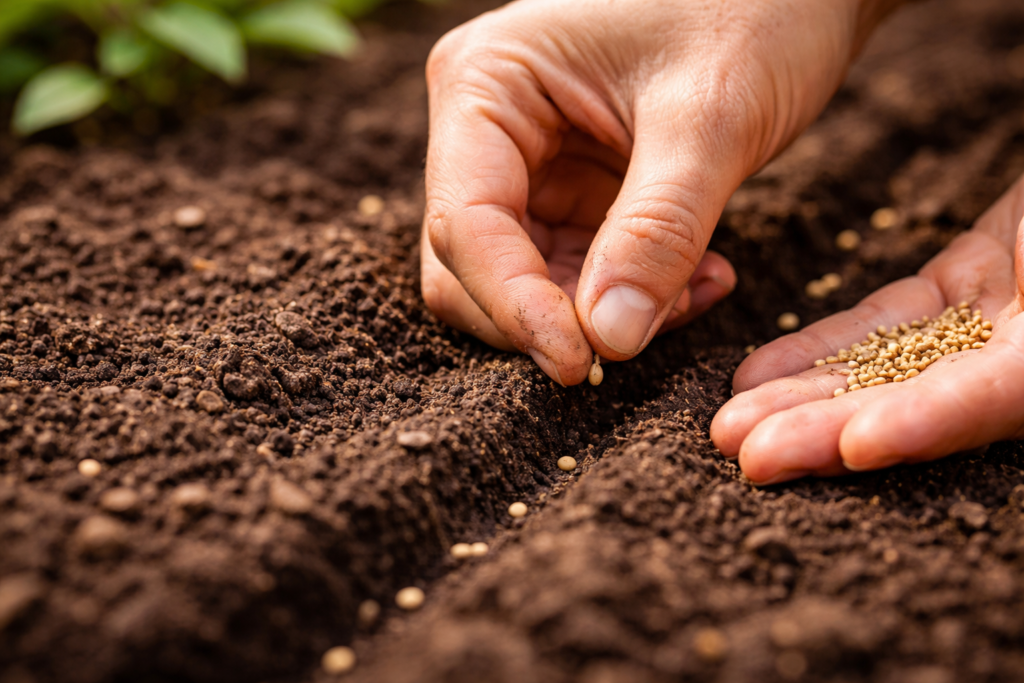
For successful zinnias growing, follow this simple process:
- Sow seeds directly or in individual modules
- Plant ¼ inch deep
- Keep soil lightly moist
- Thin seedlings to allow airflow
Zinnias dislike root disturbance, so direct sowing is often best.
👉 Overcrowding leads to mildew space your plants properly.
Zinnia Care Guide (What Most People Get Wrong)
Watering
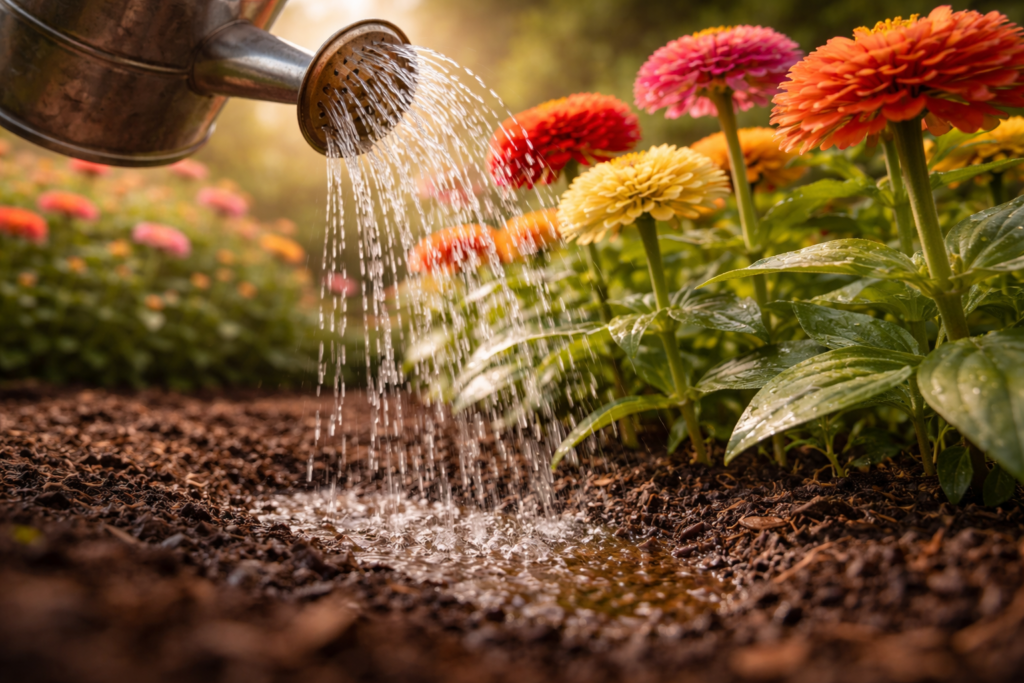
Watering is where most growers fail.
- Always water at the base
- Avoid wetting leaves
- Water deeply, then let soil slightly dry
👉 Consistency is key. Not extremes.
The Pinching Trick
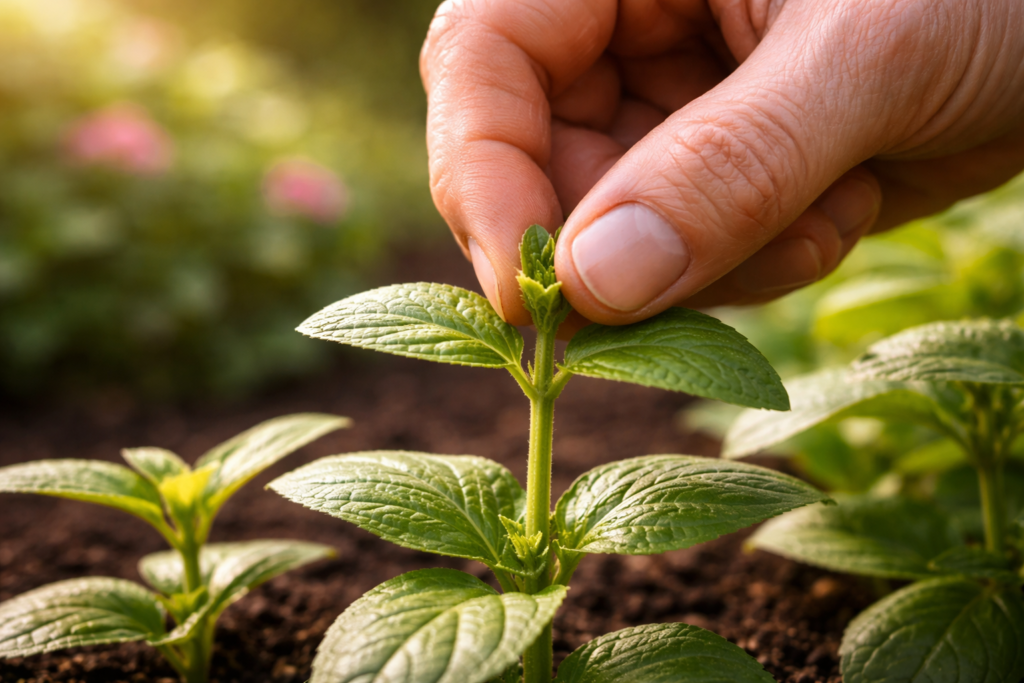
When plants reach 8–12 inches tall, pinch the top.
Yes, you lose the first flower.
But you gain:
- Bushier plants
- More stems
- Significantly more blooms
It feels wrong. It works perfectly.
Feeding for Maximum Flowers
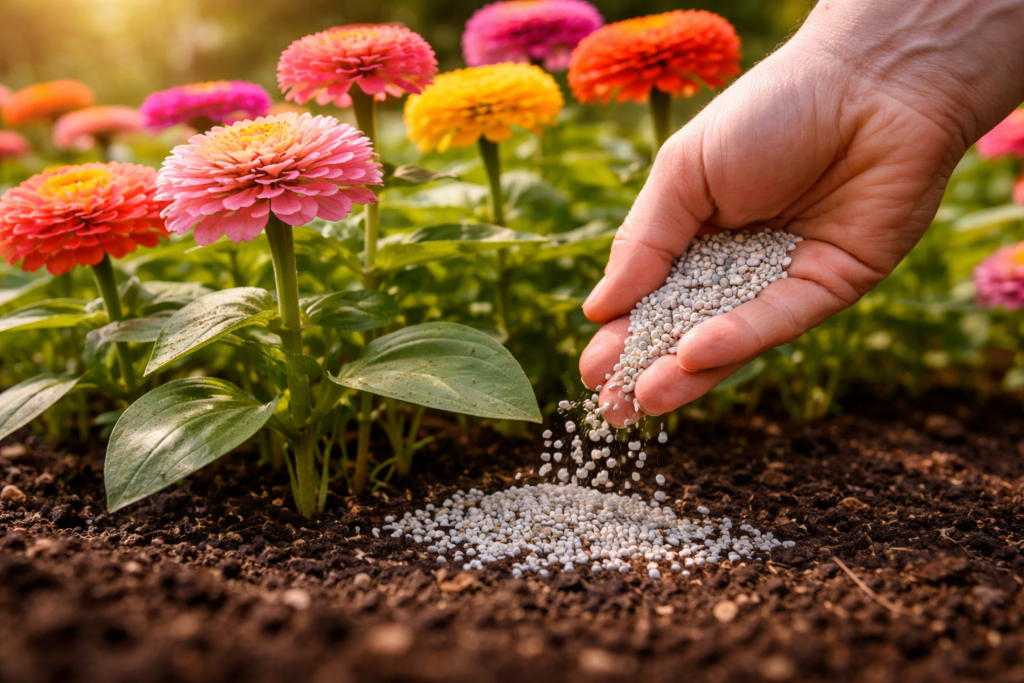
Feed every 2–3 weeks once buds form.
- Use high-potash fertilizer
- Avoid nitrogen-heavy feeds
👉 Nitrogen grows leaves
👉 Potassium grows flowers
Choose wisely.
Support and Staking
Tall zinnias can collapse under rain or wind.
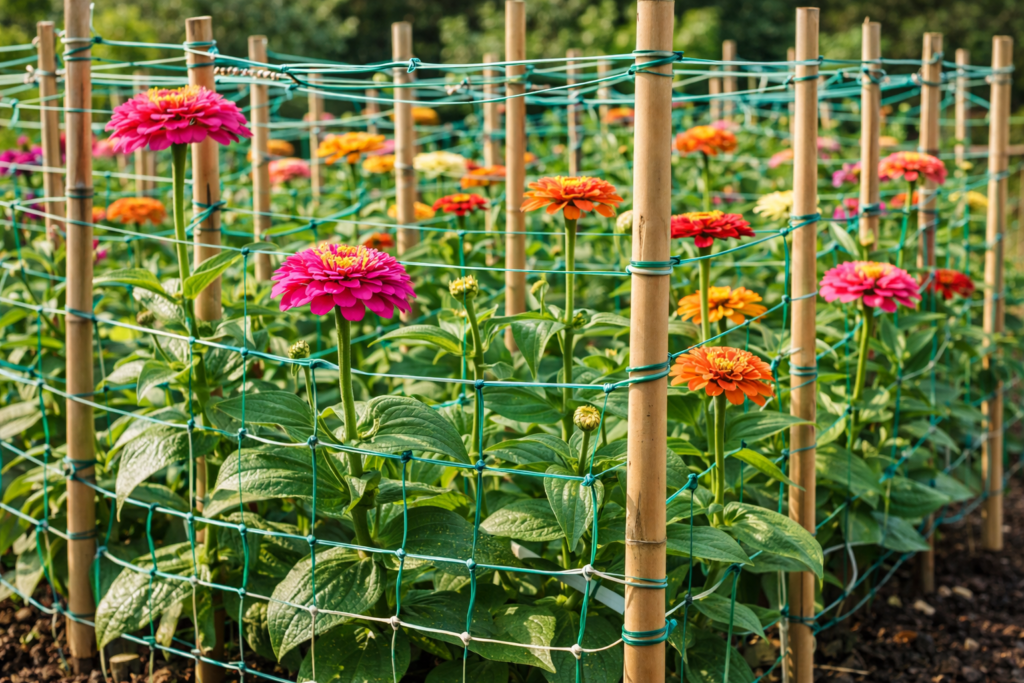
Use:
- Pea netting
- Bamboo stakes
- Support rings
Install support early—fixing fallen plants rarely works.
Best Zinnia Varieties for Stunning Results
Not all zinnias are equal.
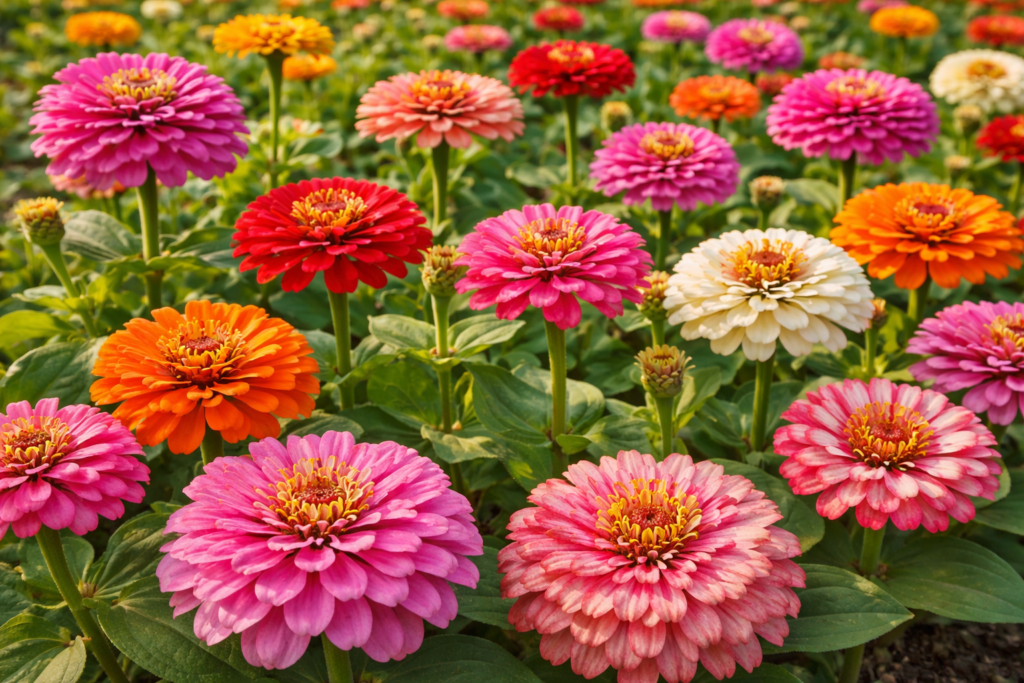
Top Performers:
- Benary’s Giant Series – best for cut flowers
- Queen Lime Series – soft, vintage tones
- Oklahoma Series – smaller, mildew-resistant
- Purple Prince – bold and dramatic
- Zahara Series – compact and disease-resistant
- Thumbelina – perfect for borders
👉 For best results: mix focal, filler, and medium blooms.
When to Harvest Zinnias
Cutting at the right time is critical.
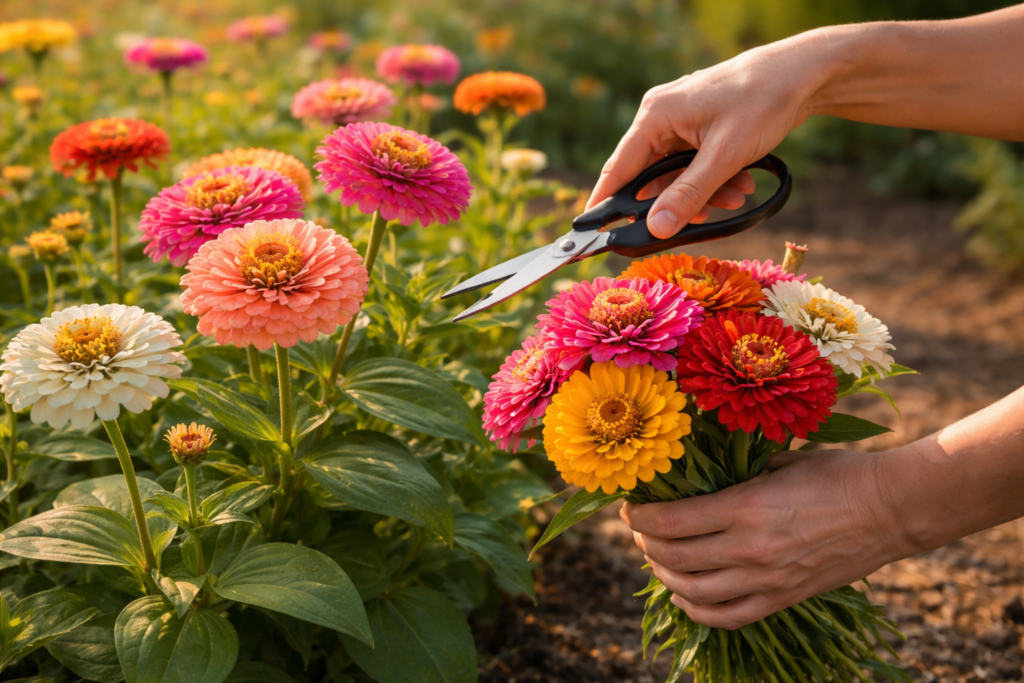
👉 Gently shake the stem:
- Floppy = too early
- Firm = perfect
Harvest:
- Early morning
- With sharp scissors
- Place immediately in water
Zinnias have hollow stems—handle carefully.
Designing with Zinnias
Zinnias are bold but versatile.
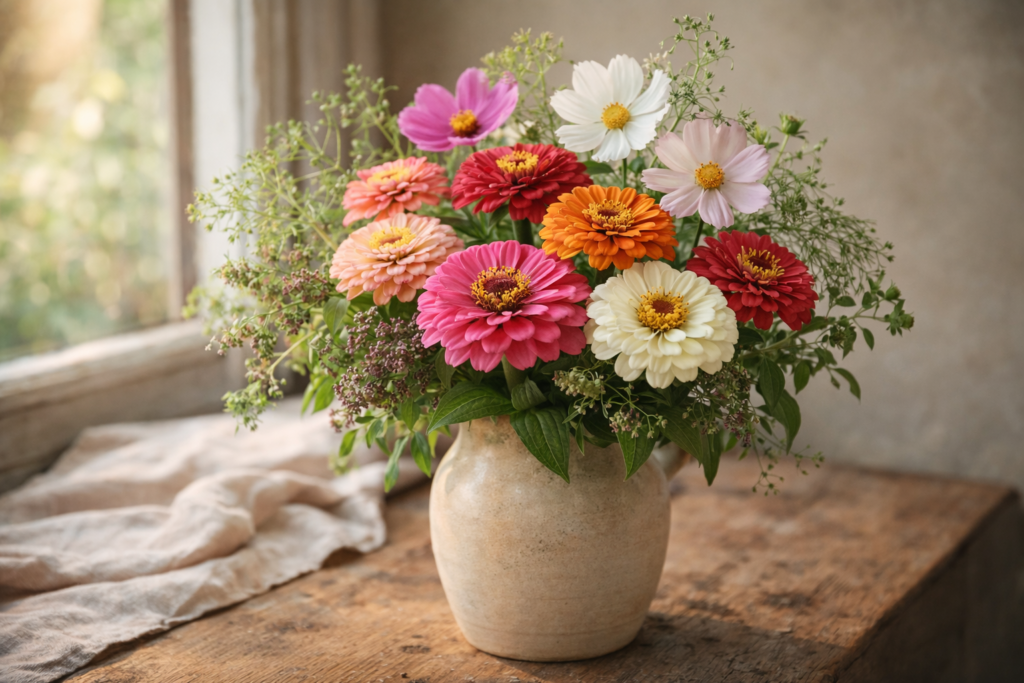
Pair them with:
- Cosmos
- Gomphrena
- Basil or mint
- Ammi
For drying, use silica gel to preserve color and structure.
Common Problems in Zinnias Growing
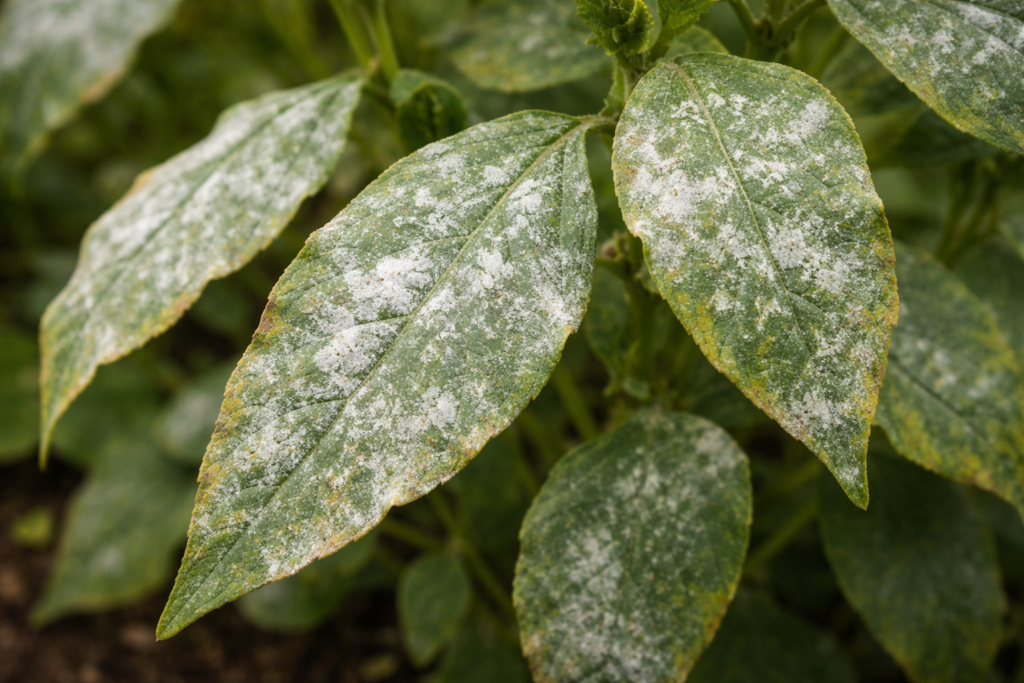
Powdery Mildew
- Cause: poor airflow, wet leaves
- Fix: space plants, water at base
Slugs
- Attack young plants
- Use traps or barriers
Leaf Spot
- Remove affected leaves
- Improve airflow
Aphids & Spider Mites
- Treat with neem oil or insecticidal soap
Conclusion
Zinnias are one of the most rewarding flowers you can grow. They thrive in heat, bloom relentlessly, and improve the more you cut them.
Master the basics of zinnias growing, and you’ll have a garden that produces color, pollinators, and bouquets all season long.
Plant them once and you’ll never garden without them again.
Frequently Asked Questions
Do zinnias come back every year?
No, zinnias are annuals, but they self-seed easily in warm climates.
How often should I water zinnias?
Water deeply 2–3 times per week, depending on weather, while keeping foliage dry.
Why are my zinnias not blooming?
Common causes include too much nitrogen, lack of sunlight, or overcrowding.
Can zinnias grow in pots?
Yes, compact varieties like Zahara and Thumbelina are ideal for containers.