

Home improvement often starts with a small problem. Maybe your energy bill keeps rising, your kitchen feels too small, your bathroom looks old, or you notice a roof leak, cracked paint, loose flooring, or poor lighting around your home. At first, these issues may seem minor. But from practical home experience, small problems can become bigger when they are ignored. A tiny leak can turn into water damage. Poor insulation can make every season uncomfortable. Old wiring, weak locks, or broken steps can also create safety risks for your family.
That is why many homeowners search for why home improvement is important MintpalHouse. They want to know if home upgrades are really worth the time, money, and effort. The simple answer is yes. Home improvement is important because it protects your home, improves safety, increases comfort, saves energy, and can raise property value. A home is not just a place to live. It is also one of your biggest investments. In this MintpalHouse guide, you will learn how smart home improvement helps new homeowners, families, older homeowners, busy homeowners, budget-conscious homeowners, and people who may sell their home in the future.
The Importance of Home Improvement
Home improvement means repairing, changing, or upgrading your home to make it better than before. These changes can be small or large depending on your budget, needs, and goals.
For example, you may paint a room, replace old flooring, fix a leaking pipe, add more storage, upgrade lighting, repair the roof, improve the bathroom, or remodel the kitchen. These projects improve the look of your home, but they also make your home more useful and comfortable.
A good home improvement plan can increase property value, improve safety, save energy, reduce future repair costs, add useful space, and make daily life easier.
Home improvement is not only about design. It is also about smart home care. When you improve your home at the right time, you can avoid bigger problems later.
Home Improvement vs Home Maintenance
Home improvement and home maintenance are connected, but they are not the same.
Home maintenance means keeping your home in good condition. It includes cleaning gutters, fixing leaks, checking the roof, servicing HVAC systems, replacing worn caulk, and repairing small damage.
Home improvement means making your home better than before. It includes remodeling a kitchen, adding insulation, replacing old flooring, upgrading lights, improving outdoor space, or adding more storage.
Both are important. Maintenance protects your home from damage. Improvement adds comfort, beauty, function, and value.
If you are a new homeowner, start with maintenance first. Fix leaks, check the roof, inspect plumbing, and make sure your home is safe. After that, you can plan bigger upgrades.
Increase Property Value and Market Appeal
One of the biggest reasons home improvement is important is property value. A clean, updated, and well-kept home usually has better market appeal.
Buyers often prefer homes that look safe, modern, and easy to maintain. Fresh paint, better lighting, new flooring, clean landscaping, and updated kitchens can make a strong first impression.
Even small changes can make a home feel newer and more welcoming. This is helpful if you want to sell your home in the future. It is also useful if you simply want to protect your long-term investment.
Popular Value-Adding Projects
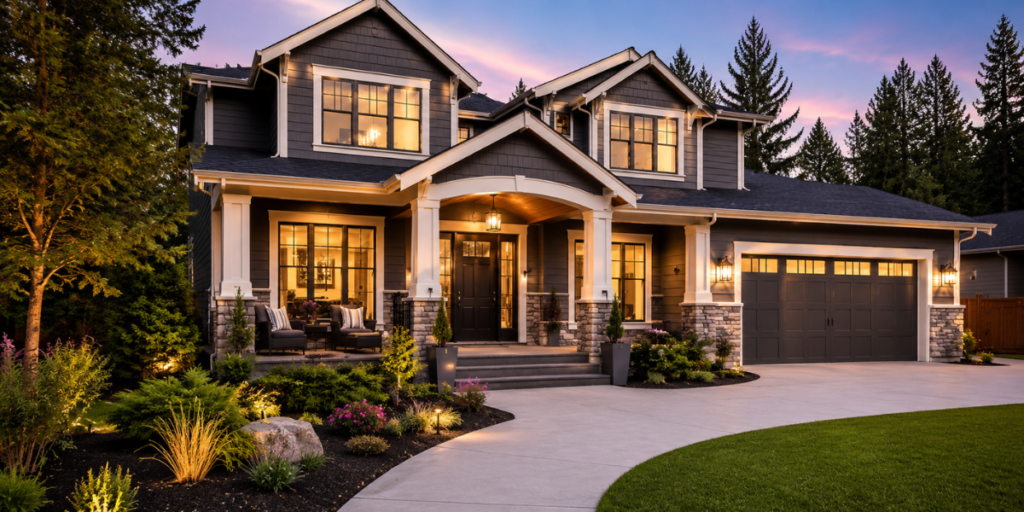
Some projects can add more value than others. Kitchen updates, bathroom upgrades, new flooring, fresh paint, roof repairs, better front doors, garage doors, siding upgrades, and landscaping are common value-adding improvements.
These projects improve both appearance and function. A clean entryway, bright rooms, and repaired features can make your home more attractive and easier to use.
You do not always need a full remodel. Sometimes, small upgrades can make a big difference.
Financial Benefits of Remodeling
Home improvement can also bring financial benefits. When you upgrade important parts of your home, you may increase its resale value and protect your investment.
However, not every project gives the same return. A simple kitchen update may be better than a very expensive remodel. A useful and clean upgrade is often more valuable than a design that is too trendy or personal.
Before starting a project, think about your goal. Ask whether the improvement will make your home safer, more comfortable, easier to maintain, or more valuable.
For budget-conscious homeowners, repairs and simple upgrades should come first. You can improve your home without spending too much.
Best Home Improvements Before Selling
Before selling a home, focus on improvements that buyers notice quickly. These include fresh paint, clean floors, good lighting, a repaired roof, a clean kitchen, updated bathroom fixtures, and a welcoming front entry.
Simple and neutral upgrades usually work best. Avoid very personal design choices because every buyer has different taste.
You do not always need to remodel the whole house before selling. In many cases, small repairs and cosmetic updates can make the home feel fresh and ready.
Fix leaks, replace broken fixtures, clean the yard, update cabinet hardware, and improve lighting. These small steps can help buyers see the home in a better way.
Enhance Energy Efficiency and Reduce Utility Costs
Another important reason for home improvement is energy efficiency. An energy-efficient home uses less energy and feels more comfortable in every season.
If your home has air leaks, poor insulation, old windows, or outdated appliances, your heating and cooling system may work harder. This can increase your monthly bills.
Home improvement can help reduce this waste. Sealing air leaks, adding attic insulation, using LED lights, installing a smart thermostat, servicing your HVAC system, and improving door and window seals can make your home more efficient.
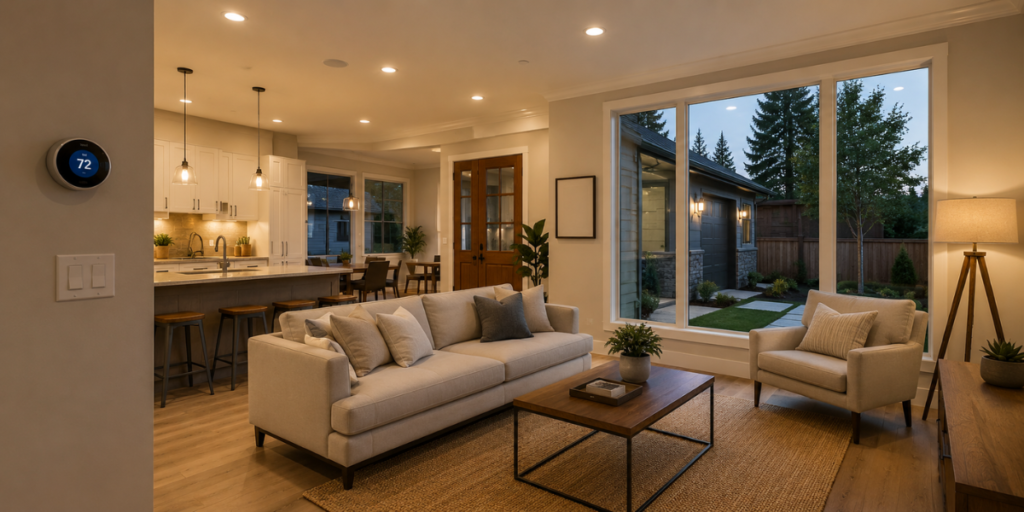
These upgrades can also make your home warmer in winter and cooler in summer.
Improve Safety, Security, and Structural Integrity
Safety is one of the most important parts of home improvement. A home may look beautiful, but hidden problems can still create risks.
Old wiring, roof leaks, weak stairs, broken locks, poor lighting, water damage, and damaged flooring can all become serious issues. That is why safety upgrades should not be ignored.
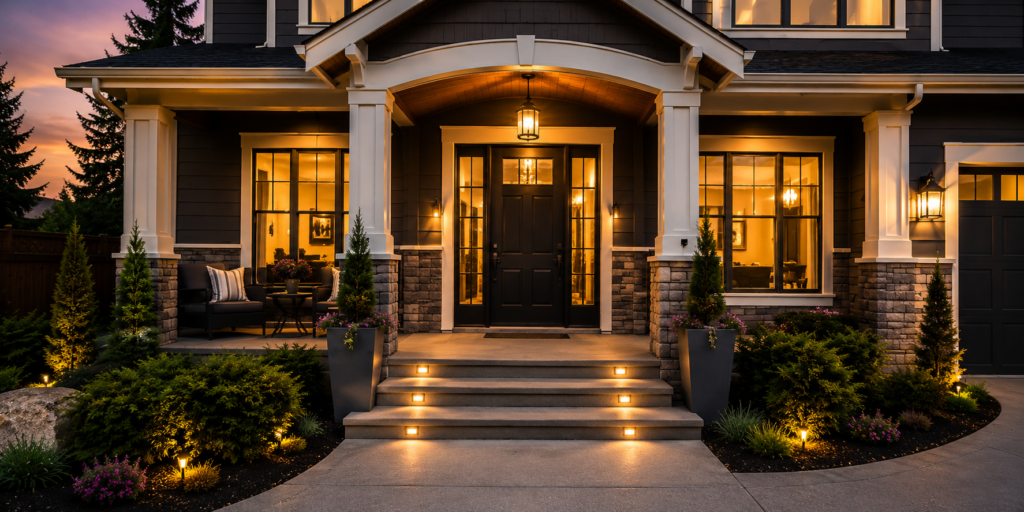
Repairing the roof, fixing plumbing problems, improving electrical systems, adding smoke alarms, installing better locks, and adding outdoor lighting can help protect your family and property.
Small problems should be fixed early. A small roof leak can later cause ceiling damage, mold, and wood rot. Regular home improvement helps prevent these bigger problems.
Improve Indoor Air Quality and Health
Home improvement can also support better health. Poor ventilation, moisture, dust, and mold can make a home uncomfortable and unhealthy.
Simple upgrades can improve indoor air quality. You can replace HVAC filters, improve bathroom ventilation, seal water leaks, remove mold, use low-VOC paint, add exhaust fans, and control indoor humidity.
A clean and healthy home is better for your family. It can reduce discomfort, improve air quality, and make your space feel fresher.
This is especially important for families with children, older homeowners, and people who worry about mold, dust, or allergies.
Maximize Space, Functionality, and Comfort
A home should fit your daily life. As your needs change, your home may need to change too.
You may need a home office, more storage, a playroom, a guest room, or a safer space for older family members. Home improvement can help your home adapt to these needs.
Adding shelves, improving closets, using built-in storage, finishing a basement, converting an attic, or improving the layout can make your home more useful.
You do not always need a large remodel. Sometimes better lighting, storage, and furniture placement can make a room feel larger and more comfortable.
Maintain and Upgrade Home Aesthetics and Comfort
Aesthetics means how your home looks and feels. A clean, updated home can improve your mood and make you feel proud of your space.
Old paint, damaged floors, poor lighting, and outdated fixtures can make a home feel tired. Simple upgrades can make it feel fresh again.
Interior upgrades may include painting walls, updating lights, replacing flooring, adding storage, changing cabinet hardware, and improving bathroom fixtures.
Exterior upgrades may include painting the front door, cleaning siding, repairing the roof, improving landscaping, adding outdoor lights, and replacing old windows.
Both inside and outside improvements matter because they improve comfort, beauty, and value.
Long-Term Cost Savings and Preventive Maintenance
Home improvement can save money over time. Many homeowners wait until something breaks, but this can cost more in the long run.
Preventive maintenance means fixing small problems before they become expensive repairs. Cleaning gutters, checking the roof, sealing cracks, servicing HVAC systems, fixing leaks, checking plumbing, and testing smoke alarms can help protect your home.
These tasks may seem small, but they can prevent serious damage. For example, clean gutters help move water away from your home and protect your roof, walls, and foundation.
Smart home improvement means spending money in the right places at the right time.
Seasonal Home Improvement Checklist
Home improvement becomes easier when you plan by season. Each season has different tasks, and a simple checklist can help you stay organized.
Spring Home Improvement Tasks
Spring is a good time to check for winter damage. You can clean gutters, inspect the roof, wash exterior areas, check windows, prepare landscaping, and look for water damage.
Summer Home Improvement Tasks
Summer is good for outdoor projects. You can paint exterior areas, repair decks, improve outdoor lighting, clean patios, check doors and windows, and upgrade landscaping.
Fall Home Improvement Tasks
Fall is the best time to prepare for cold weather. You can seal air leaks, service the heating system, clean gutters, add weatherstripping, check insulation, and inspect drainage.
Winter Home Improvement Tasks
Winter is a good time for indoor projects. You can paint indoor rooms, improve lighting, check for leaks, organize storage, update small fixtures, and plan larger projects.
Affordable Home Improvement Ideas
You do not always need a big budget to improve your home. Small changes can still create a big impact.
Affordable home improvement ideas include painting one room, replacing old cabinet handles, adding LED bulbs, installing shelves, cleaning the yard, power washing outdoor areas, adding curtains, replacing old faucets, adding bathroom storage, updating light fixtures, adding weatherstripping, and re-caulking windows or tubs.
These simple projects can make your home feel cleaner, fresher, and more useful without spending too much.
Start small and focus on the areas that matter most. Later, you can plan bigger upgrades when your budget allows.
DIY vs Professional Home Improvement
Some home improvement projects are safe for DIY, while others need a trained professional.
Simple DIY projects may include painting, basic landscaping, adding shelves, replacing cabinet handles, organizing storage, and re-caulking small areas.
However, professional help is better for electrical work, roofing, plumbing, HVAC repair, foundation repair, major remodeling, and structural changes.
This is important because some projects can be dangerous or may need permits. When in doubt, choose safety first.
Common Home Improvement Mistakes to Avoid
Home improvement can help your home, but mistakes can waste money. Many homeowners start projects without a clear plan or budget.
Common mistakes include ignoring safety problems, choosing cheap materials for important repairs, following trends too much, skipping permits, hiring unlicensed workers, ignoring water damage, over-improving for the area, doing dangerous work yourself, and forgetting regular maintenance.
Before starting, know your goal, budget, and timeline. A smart plan can help you avoid stress and make better choices.
The Home Improvement You Deserve
Every homeowner deserves a safe, comfortable, and useful home. You do not need to make every upgrade at once.
Start with the most important needs first. Fix safety issues before cosmetic upgrades. Repair leaks before painting walls. Improve insulation before buying expensive decor.
This smart order helps you spend money wisely and protect your home for the future.
The MintpalHouse approach to home improvement is simple: choose upgrades that improve safety, comfort, value, health, and daily life.
Final Thoughts
After looking at home improvement from a practical homeowner’s point of view, one thing is clear: the best upgrades are not always the most expensive ones. They are the ones that solve real problems. In my experience with home improvement content and homeowner planning, the smartest approach is to start with safety, maintenance, and comfort first. Fix leaks before painting walls. Repair weak flooring before buying new decor. Improve insulation before spending money on luxury finishes. This order helps protect your home and your budget.
Home improvement also works best when it matches your lifestyle. A growing family may need more storage. An older homeowner may need safer stairs and better lighting. A seller may need curb appeal. A busy homeowner may need low-maintenance upgrades. A budget-conscious homeowner may need simple projects like paint, caulking, lighting, or cabinet hardware. That is why home improvement is important MintpalHouse style. It is not just about making a home look better. It is about making smart choices that improve safety, comfort, value, health, and daily life. You do not need to fix everything at once. Start with one problem. Choose one useful upgrade. Then build from there. Over time, these small steps can turn your house into a safer, stronger, more beautiful, and more comfortable home.
FAQs
Why is home improvement important?
Home improvement is important because it protects your home, improves safety, increases comfort, saves energy, reduces repair problems, and can increase property value.
What are the main benefits of home improvement?
The main benefits include better property value, more comfort, improved safety, lower energy use, better space, fewer repair problems, and better daily living.
Does home improvement increase home value?
Yes, many home improvement projects can increase home value. Kitchen updates, bathroom upgrades, roof repairs, fresh paint, better flooring, and curb appeal improvements can help.
What is the difference between home improvement and home maintenance?
Home maintenance keeps your home in good condition. Home improvement makes your home better than before. Both are important for homeowners
What home improvements should I do first?
Start with safety and repair needs first. Fix leaks, roof issues, electrical problems, plumbing concerns, and broken systems before cosmetic upgrades.
Are low-cost home improvements worth it?
Yes, low-cost improvements can be very useful. Fresh paint, better lighting, new hardware, storage, caulking, and landscaping can make a big difference.
Can home improvement reduce energy bills?
Yes, some upgrades can reduce energy bills. These include insulation, air sealing, LED lights, smart thermostats, and better windows or doors
Should I do home improvement myself or hire a professional?
You can do simple tasks yourself, such as painting, shelves, or small landscaping. However, hire a professional for electrical, plumbing, roofing, HVAC, and structural work.