
Home Remedies for Cleaning Dogs Ears: Safe & Natural Guide
Home remedies for cleaning dogs ears are often the first thing worried pet owners search for when they notice scratching, head shaking, wax buildup, or a bad smell coming from…
Home remedies for cleaning dogs ears are often the first thing worried pet owners search for when they notice scratching, head shaking, wax buildup, or a bad smell coming from their dog’s ears. Many owners feel unsure whether they are dealing with simple dirt and wax or the beginning of a painful ear infection. At the same time, cleaning a dog’s ears at home can feel stressful because people naturally worry about hurting the ear canal or making the problem worse with the wrong ingredients. These concerns are completely understandable since dog ears are sensitive, and many DIY remedies shared online can actually cause irritation instead of helping.
Over the years, pet owners, groomers, and veterinarians have learned that gentle routine ear care can help prevent small ear problems from turning into painful infections when it is done safely and correctly. Regular ear checks, proper cleaning techniques, and avoiding harsh ingredients like hydrogen peroxide or alcohol can help many dogs stay healthy and comfortable. This guide combines practical dog-owner experience with veterinary safety recommendations to explain which home remedies are safest, how to clean your dog’s ears properly, and when it is important to stop home care and contact a veterinarian.
Quick Answer
The safest home remedies for cleaning dogs’ ears include sterile saline solution and veterinarian-approved dog ear cleaners. For mild wax buildup, a very small amount of mineral oil, olive oil, or coconut oil may occasionally help soften debris, although oils are not suitable for every dog and should never be used if infection is suspected.
Avoid using hydrogen peroxide, rubbing alcohol, essential oils, soap, undiluted apple cider vinegar, or cotton swabs deep inside the ear canal because they can irritate or damage your dog’s ears.
Dog Ear Cleaning Quick Facts
| Topic | Quick Answer |
|---|---|
| Can you clean a dog’s ears at home? | Yes, for healthy ears with mild wax or dirt buildup. |
| Safest natural option | Sterile saline solution. |
| Most effective routine option | Veterinarian-approved dog ear cleaner products. |
| Can olive oil be used? | Occasionally, for mild dry wax only. |
| Is coconut oil safe? | Sometimes, but not for dogs prone to infections or yeast issues. |
| Is apple cider vinegar recommended? | Usually not unless advised by a veterinarian. |
| Should hydrogen peroxide be used? | No. It may irritate healthy ear tissue. |
| Should rubbing alcohol be used? | No. It dries and irritates the ear canal. |
| How often should ears be cleaned? | Only when needed or as recommended by your veterinarian. |
| When should you see a vet? | If there is pain, swelling, bleeding, thick discharge, strong odor, or balance problems. |
Why Dog Ear Cleaning Matters
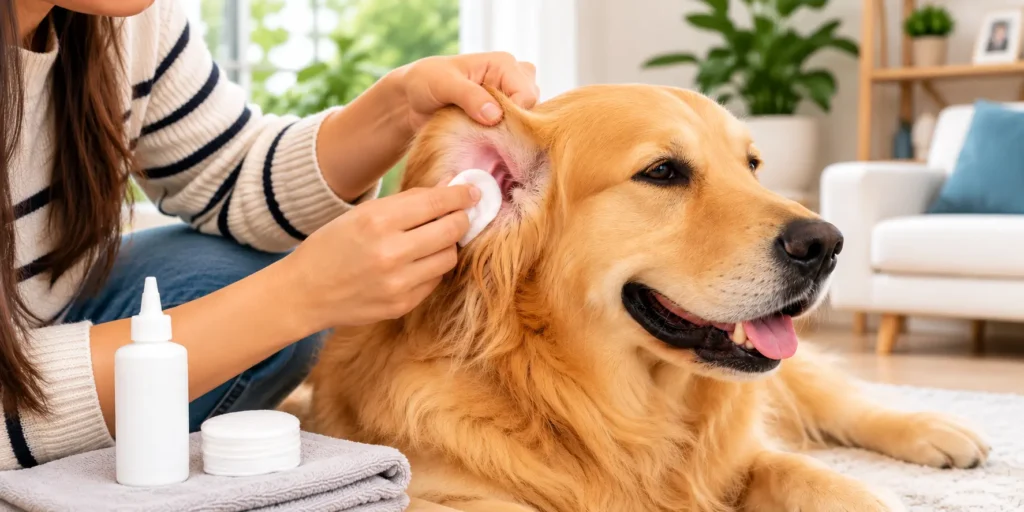
Healthy dog ears usually clean themselves naturally. However, some dogs develop excess wax, trapped moisture, or dirt buildup more easily than others.
Routine ear care can help:
- Remove dirt and wax
- Reduce trapped moisture
- Lower irritation risk
- Help prevent some infections
- Allow early detection of ear problems
For many pet owners, regular ear care is simply part of keeping their dog healthy, comfortable, and happy throughout the year.
Why Dogs Get Dirty Ears
Several factors can increase wax buildup and irritation inside the ear canal.
Common causes include:
- Swimming or bathing
- Floppy ears that trap moisture
- Outdoor activities
- Seasonal allergies
- Food allergies
- Excess hair inside the ear canal
- Humid weather
- Natural wax production
Some dogs only need occasional ear cleaning, while others benefit from weekly ear inspections.
Dogs with floppy ears such as Cocker Spaniels, Basset Hounds, Labradors, Golden Retrievers, and Poodles often require more frequent ear checks because reduced airflow can trap heat and moisture inside the ear canal.
Understanding Your Dog’s Ear Anatomy
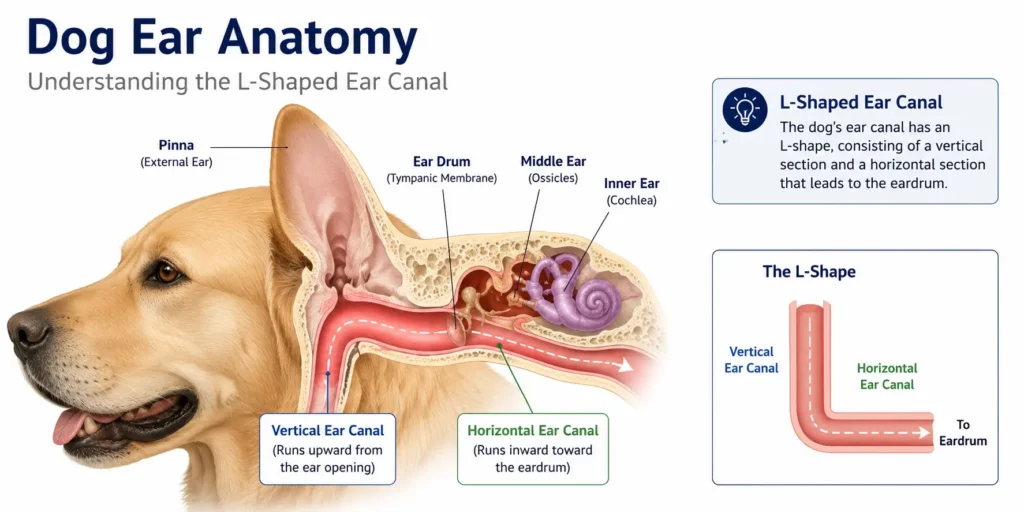
A dog’s ear canal is shaped differently from a human ear. The canal forms an “L” shape with both vertical and horizontal sections.
While this structure helps dogs hear extremely well, it also allows wax, dirt, pollen, and moisture to become trapped more easily.
Because of this design:
- Cotton swabs may push debris deeper
- Moisture may remain hidden
- Infections can develop more easily
Always clean only the visible portions of the ear unless your veterinarian advises otherwise.
Healthy Ear vs Dirty Ear vs Ear Infection
| Ear Condition | Common Signs | Home Cleaning? |
|---|---|---|
| Healthy ear | Light pink skin, minimal wax, no odor | Usually unnecessary |
| Dirty ear | Mild brown/yellow wax, light dirt, no pain | Yes |
| Mild wax buildup | Extra wax without swelling or odor | Yes |
| Possible infection | Redness, swelling, discharge, odor | No |
| Serious ear problem | Bleeding, severe pain, head tilt, balance problems | Veterinary care required |
If you are unsure whether your dog has an infection, avoid home remedies until the ears are examined by a veterinarian.
When You Should NOT Use Home Remedies
Home remedies should only be used for healthy ears with mild dirt or wax buildup.
Do not clean your dog’s ears at home if you notice:
- Severe pain
- Bleeding
- Thick yellow, green, brown, or black discharge
- Strong foul odor
- Significant swelling
- Extreme redness
- Constant head shaking
- Loss of balance
- Head tilt
- Sudden hearing problems
Never place cleaning solution into the ear if a ruptured eardrum is suspected. Signs may include severe pain, bloody discharge, hearing loss, or balance problems.
In these situations, veterinary care is the safest option.
Best Home Remedies for Cleaning Dogs Ears
Are Home Remedies Safe?
Some natural remedies can safely help with routine cleaning when the ears are healthy. However, they are not treatments for ear infections, ear mites, yeast overgrowth, or foreign objects inside the ear.
The goal of home ear cleaning is simply to remove mild wax, dirt, and moisture before irritation develops.
Safe vs Unsafe Home Remedies
| Home Remedy | Safe for Routine Cleaning? | Notes |
|---|---|---|
| Sterile saline solution | ✅ Yes | Gentle for lightly dirty ears |
| Veterinarian-approved ear cleaner | ✅ Best option | Most effective for regular maintenance |
| Mineral oil | ✅ Limited use | Helps soften dry wax |
| Olive oil | ✅ Occasional use | Avoid for infection-prone dogs |
| Coconut oil | ⚠ Limited use | May trap moisture in some dogs |
| Apple cider vinegar | ⚠ Usually discouraged | Can irritate inflamed skin |
| Hydrogen peroxide | ❌ No | Irritates healthy tissue |
| Rubbing alcohol | ❌ No | Dries the ear canal |
| Essential oils | ❌ No | Some are toxic to dogs |
| Human ear drops | ❌ No | Not designed for dogs |
1. Sterile Saline Solution
Sterile saline solution is one of the gentlest options for cleaning lightly dirty ears. It can help rinse away loose dirt and mild wax without harsh chemicals.
However, veterinarian-approved ear cleaners are usually more effective for long-term ear maintenance because they are specifically designed for canine ear care.
Sterile saline works best for:
- Mild wax
- Light dirt
- Routine maintenance
2. Mineral Oil
Mineral oil may help soften stubborn dry wax, making it easier to wipe away gently.
Use only a few drops occasionally. Excess oil may trap debris and moisture inside the ear canal.
3. Olive Oil
Olive oil is sometimes used to loosen dry earwax.
However:
- Use only occasionally
- Avoid repeated use
- Never use if infection is suspected
- Avoid for dogs prone to yeast infections
Olive oil should not replace veterinarian-approved ear cleaners.
4. Coconut Oil
Coconut oil is often discussed in natural pet care guides because of its moisturizing properties.
However, oils can sometimes worsen moisture retention or yeast problems in dogs prone to chronic ear infections.
Use only a very small amount and stop immediately if irritation develops.
Can You Use Apple Cider Vinegar?
Apple cider vinegar is one of the most commonly suggested online remedies, but many veterinarians discourage its use.
Even diluted vinegar may:
- Sting irritated skin
- Increase discomfort
- Worsen inflammation
Never use undiluted apple cider vinegar inside your dog’s ears.
What Should Never Be Used?
Never use the following products inside your dog’s ears:
- Hydrogen peroxide
- Rubbing alcohol
- Tea tree oil
- Essential oils
- Soap or shampoo
- Human ear drops
- Cotton swabs deep inside the ear canal
These ingredients may damage healthy tissue or worsen existing irritation.
Homemade Dog Ear Cleaner Recipe
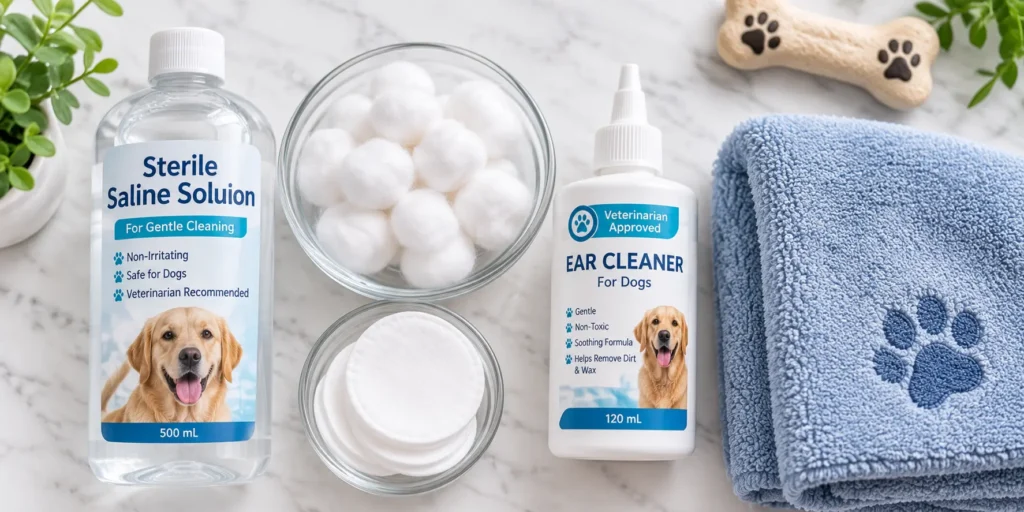
If you want a gentle homemade option for routine cleaning, sterile saline solution is usually the safest choice.
What You Need
- Sterile saline solution
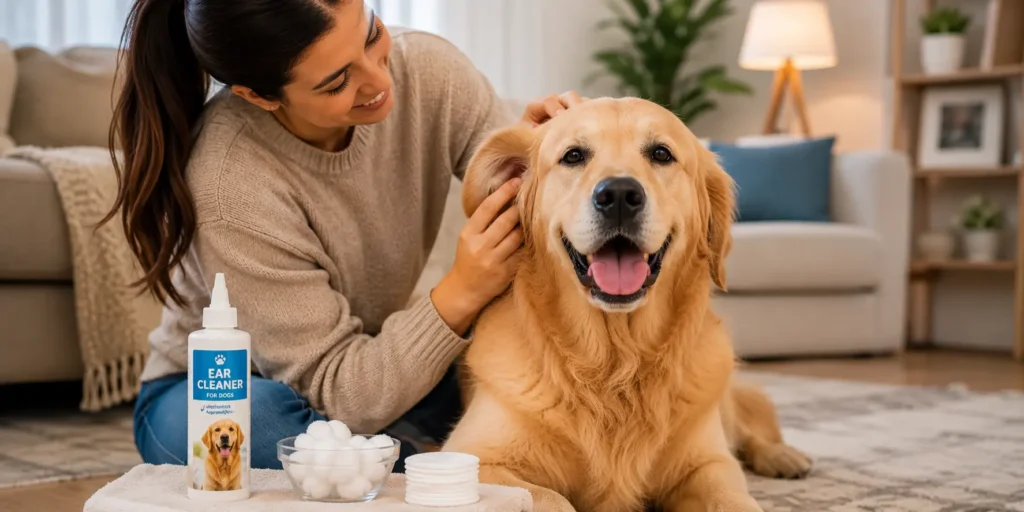
- Cotton balls or soft gauze
- Clean towel
- Dog treats
Avoid mixing household ingredients together unless specifically instructed by your veterinarian.
Could It Be Ear Mites?
Ear mites are tiny parasites that can cause intense irritation, especially in puppies and cats.
Common signs include:
- Severe itching
- Frequent scratching
- Dark debris resembling coffee grounds
- Head shaking
- Redness inside the ears
Ear mites require veterinary diagnosis and treatment. Home remedies alone will not remove them.
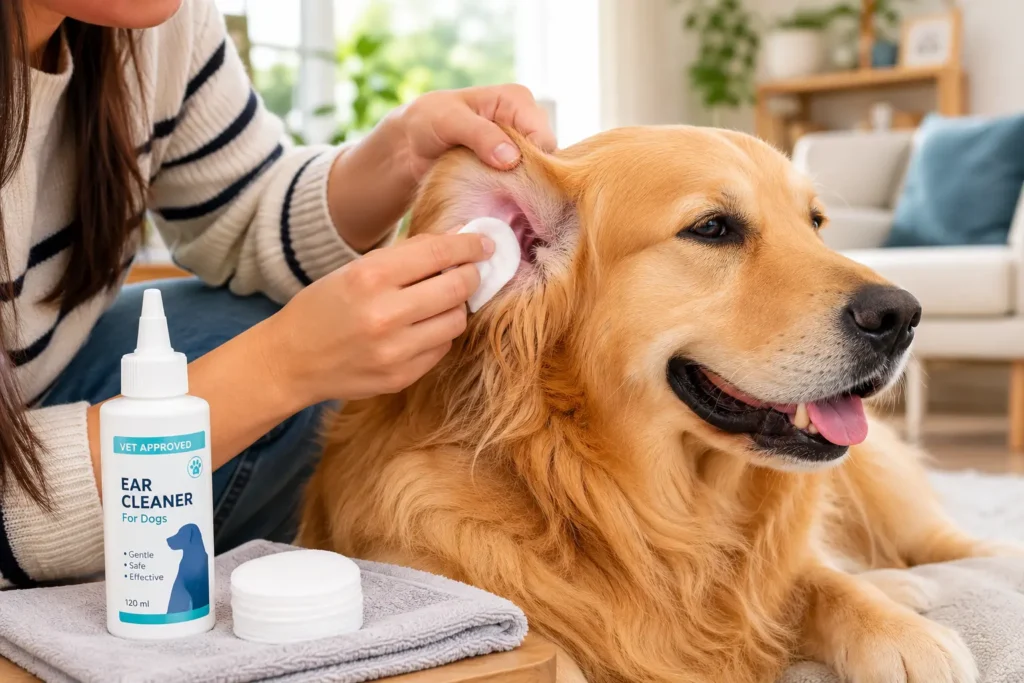
How to Clean Your Dog’s Ears Step by Step
Cleaning your dog’s ears slowly and gently helps reduce stress and lowers the risk of irritation.
What You Need
- Sterile saline solution or veterinarian-approved ear cleaner
- Cotton balls or soft gauze
- Clean towel
- Treats for rewards
Never insert cotton swabs deep inside the ear canal.
Step 1: Inspect the Ears
Healthy ears should be:
- Light pink
- Free from swelling
- Free from strong odor
- Free from thick discharge
If you notice redness, pain, bleeding, swelling, or foul smell, stop and contact your veterinarian.
Step 2: Apply the Ear Cleaner
Lift the ear flap gently.
Place the cleaning solution into the ear opening without pushing the bottle deeply into the canal.
Step 3: Massage the Ear
Massage the base of the ear gently for about 20–30 seconds.
A soft squishing sound is normal and helps loosen debris.
Step 4: Allow Your Dog to Shake
Allow your dog to shake its head naturally.
This helps move loosened wax and dirt toward the outer ear.
Step 5: Wipe Away Debris
Use cotton balls or gauze to wipe only the visible portions of the ear.
Never force anything deep into the canal.
Step 6: Repeat if Necessary
Repeat only if visible debris remains.
Over-cleaning may irritate healthy skin and remove protective natural oils.
Step 7: Reward Your Dog
Praise your dog and offer treats after cleaning.
Positive reinforcement helps dogs become more comfortable with future ear care.
Common Mistakes Dog Owners Make
| Mistake | Why It Is a Problem |
|---|---|
| Using Q-tips deep inside the ear | Pushes wax deeper and may injure the ear |
| Cleaning too frequently | Removes protective wax and irritates skin |
| Using hydrogen peroxide | Irritates healthy tissue |
| Using rubbing alcohol | Dries the ear canal |
| Using essential oils | Some are toxic to dogs |
| Ignoring infection signs | Delays proper treatment |
| Pouring too much oil into the ear | Can trap moisture and debris |
Signs You May Be Cleaning Too Often
Over-cleaning may cause:
- Increased redness
- Dryness
- Irritation
- Sensitivity
- Excess scratching after cleaning
Healthy ears contain natural oils and protective wax. Cleaning too often can disrupt the ear’s normal balance.
How Often Should You Clean Your Dog’s Ears?
One of the biggest mistakes dog owners make is cleaning ears too frequently.
Instead:
- Check the ears weekly
- Clean only when wax, dirt, or moisture buildup appears
- Follow veterinary guidance for dogs with chronic ear problems
When You Should Avoid Cleaning
Do not continue cleaning ears repeatedly if they already appear:
- Red
- Painful
- Swollen
- Heavily irritated
Excess cleaning may worsen inflammation. In these cases, a veterinary examination is safer than repeated home treatment.
Dog Ear Cleaning Schedule
| Dog Type | Check Ears | Clean When Needed |
|---|---|---|
| Healthy indoor dog | Weekly | Every few weeks |
| Outdoor dog | Weekly | As needed |
| Swimming dogs | After swimming | If moisture remains |
| Dogs with floppy ears | Weekly | Every 1–2 weeks if needed |
| Dogs with allergies | Weekly | Based on veterinary advice |
Ear Care for Dogs That Swim
Swimming is healthy exercise, but trapped moisture can increase irritation risk.
After swimming:
- Dry the outer ears gently
- Allow your dog to shake naturally
- Check for trapped moisture
- Clean only if dirt or wax is present
Ear Care During Allergy Season
Allergies often increase itching and wax production.
Helpful habits include:
- Weekly ear checks
- Keeping bedding clean
- Wiping pollen after walks
- Managing allergies with veterinary guidance
Persistent itchy dog ears may be linked to allergies rather than dirt alone.
Can Home Remedies Treat Ear Infections?
No.
Home remedies cannot properly treat most ear infections.
Ear infections may involve:
- Bacteria
- Yeast
- Ear mites
- Allergies
- Foreign objects
- Hormonal problems
Each condition requires different treatment. Delaying proper veterinary care may worsen the infection.
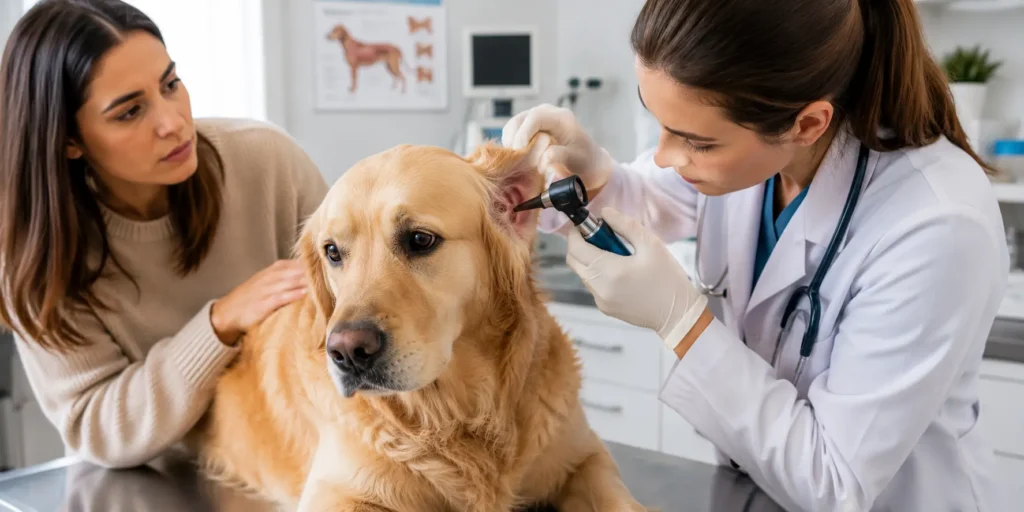
Warning Signs That Require Veterinary Care
Contact your veterinarian if your dog develops:
- Bleeding
- Thick discharge
- Severe swelling
- Strong odor
- Severe pain
- Hearing loss
- Head tilt
- Loss of balance
- Foreign object inside the ear
Routine ear checks may also help reduce expensive veterinary treatments later by identifying problems earlier.
Conclusion
From experience, one of the most common mistakes dog owners make is waiting too long to address early ear problems or using harsh DIY remedies that can make irritation worse. In many cases, a simple routine of checking your dog’s ears regularly, cleaning them gently when needed, and using veterinarian-approved products can help reduce wax buildup and lower the risk of recurring ear issues.
However, it is important to understand that home remedies for cleaning dogs ears are only suitable for healthy ears with mild dirt or wax buildup. If your dog has swelling, pain, a strong odor, thick discharge, bleeding, excessive scratching, or balance problems, home care is not enough. These symptoms often point to an underlying infection or another medical condition that requires prompt veterinary attention. Safe ear care is not about cleaning your dog’s ears as often as possible—it is about knowing when gentle maintenance is appropriate and when professional treatment is the safest option.
FAQs
Can I Clean My Dog’s Ears at Home?
Yes, if the ears are healthy and only mildly dirty. Use sterile saline solution or veterinarian-approved dog ear cleaner products.
What Is the Safest Home Remedy for Cleaning Dogs Ears?
Sterile saline solution is one of the gentlest options for lightly dirty ears, although veterinarian-approved cleaners are usually more effective for long-term maintenance.
Can I Use Olive Oil to Clean My Dog’s Ears?
Sometimes, in very small amounts for dry wax only. Avoid it if infection or yeast problems are suspected.
Is Coconut Oil Safe for Dog Ears?
Sometimes, but only in small amounts and only for healthy ears. It may worsen moisture retention in some dogs.
Can I Use Apple Cider Vinegar in My Dog’s Ears?
Most veterinarians discourage vinegar because it may irritate inflamed skin and increase discomfort.
Should I Use Hydrogen Peroxide to Clean My Dog’s Ears?
No. Hydrogen peroxide may irritate healthy tissue and delay healing.
Can I Use Q-Tips in My Dog’s Ears?
Cotton swabs should never be inserted deep inside the ear canal because they may push debris deeper and injure the ear.
Can I Use Baby Wipes to Clean Dog Ears?
Most baby wipes are not recommended because fragrances and cleaning chemicals may irritate the ear canal.
How Do I Know If My Dog Has an Ear Infection?
Common signs include:
Redness
Swelling
Thick discharge
Strong odor
Pain
Head shaking
Scratching
These symptoms require veterinary evaluation.

Muhammad Muaz
Muhammad Muaz shares practical cleaning, home care, improvement and everyday living guides for Urban Home Guide readers.
Related Home Guides