

How to Start a Home Improvement Business
Starting a home improvement business can be a smart way to build a steady income and long-term financial freedom. However, many people struggle in the beginning. Some contractors have strong…
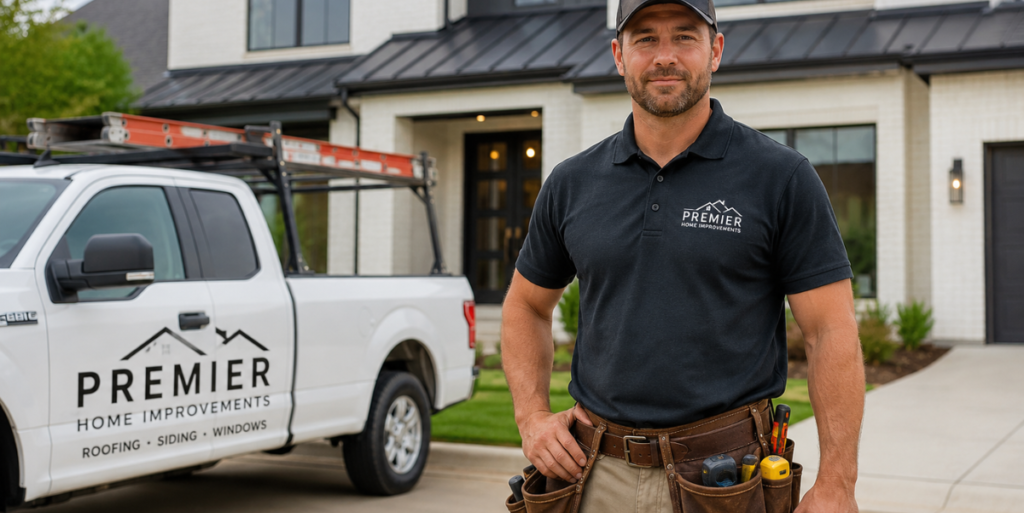
Starting a home improvement business can be a smart way to build a steady income and long-term financial freedom. However, many people struggle in the beginning. Some contractors have strong trade skills but do not know how to get clients. Others feel confused about licenses, pricing, marketing, and business setup. Many new business owners also undercharge for jobs or spend money in the wrong areas. I have seen many skilled workers lose good opportunities because they focused only on the work and ignored the business side.
The truth is simple. Running a successful home improvement business requires more than tools and experience. You need systems, marketing, customer trust, and a long-term growth plan. The home improvement industry keeps growing in the United States as homeowners continue investing in remodeling and repairs. Many people enter this industry to leave a 9-to-5 job, become independent, and build a stable future for their families. One of the biggest mistakes new contractors make is trying to learn everything through trial and error. This guide is designed to help you avoid those mistakes. In this guide, you will learn how to start a home improvement business step by step. You will also learn how to market your company, get clients, manage projects, price jobs correctly, and grow your profits.
Why Now Is a Great Time to Start a Home Improvement Business
The home improvement industry offers strong long-term opportunities for people who want to control their income and build a local brand.
The demand for home improvement services is rising across the United States. Many homeowners now choose to renovate instead of moving to a new house. Older homes also need repairs and upgrades.
Remote work has changed how people use their homes. Families now invest more money in home offices, outdoor spaces, kitchens, and bathrooms.
The industry also offers different business opportunities. You can start as a solo contractor or build a full remodeling company.
Some popular services include:
- Painting
- Flooring
- Roofing
- Kitchen remodeling
- Bathroom renovation
- Handyman services
- Deck installation
- Window replacement
- Drywall repair
- Landscaping
Many home improvement businesses can start with low overhead costs. You can also scale the business over time.
Research the Home Improvement Industry
Before starting your company, study your local market carefully.
You need to understand:
- Local demand
- Competition
- Pricing trends
- Customer needs
- Popular services
Look at businesses in your city. Study their websites, reviews, and pricing.
Pay attention to:
- Services they offer
- Their Google reviews
- Social media activity
- Service areas
- Customer complaints
This research helps you find gaps in the market.
You should also study:
- Building permit activity
- Average home age
- Neighborhood income levels
- New housing developments
- Local population growth
Older homes often create higher demand for remodeling and repair services.
For example, your city may have many painters but few bathroom remodelers. That could become your opportunity.
Understand the Industry Landscape
The home improvement industry includes many types of businesses.
Some companies focus on small repairs. Others handle large renovation projects.
Common niches include:
| Niche | Startup Cost | Profit Potential | Difficulty |
| Painting | Low | High | Easy |
| Handyman Services | Low | Medium | Easy |
| Flooring | Medium | High | Medium |
| Roofing | High | Very High | Hard |
| Kitchen Remodeling | High | Very High | Hard |
| Bathroom Remodeling | Medium | High | Medium |
Choose a niche that matches your skills, budget, and goals.
If you are a beginner, painting and handyman services are often easier and cheaper to start. Larger remodeling projects usually require more experience, equipment, and workers.

Conduct Market Research
Market research helps you understand your ideal customers.
Start by asking these questions:
- What services are in demand?
- What do customers complain about?
- Which neighborhoods need remodeling work?
- What prices do competitors charge?
- What services are missing?
You can also use:
- Google Trends
- Facebook groups
- Reddit communities
- Yelp reviews
- Google Business Profiles
This information helps you create a stronger business strategy.
Have a Vision for Growth
Many contractors focus only on daily jobs. Smart business owners think long term.
Ask yourself:
- Do you want to stay solo?
- Will you hire workers later?
- Do you want commercial projects?
- Will you expand into multiple cities?
- What income goal do you want?
A clear vision helps you make better business decisions.
Create a Business Plan
A business plan gives your company direction.
It also helps if you want funding from a bank or investor.
Your business plan should include:
- Business name
- Services offered
- Target market
- Pricing strategy
- Marketing plan
- Startup costs
- Revenue goals
- Equipment list
- Growth strategy
Example Startup Costs
| Expense | Estimated Cost |
| LLC Registration | $50–$500 |
| Contractor License | Varies by state |
| Insurance | $500–$3,000 |
| Website | $300–$2,000 |
| Tools & Equipment | $2,000–$20,000 |
| Marketing | $200–$2,000/month |
| Vehicle | Varies |
Startup costs depend on your location, services, equipment needs, and business size.
A strong business plan keeps your company organized.
It also helps reduce stress because you know exactly how your business will operate and grow.
Choose a Business Structure
You must choose a legal structure for your business.
The most common options include:
Sole Proprietorship
This is the easiest option. However, it offers little personal protection.
LLC
Many contractors choose an LLC because it protects personal assets.
Corporation
This option works best for larger companies.
Most small home improvement businesses start as an LLC.
Talk with an accountant or attorney before making your decision.
Register Your Business
After choosing your structure, register your business legally.
You may need:
- Business registration
- EIN number
- State registration
- Local permits
- Sales tax permit
Requirements vary by state.
Choose a business name that is:
- Easy to remember
- Professional
- Simple to spell
- Related to your services
Try to get a matching website domain name.
Obtain Business Licenses and Permits
Many states require contractor licenses.
Licensing rules vary across the United States. Some states regulate contractors at the state level, while others use county or city licensing systems.
Some cities also require permits and certifications.
Common requirements include:
- General contractor license
- Home improvement contractor license
- Building permits
- Safety certifications
- Bonding requirements
Always check your local laws.
Working without licenses can lead to fines and legal problems.
Secure Funding
Starting a home improvement business may require upfront money.
You may need funds for:
- Tools
- Vehicles
- Insurance
- Marketing
- Payroll
- Materials
Common funding options include:
- Personal savings
- Small business loans
- Business credit cards
- Equipment financing
- Investors
Start small if your budget is limited.
Many successful contractors began with basic tools and one service.
Starting small can lower risk and help you learn the business step by step.
Purchase Insurance
Insurance protects your business from financial risk.
Most contractors need:
General Liability Insurance
This covers property damage and accidents.
Workers’ Compensation Insurance
This protects employees who get injured.
Commercial Auto Insurance
This covers work vehicles.
Tools and Equipment Coverage
This protects expensive tools.
Insurance also helps build trust with clients.
Buy Equipment and Supplies
Your tools affect the quality of your work.
Buy reliable equipment that matches your services.
Basic contractor tools may include:
- Power drills
- Saws
- Ladders
- Safety equipment
- Tool storage
- Measuring tools
- Air compressors
- Work vehicle
Do not overspend in the beginning.
Upgrade your equipment as your business grows.
Invest in Your Skills and People
The best contractors continue learning.
Customers expect quality work and professional service.
Improve your:
- Technical skills
- Communication
- Project management
- Sales process
- Customer service
You can also take:
- Contractor training
- Safety classes
- Business courses
- Marketing workshops
Hire Skilled Staff
As your workload increases, you may need workers.
Hire people who are:
- Reliable
- Skilled
- Professional
- Honest
- Good with customers
A strong team improves your reputation.
Hire Employees
Create clear systems before hiring workers.
Train employees properly.
Use written processes for:
- Scheduling
- Safety
- Customer communication
- Job estimates
- Project updates
Good systems reduce mistakes.
They also help your business grow faster when you start hiring more workers or subcontractors.
Build Your Brand
Your brand helps customers remember your company.
A professional brand builds trust.
Your branding should include:
- Business logo
- Company colors
- Website
- Uniforms
- Truck graphics
- Business cards
Keep your branding simple and professional.
Develop an Online Presence
Most homeowners search online before hiring contractors.
Your online presence matters.
Create:
- Professional website
- Google Business Profile
- Facebook page
- Instagram account
- Yelp profile
Your website should be mobile-friendly because many homeowners search for contractors on their phones.
Your website should include:
- Services
- Service areas
- Reviews
- Before-and-after photos
- Contact information
- Quote request form

Local SEO for Contractors
Local SEO helps your business appear in Google searches.
Focus on:
- Google reviews
- City service pages
- Local keywords
- Fast website speed
- Mobile-friendly design
- Updated business information
- Consistent NAP information across directories
NAP stands for Name, Address, and Phone Number. Your business details should match across Google, Yelp, Facebook, and local directories.
Examples of local keywords include:
- Kitchen remodeling in Dallas
- Bathroom renovation near me
- Roofing contractor in Miami
Local SEO can bring free leads every month.
Many successful contractors rely on Google searches to generate consistent leads without spending heavily on ads.
Build a Rock-Solid Marketing Presence
Marketing helps you attract new clients.
Many contractors struggle because they depend only on referrals.
Use multiple marketing channels.
Effective Marketing Strategies
- Google Business Profile
- Facebook Ads
- Instagram Reels
- TikTok videos
- Yard signs
- Referral programs
- Angi
- Thumbtack
- Nextdoor
- Email marketing
- SEO content
- YouTube Shorts
- Local partnerships
Show before-and-after photos of your work.
Visual content builds trust fast.
Homeowners often choose contractors based on before-and-after photos and customer reviews.
Invest in Marketing
Marketing should become part of your monthly budget.
Track your results carefully.
Pay attention to:
- Cost per lead
- Website traffic
- Conversion rate
- Phone calls
- Online reviews
Focus more on the channels that generate the best leads.
Use Technology to Accelerate Growth
Technology makes your business more organized.
Many successful contractors use software for:
- Scheduling
- Estimates
- Invoicing
- Customer management
- Team communication
- Project tracking
Popular Contractor Software
| Software | Main Purpose |
| Jobber | Scheduling and invoicing |
| Housecall Pro | Field service management |
| Buildertrend | Remodeling project management |
| CompanyCam | Photo documentation |
| QuickBooks | Accounting |
| Joist | Estimates and invoices |
| Contractor Foreman | Project management |
Technology saves time and reduces mistakes.
It also helps small businesses compete with larger remodeling companies.
Strengthen Industry Relationships
Relationships help your business grow faster.
Build connections with:
- Suppliers
- Realtors
- Interior designers
- Property managers
- Subcontractors
- Local businesses
Strong partnerships can bring repeat referrals.
Estimate and Price Projects Right
Pricing mistakes can hurt profits.
Many new contractors undercharge.
Your pricing should include:
- Labor costs
- Material costs
- Travel expenses
- Insurance costs
- Overhead
- Profit margin
Common Pricing Models
Hourly Pricing
Best for small jobs and repairs.
Fixed Pricing
Best for remodeling projects.
Cost-Plus Pricing
You charge materials plus profit margin.
Track all job costs carefully.
Many new contractors fail because they underprice jobs and forget to include overhead expenses.
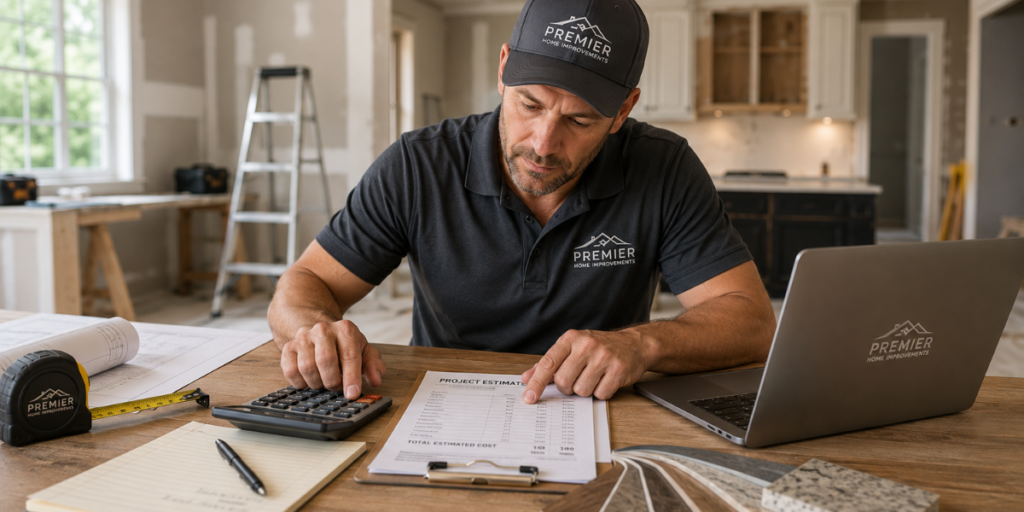
For example, if labor and materials cost $4,000 and you want a 20% profit margin, you would charge around $4,800 for the project.
Manage Cash Flow Proactively
Cash flow problems can destroy a business.
Even profitable companies can fail if cash runs out.
Use these tips:
- Request deposits upfront
- Send invoices quickly
- Track expenses weekly
- Avoid unnecessary debt
- Build an emergency fund
Manage Finances
Use accounting software to organize:
- Income
- Expenses
- Payroll
- Taxes
- Profit reports
Hire an accountant if needed.
Good financial management helps your business stay stable.
Strong cash flow also gives you confidence when investing in marketing, equipment, and employees.
Deliver Excellent Customer Service
Customer service affects your reputation.
Happy customers leave reviews and referrals.
Simple habits make a big difference.
Always:
- Show up on time
- Communicate clearly
- Keep promises
- Respect the customer’s home
- Clean the work area
- Solve problems quickly
Deliver Amazing Customer Service
Strong communication builds trust.
Update clients during every stage of the project.
Customers want:
- Clear timelines
- Honest pricing
- Fast responses
- Professional behavior
Great service helps you stand out from competitors.
Happy customers can become a powerful source of repeat business and referrals.
Take Smart Risks
Growth requires smart decisions.
Some risks can help your business expand.
Examples include:
- Hiring employees
- Expanding services
- Buying better equipment
- Investing in marketing
- Entering new markets
Study risks carefully before making large investments.
Common Mistakes to Avoid When Growing
Many contractors make avoidable mistakes.
Common problems include:
- Underpricing jobs
- Poor scheduling
- Weak communication
- No written contracts
- Ignoring reviews
- Hiring too fast
- Bad bookkeeping
- No marketing strategy
Learn from these mistakes early.
Avoiding these problems can save thousands of dollars and protect your reputation.
Quick Start Checklist for New Home Improvement Businesses
Use this checklist before launching your business.
Startup Checklist
- Choose your niche
- Research competitors
- Create a business plan
- Register your business
- Get licenses and permits
- Purchase insurance
- Buy equipment
- Build a website
- Create Google Business Profile
- Set up marketing channels
- Create contracts and estimates
- Track finances
A checklist keeps your launch organized.
How to Get Your First Clients
Getting your first clients is one of the hardest parts of starting a business.
Use these strategies:
Google Business Profile
Optimize your profile with:
- Service categories
- Photos
- Reviews
- Service areas
- Business description
Facebook Groups
Join local community groups.
Answer questions and share helpful advice.
Referral Programs
Offer rewards for referrals.
Happy customers often know other homeowners.
Ask for Google Reviews
Ask customers for reviews after completing every project.
Positive reviews improve trust and help your business rank higher in local Google searches.
Before-and-After Content
Post project photos and videos online.
Visual proof builds trust.
Realtor Partnerships
Real estate agents often need contractors.
Build relationships with local agents.
Local SEO
Target local keywords on your website.
This helps homeowners find your services online.
How Much Can You Make?
One reason many people start a home improvement business is the opportunity to increase their income over time.
Income depends on:
- Your niche
- Location
- Skill level
- Marketing
- Team size
Solo contractors may earn between $50,000 and $120,000 per year.
Larger remodeling companies can generate much higher revenue.
Profit margins often range between 10% and 25%.
Specialized services usually have higher profit potential.
Monitor and Adapt
The home improvement industry changes often.
Customer trends, technology, and marketing strategies continue evolving.
Track your business performance regularly.
Review:
- Customer feedback
- Lead sources
- Profit margins
- Website traffic
- Advertising results
Adapt your strategy when needed.
Businesses that improve continuously stay competitive.
Contractors who adapt to new technology and customer expectations often grow faster than competitors.
Final Thoughts: Build for the Long Haul
Starting a home improvement business takes hard work, patience, and consistency. Many contractors enter the industry believing that good work alone will guarantee success. In reality, the businesses that grow long term usually focus on customer service, communication, marketing, systems, and financial management. I have seen small contractors grow into trusted local brands simply by staying professional, improving their processes, and building strong relationships with customers over time. The most successful business owners usually show up on time, communicate clearly, price jobs correctly, ask for reviews, and continue learning as the industry changes.
Do not worry about becoming a large company immediately. Many successful remodeling businesses started with one truck, basic tools, and a few local clients. Focus on delivering quality work, building trust, and improving your business step by step. Over time, your reputation and systems can help you create a profitable and lasting company. The home improvement industry still offers strong long-term opportunities for motivated business owners who stay consistent and customer-focused.

Frequently Asked Questions
Is a home improvement business profitable?
Yes. Many home improvement businesses earn strong profit margins, especially in remodeling and specialty services.
Do I need a contractor license?
Many states require contractor licenses. Check your local regulations before starting.
How much does it cost to start a home improvement business?
Startup costs vary. Small handyman businesses may start with a few thousand dollars, while remodeling companies may require much larger investments.
What is the easiest home improvement business to start?
Painting and handyman services usually have lower startup costs and fewer equipment requirements.
How do contractors get clients?
Contractors often use referrals, Google Business Profiles, local SEO, social media, and online advertising.
How to Start a Home Improvement Business With No Experience
You can start by learning basic skills, working with experienced contractors, taking training courses, and beginning with smaller projects.
Can I start with no experience?
Yes, but gaining hands-on training and learning industry skills first is highly recommended.
What insurance do contractors need?
Most contractors need general liability insurance, workers’ compensation coverage, and commercial auto insurance.
How can I grow my home improvement business?
Focus on customer service, marketing, local SEO, referrals, and efficient business systems.

Muhammad Muaz
Muhammad Muaz shares practical cleaning, home care, improvement and everyday living guides for Urban Home Guide readers.
Related Home Guides