
Green Home Improvements: Smart Ways to Save Energy and Money
Rising energy bills, drafty rooms, poor insulation, and outdated home systems are common problems for homeowners today. During summer, many homes become uncomfortably hot, while winter heating costs continue to…
Rising energy bills, drafty rooms, poor insulation, and outdated home systems are common problems for homeowners today. During summer, many homes become uncomfortably hot, while winter heating costs continue to rise every year. At the same time, families want healthier indoor spaces, better air quality, and lower monthly expenses.
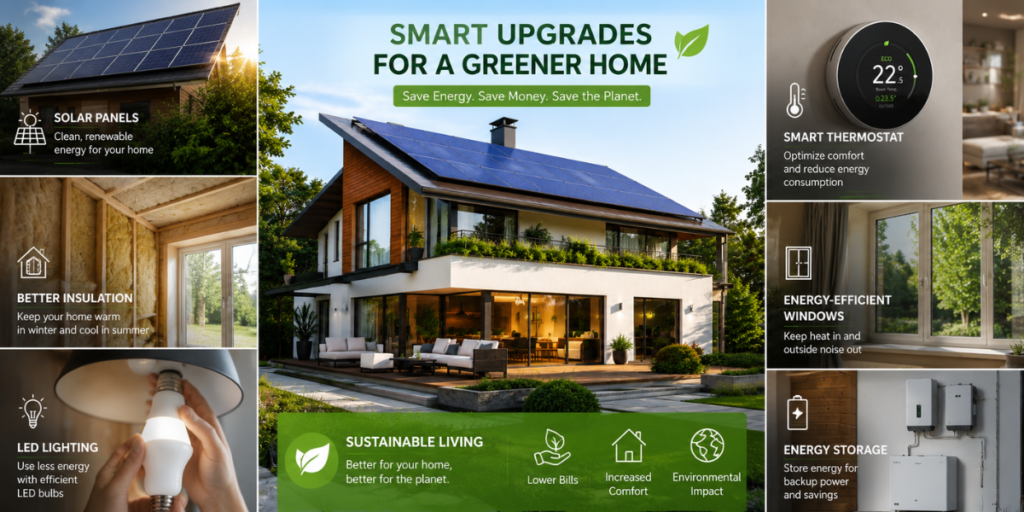
This is why green home improvements have become one of the smartest ways to create a more comfortable, energy-efficient home. Simple upgrades like LED lighting, smart thermostats, and air sealing can reduce energy waste faster than many homeowners expect.
One important lesson many homeowners learn during renovation projects is that expensive upgrades are not always the best place to start. In older homes, hidden air leaks, poor insulation, and inefficient HVAC systems are often the biggest reasons behind high utility bills. Fixing these problems first usually delivers faster and more affordable results.
Green home improvements are not only about helping the environment. They can also lower monthly costs, improve comfort, increase property value, and create healthier living spaces. Whether you are planning a full renovation or small DIY upgrades, even simple changes can make a noticeable difference over time.
What Is a Green Home?
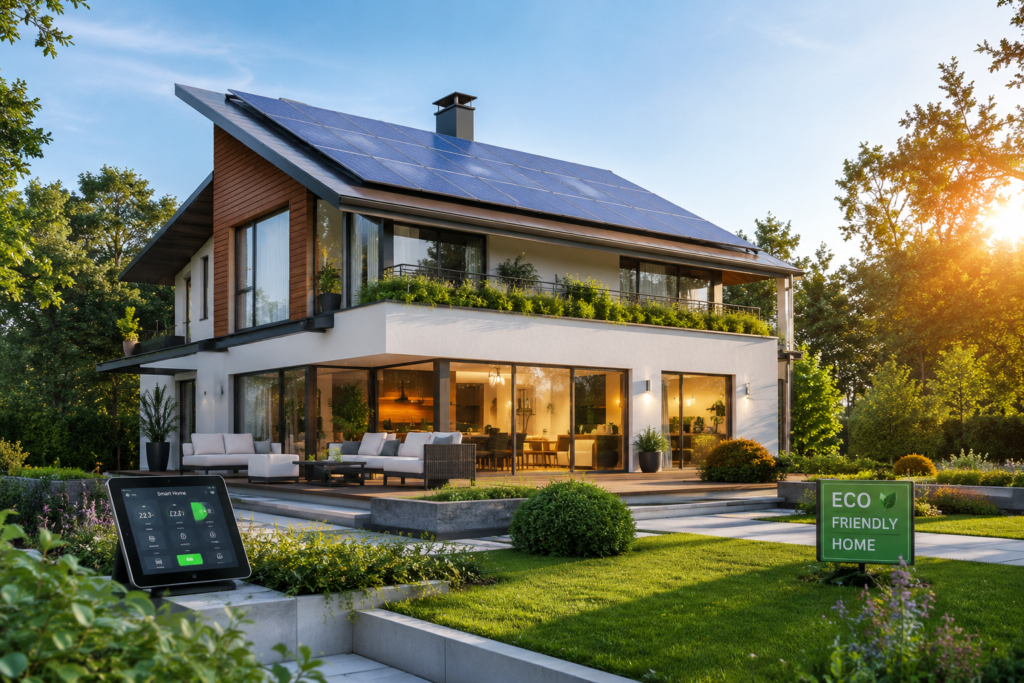
A green home is designed to use less energy, water, and natural resources while creating a healthier indoor environment. These homes focus on energy efficiency, sustainable materials, improved insulation, and lower environmental impact.
Common features of green homes include:
- Solar panels
- Smart thermostats
- Energy-efficient windows
- Proper insulation
- Water-saving fixtures
- Sustainable building materials
- Smart home systems
Modern green homes often combine energy-efficient technology with practical upgrades that improve both comfort and long-term savings.
Benefits of Green Home Improvements
Green home upgrades provide both financial and lifestyle benefits.
Key Benefits
- Lower utility bills
- Better indoor comfort
- Healthier indoor air quality
- Reduced energy waste
- Increased home value
- Smaller carbon footprint
According to energy experts, energy-efficient homes can use significantly less energy than older homes with outdated systems. As a result, homeowners may save money every month while improving long-term property value.
Start With a Home Energy Audit
Before making major upgrades, homeowners should start with a home energy audit. This process identifies areas where energy is being wasted.
A professional energy audit may include:
- Blower door testing
- Thermal imaging
- Insulation inspection
- HVAC system checks
- Air leak detection
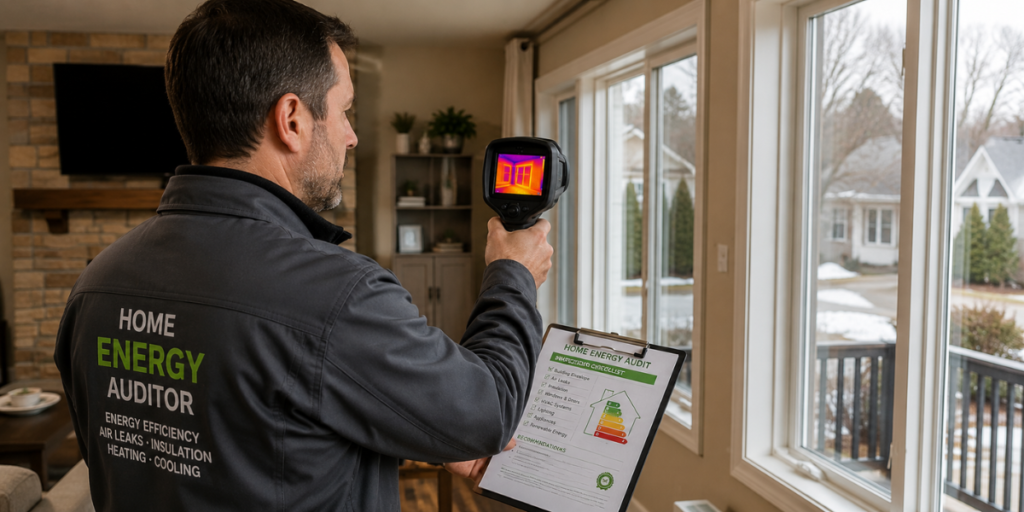
Many homeowners are surprised to discover that small air leaks around windows, attics, and doors can waste a large amount of energy every year. An energy audit helps prioritize upgrades that provide the best return on investment.
Best Green Home Improvements by Budget
Budget-Friendly Upgrades Under $100
These affordable upgrades are ideal for renters, DIY beginners, and homeowners who want fast results.
- LED bulbs
- Weather stripping
- Draft stoppers
- Smart plugs
- Faucet aerators
- Low-flow showerheads
Switching to LED lighting alone can noticeably reduce electricity use because LEDs consume far less energy and last much longer than traditional bulbs.
Mid-Range Upgrades Under $1,000
These projects balance affordability with stronger long-term savings.
- Smart thermostats
- Ceiling fans
- Attic insulation
- ENERGY STAR appliances
- Air sealing improvements
For many middle-class homeowners, these upgrades provide one of the best combinations of comfort and energy savings.
High-Investment Green Upgrades
Some homeowners prefer long-term upgrades that offer larger energy savings over time.
Popular options include:
- Solar panels
- Heat pumps
- Energy-efficient windows
- Tankless water heaters
- Geothermal systems
Although these upgrades cost more upfront, they can significantly reduce utility bills for many years.
Solar Panels and Renewable Energy
Solar panels are one of the most popular green home improvements today. They use sunlight to generate electricity, helping homeowners reduce dependence on traditional energy sources.
Benefits of Solar Panels
- Lower electricity bills
- Clean renewable energy
- Increased home value
- Reduced carbon emissions
- Better energy independence
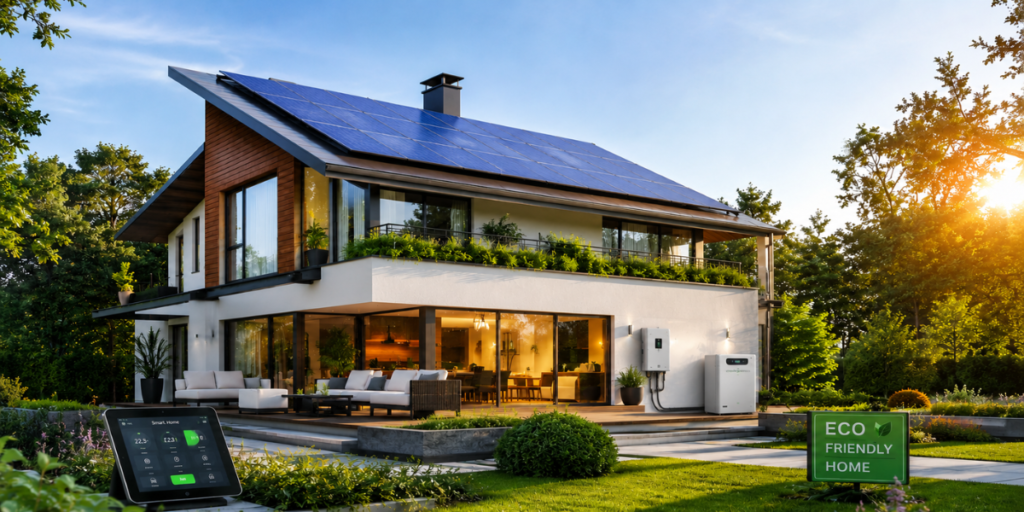
In many areas, homeowners may also qualify for tax credits, rebates, or local incentives that help reduce installation costs.
Battery storage systems can store excess solar energy for later use, which is especially helpful during power outages or peak electricity hours.
Energy-Efficient Windows
Older windows often allow heat to escape during winter and let hot air enter during summer. Energy-efficient windows improve insulation and help maintain stable indoor temperatures.
Double-pane and triple-pane windows are among the most effective options.
Benefits
- Lower heating and cooling costs
- Better indoor comfort
- Reduced outside noise
- Improved energy efficiency
ENERGY STAR certified windows usually provide the best performance for homeowners looking to reduce energy loss.
Proper Insulation
Proper insulation is one of the most cost-effective ways to improve energy efficiency. Many homes lose energy through walls, attics, crawl spaces, and floors.
Good insulation helps keep warm air inside during winter and outside during summer.
Common Insulation Materials
- Fiberglass insulation
- Spray foam insulation
- Cellulose insulation
- Recycled insulation products
Attic insulation often provides one of the fastest returns on investment. However, homes also need proper ventilation because over-sealing can trap moisture and reduce indoor air quality.
Air Sealing
Air sealing helps stop drafts and energy leaks around the home. Even small gaps around windows and doors can waste large amounts of energy.
Common Air Sealing Methods
- Weather stripping
- Caulking
- Door sweeps
- Sealing attic leaks
Air sealing works best when combined with proper insulation.
Smart Thermostats
Smart thermostats help homeowners control heating and cooling systems more efficiently. Many modern systems learn daily schedules and adjust temperatures automatically.
Benefits
- Lower energy bills
- Better temperature control
- Reduced HVAC costs
- Remote mobile access
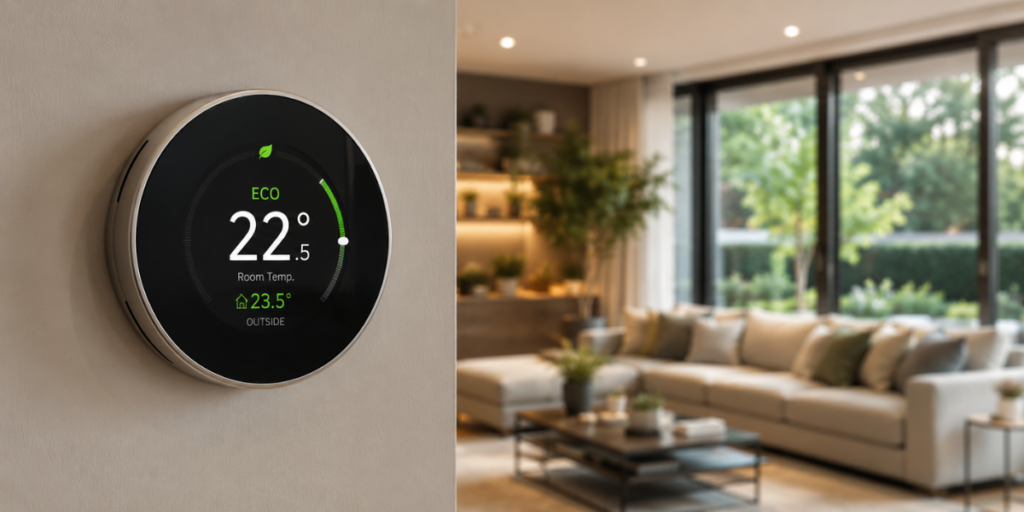
For busy households, smart thermostats provide both convenience and energy savings.
LED Lighting
LED lighting uses far less energy than traditional incandescent bulbs and lasts significantly longer.
Benefits of LED Bulbs
- Lower electricity bills
- Longer lifespan
- Less maintenance
- Reduced heat production
Switching to LED bulbs is one of the easiest and fastest eco-friendly upgrades homeowners can make.
ENERGY STAR Appliances
ENERGY STAR appliances meet strict energy-efficiency standards. These products use less electricity and water compared to standard appliances.
Popular ENERGY STAR Products
- Refrigerators
- Dishwashers
- Washing machines
- Dryers
- Air conditioners
Replacing outdated appliances can reduce household energy consumption every year.
HVAC System Upgrades
Heating and cooling systems use a large portion of household energy. Upgrading HVAC systems can improve efficiency while lowering monthly costs.
Modern HVAC Improvements
- Variable-speed systems
- Smart HVAC zoning
- High-efficiency furnaces
- Advanced air filtration systems
Regular maintenance also helps HVAC systems run more efficiently and last longer.
Heat Pumps
Heat pumps are becoming one of the most popular energy-efficient home upgrades in the United States. These systems provide both heating and cooling while using less energy than many traditional systems.
Benefits of Heat Pumps
- Lower utility bills
- Reduced carbon emissions
- High energy efficiency
- Year-round comfort
Many homeowners may also qualify for rebates or tax incentives when installing heat pumps.
Tankless Water Heaters
Tankless water heaters heat water only when needed instead of storing hot water continuously.
Benefits
- Better energy efficiency
- Lower utility costs
- Compact equipment size
- Longer lifespan
These systems are especially popular in modern energy-efficient homes.
Water Conservation Upgrades
Water conservation is an important part of sustainable living. Small upgrades can reduce water waste while lowering utility bills.
Popular Water-Saving Upgrades
- Low-flow toilets
- Water-saving showerheads
- Efficient faucets
- Smart irrigation systems
- Rain barrels
These upgrades are especially useful in areas affected by drought or water shortages.
Sustainable Building Materials
Sustainable materials reduce environmental impact during remodeling projects. Many eco-friendly materials are durable, attractive, and long-lasting.
Popular Sustainable Materials
- Bamboo flooring
- Cork flooring
- Reclaimed wood
- Recycled steel
- Recycled countertops
Using reclaimed materials can also reduce construction waste and lower demand for new raw materials.
Indoor Air Quality
Indoor air quality plays a major role in creating a healthy home. Poor air quality can increase allergies, respiratory problems, and moisture issues.
Ways to Improve Indoor Air Quality
- Use low-VOC paints
- Improve ventilation
- Install air filtration systems
- Control indoor moisture
- Replace HVAC filters regularly
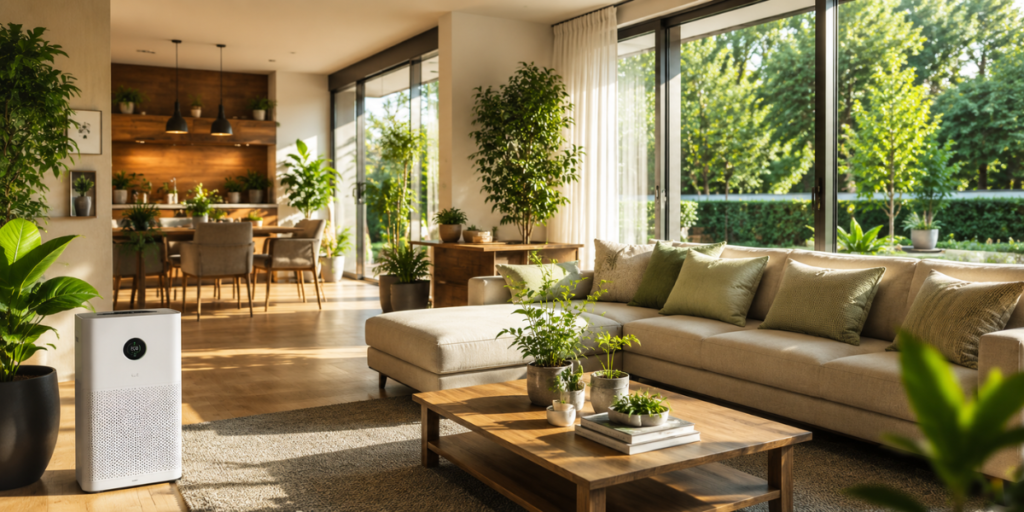
Low-VOC paints and non-toxic materials help create safer and healthier living spaces.
Eco-Friendly Landscaping
Sustainable landscaping reduces water use while improving outdoor appearance and environmental sustainability.
Popular Landscaping Ideas
- Native plants
- Mulching
- Drip irrigation
- Composting
- Shade trees
Native plants are especially useful because they often require less water, fertilizer, and maintenance.
Composting is another simple eco-friendly habit that turns food scraps and yard waste into nutrient-rich soil.
Smart Home Systems
Smart home systems help homeowners monitor and control energy use more efficiently.
Popular Smart Upgrades
- Smart lighting
- Occupancy sensors
- Smart irrigation systems
- Energy monitoring devices
These systems improve convenience while helping reduce unnecessary energy waste.
Tips for Renters
Renters can still make eco-friendly improvements without major renovations.
Easy Upgrades for Renters
- LED bulbs
- Smart plugs
- Draft stoppers
- Indoor plants
- Water-saving showerheads
Even small changes can reduce energy use and improve indoor comfort.
Common Green Home Improvement Mistakes
Some homeowners make mistakes that reduce energy savings or increase long-term costs.
Common Mistakes to Avoid
- Ignoring air leaks
- Buying low-quality windows
- Oversizing HVAC systems
- Skipping maintenance
- Using poor insulation materials
Planning carefully and prioritizing the biggest energy problems first can help homeowners avoid expensive mistakes later.
Conclusion
Green home improvements are one of the smartest long-term investments homeowners can make because they improve comfort, reduce utility bills, and create healthier living spaces.
Many homeowners discover that small upgrades like sealing air leaks, switching to LED bulbs, and improving insulation often create noticeable savings surprisingly quickly. Larger upgrades such as solar panels, heat pumps, and energy-efficient windows can provide even greater long-term value while increasing property value and reducing environmental impact.
The best approach is to start step by step. A home energy audit can help identify the biggest problem areas before spending money on major renovations. Over time, even simple eco-friendly upgrades can transform a home into a more comfortable, efficient, and future-ready living space.
FAQ
What are the best green home improvements for saving energy?
The best green home improvements for saving energy include solar panels, proper insulation, smart thermostats, ENERGY STAR appliances, and energy-efficient windows.
Do green home improvements increase home value?
Yes. Many buyers prefer homes with lower energy costs and modern energy-efficient systems, which can increase property value.
What is the cheapest eco-friendly home upgrade?
Switching to LED lighting is one of the cheapest and easiest eco-friendly upgrades. Weather stripping and smart plugs are also affordable options.
Are solar panels worth it for homeowners?
Solar panels can provide long-term savings by reducing electricity bills. Many homeowners may also qualify for rebates and tax incentives.
What are ENERGY STAR appliances?
ENERGY STAR appliances meet energy-efficiency standards set by the U.S. Environmental Protection Agency. These products use less electricity and water than standard appliances.
How can I make my home more eco-friendly on a budget?
You can improve home sustainability by using LED bulbs, sealing air leaks, improving insulation, installing low-flow fixtures, and using smart thermostats.

Muhammad Muaz
Muhammad Muaz shares practical cleaning, home care, improvement and everyday living guides for Urban Home Guide readers.
Related Home Guides