- Your cart is empty Browse Shop
Furniture
How Long Should Paint Dry Before Putting Furniture Back?
Wondering how long should paint dry before putting furniture back? The answer depends on where the furniture will go. You can often return furniture to a room before the paint…

Wondering how long should paint dry before putting furniture back? The answer depends on where the furniture will go. You can often return furniture to a room before the paint fully cures. But pushing a sofa or dresser against a freshly painted wall requires more patience.
Quick answer: Wait 24–48 hours before bringing freestanding furniture back into a freshly painted room, and 7–10 days before pushing anything against the walls.
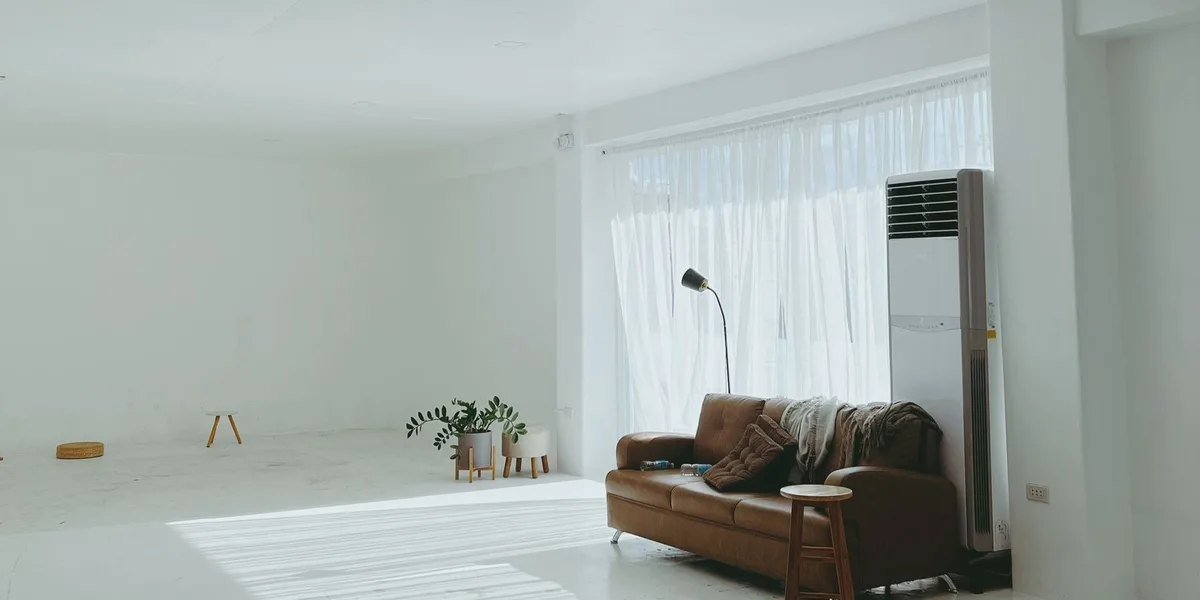
The difference matters because paint can feel dry while remaining soft underneath. Moving furniture too soon can leave marks, cause sticking, or damage the finish. Fortunately, you don’t have to keep your entire room empty until the paint fully cures.
Here’s how to decide when your furniture can safely return.
When can furniture go back in the room?
For most interior painting situations, wait 24–48 hours before returning freestanding furniture. The exact timing depends on the paint product and room conditions.
Benjamin Moore’s care guide for freshly painted walls says a room can be used lightly after 24 hours. Painting contractors generally recommend waiting 24–48 hours before bringing freestanding furniture back, and 7–10 days before it touches the walls.
These recommendations don’t mean you should immediately push everything against the walls. Instead, return furniture carefully and leave space between each piece and the fresh paint.
Understanding the different paint stages
Before moving furniture, understand two terms that often cause confusion.
Dry to the touch: The paint surface no longer feels wet. The coating underneath may still be soft, though.
Fully cured: The paint has hardened enough to develop its intended durability. This stage takes considerably longer than initial drying.
The distinction explains why a freshly painted wall can look finished but still suffer damage.
For many latex paints, full curing takes 2–3 weeks, according to Sherwin-Williams. Benjamin Moore puts full cure for walls at about 30 days. So don’t confuse a dry surface with a fully hardened finish.
How different paint types affect waiting time
Not every paint follows the same drying schedule. Sherwin-Williams publishes these figures for common paint types:
Latex (water-based) paint: The most common choice for interior walls. It is typically dry to the touch in 1–2 hours and fully cures in 2–3 weeks.
Acrylic paint: Sherwin-Williams lists acrylic separately at the same figures as latex — dry in 1–2 hours, fully cured in 2–3 weeks.
Oil-based (alkyd) paint: Dries more slowly, typically 6–8 hours to the touch, and cures in about 5–15 days, according to Sherwin-Williams. That means oil-based paint is slower to dry to the touch, but its full cure can actually be shorter than latex paint’s 2–3 weeks.
These are generic figures. Exact times vary by product and sheen — check the label on your can.
The recoat time, touch-dry time, and full-cure time on the label serve different purposes, so check them before making decisions.
A safe furniture-return timeline for different surfaces
The safest approach is to consider where the furniture will sit. A dresser standing away from a wall presents a different situation from a sofa pressed directly against fresh paint.
Here is a practical comparison based on manufacturer and painting guidance.
When furniture can return
| Situation | Suggested waiting period |
|---|---|
| Light use of a newly painted room | After 24 hours |
| Returning freestanding furniture | 24–48 hours |
| Furniture touching newly painted walls | 7–10 days |
| Rust-Oleum HOME painted floors | 72 hours before replacing furniture |
Full cure times
| Paint type | Full cure |
|---|---|
| Latex and acrylic (Sherwin-Williams) | 2–3 weeks |
| Interior walls (Benjamin Moore) | About 30 days |
These are reference periods, not universal guarantees. Always follow the instructions for your specific paint or floor coating.
Returning beds, sofas, and dressers
Freestanding furniture can usually return before the walls are ready for direct contact.
You can position a bed, sofa, or dresser away from the newly painted surface. Avoid pushing large pieces tightly against the wall.
Consider how you move each item.
- Lift furniture instead of dragging it across surfaces.
- Keep furniture legs from scraping newly painted floors.
- Use suitable felt pads to protect furniture and floor surfaces.
- Leave a visible gap between furniture and newly painted walls.
- Avoid placing items where they might accidentally lean against newly painted walls.
These small precautions help protect the finish while allowing you to restore the room.
When can furniture touch newly painted walls?
This is where extra patience becomes useful.
Benjamin Moore recommends avoiding furniture contact with freshly painted walls for 7–10 days. Waiting a full 14 days is a more cautious choice in cool or humid conditions — it is not a separate manufacturer recommendation.
Why wait so long?
Fresh paint can remain vulnerable to pressure even after the surface feels dry. Heavy furniture pressing against the wall increases the chance of paint sticking or transferring.
Keep furniture slightly away from the wall until the coating has developed more strength.
What about painted floors?
Painted floors need separate instructions because furniture sits directly on the coating.
Rust-Oleum HOME recommends waiting 72 hours before replacing furniture, and avoiding dragging. Its floor coating also needs approximately seven days for full curing. Light foot traffic is allowed after 24 hours.
These figures apply to that specific floor-coating system. They shouldn’t be treated as universal recommendations for every floor paint.
Before replacing furniture, check the product instructions. Avoid dragging heavy pieces across the new finish.
Why furniture can stick to a freshly painted wall
Have you ever noticed how two painted surfaces can stick together when pressed against each other?
This problem is known as paint blocking.
It happens when painted surfaces adhere to each other before the coating has sufficiently hardened.
Furniture creates a particular risk because large pieces can remain pressed against walls for extended periods.
A sofa pushed tightly against a freshly painted wall may stick to the surface. When you eventually move it, paint can transfer or peel away.
The same concern applies to furniture placed against painted cabinets or other surfaces.
How to prevent paint blocking
A few precautions can reduce the risk:
- Keep furniture away from direct wall contact during early curing.
- Avoid leaning large objects against newly painted surfaces.
- Follow the paint manufacturer’s curing instructions.
Most importantly, don’t use furniture contact as a test to determine whether paint has cured. A surface can look ready while remaining vulnerable underneath.
What factors affect paint drying times?
Two rooms painted with the same product may not dry at exactly the same speed.
Temperature, humidity, ventilation, and painting technique all influence drying conditions. So consider your room before relying on a general timeline.
Temperature
Cold rooms can slow the drying process. As a result, paint may need additional time before furniture can return safely.
Check the manufacturer’s recommended application and drying temperature. Keeping the room within that range is more useful than assuming extra heat will solve the problem.
This matters particularly during winter, when indoor temperatures can vary.
Humidity
High humidity can slow paint drying because moisture in the air keeps the paint from releasing its water or solvents as quickly.
For this reason, a newly painted room may need longer when conditions are damp.
If your room feels humid, avoid rushing furniture placement. Instead, allow additional drying time and follow the product instructions.
Room ventilation
Ventilation also matters for indoor air quality after painting.
The U.S. Environmental Protection Agency recommends maximum ventilation during renovation work and for at least 72 hours afterward, including after applying paints or finishes.
Good airflow is useful, but it doesn’t mean paint will become fully cured immediately.
Don’t rely on an open window or fan alone to decide when furniture can touch a painted wall.
Painting technique
The way paint is applied also affects drying.
A thick coat may take longer to dry than a thin, even application. Similarly, applying additional coats means each layer needs the appropriate drying time.
Follow the recommended application instructions for each coat.
Don’t assume that a surface is ready for furniture simply because the final coat looks even and smooth.
Hanging pictures without damaging fresh paint
Furniture isn’t the only thing that can damage newly painted walls.
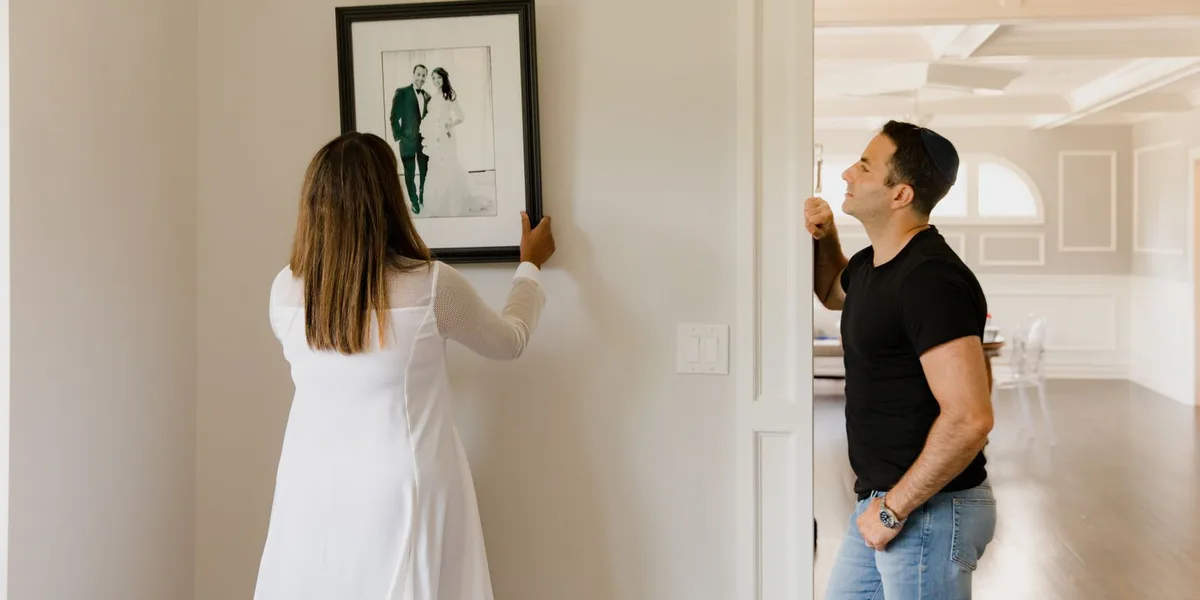
Picture frames, mirrors, shelves, and adhesive hanging products also need attention.
The problem becomes particularly important when using adhesive strips. These products rely on the painted surface to hold securely.
3M, for instance, recommends waiting seven days after painting before using its Command hooks to allow paint to cure.
That recommendation is specific to the product and should not be treated as a universal waiting period for every hanging method.
Before decorating, consider the following:
- Check the manufacturer’s instructions for adhesive hooks and strips.
- Avoid pressing decorative items directly against fresh paint.
- Allow sufficient curing time before attaching products to painted surfaces.
- Be especially careful with heavy mirrors and wall decorations.
A little patience now can prevent damage to the finish later.
Why painted cabinets need extra care
Kitchen cabinets present a different challenge from ordinary walls.
Cabinet doors and drawers move regularly. Their painted surfaces can also come into contact with other surfaces when closed.
So returning painted cabinets to normal use too early can create problems.
The paint may look dry, but contact between painted surfaces can cause sticking or paint transfer.
Benjamin Moore’s care guide notes that cabinet paint is often dry to the touch in two to four hours, but cabinets should not be used for at least two to three days after painting, and they take approximately 30 days to fully cure.
Pay particular attention to:
- Cabinet doors that close against their frames.
- Drawers that slide against painted surfaces.
- Painted handles and frequently touched areas.
- Surfaces that remain pressed together when cabinets close.
Don’t assume cabinets are ready for normal use just because their exterior surfaces feel dry.
Instead, follow the specific paint manufacturer’s curing instructions. Give the coating enough time to harden before allowing regular contact between painted surfaces.
Conclusion
Making a room usable again is not the same as letting furniture press against fresh paint.
The safest approach is staged: return freestanding furniture when the product instructions allow it — usually after 24–48 hours — but keep it away from the walls. Then allow additional time, around 7–10 days, before pushing furniture into its final position.
A freshly painted room deserves a little patience. Protecting the finish now is much easier than dealing with unnecessary paint damage later.
Frequently Asked Questions
How long after painting can you put furniture back against the wall?
Wait approximately 7–10 days before placing furniture directly against newly painted walls. Waiting a full 14 days is a more cautious choice in cool or humid conditions — this is a cautious choice, not a separate manufacturer recommendation. Check your paint manufacturer’s instructions before allowing firm contact.
How long should you wait to hang pictures on a freshly painted wall?
For 3M Command picture-hanging strips, wait seven days after painting. For nails, screws and hooks, wait at least 7–10 days before pressing a frame against the wall — the same contact guidance Benjamin Moore gives for furniture. Full cure takes longer (2–3 weeks for latex, about 30 days for Benjamin Moore walls), so avoid hanging heavy frames that press firmly against the paint until it has cured. Other hanging products may have different requirements, so check their instructions.
Can you wash a freshly painted wall?
Avoid washing or scrubbing fresh paint before it has cured. Benjamin Moore recommends waiting at least 30 days before cleaning newly painted walls. If you must remove a mark sooner, spot-clean gently and follow your paint manufacturer’s guidance.
How long do painted kitchen cabinets need to cure before you use them?
Benjamin Moore advises waiting at least two to three days before using painted cabinets, with full curing taking approximately 30 days. Pay particular attention to doors and drawers because their painted surfaces can touch when closed.
Does paint cure faster in a heated house in winter?
Not faster than its normal time. Heating a cold room back into the temperature range on the can lets paint cure at its normal rate — cold slows it down — but extra heat does not shorten the stated cure time. Keep the room in the range on the can and allow the full cure time even if the room feels warm.

Muhammad Muaz
Muhammad Muaz shares practical cleaning, home care, improvement and everyday living guides for Urban Home Guide readers.
Keep Exploring
Related Home Guides