- Your cart is empty Browse Shop
Furniture
Is Rubberwood Good for Furniture? Pros, Cons & Buying Advice
Buying wooden furniture gets confusing when different materials look almost identical on the shop floor. You find a dining table labelled rubberwood, the price looks fair, and you are left…
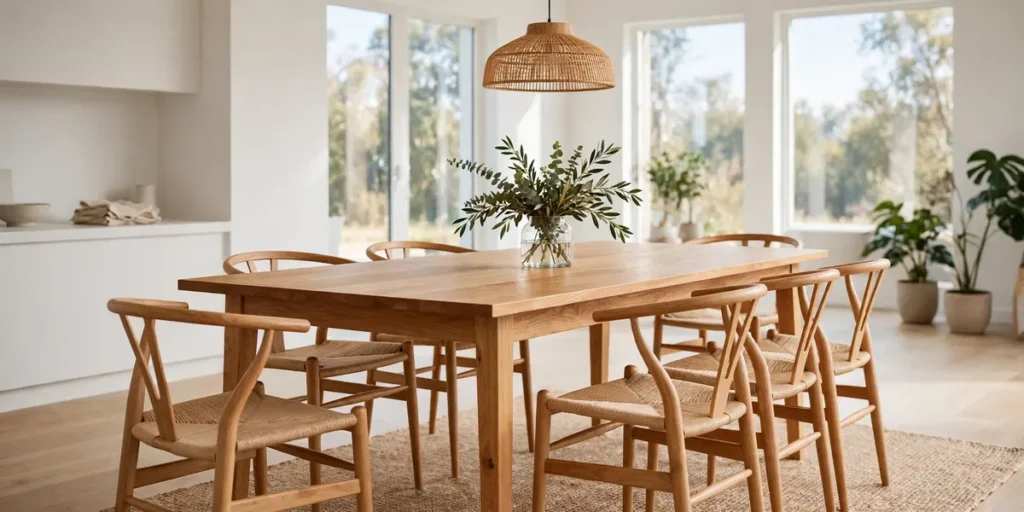
Buying wooden furniture gets confusing when different materials look almost identical on the shop floor. You find a dining table labelled rubberwood, the price looks fair, and you are left wondering whether it is a smart buy or a cheap shortcut.
So, is rubberwood good for furniture? Yes — for indoor furniture, rubberwood is a genuinely good material when it has been treated, dried and built properly. It is a real hardwood with hardness close to black walnut, it takes paint and stain evenly, and it usually costs less than oak or maple. Its limits are just as real: it has almost no natural resistance to moisture, fungi or insects, so it belongs indoors, and everything depends on how well the maker processed it.
This guide walks through what rubberwood actually is, where it is strong, where it fails, and what to check before you pay for it.
What Is Rubberwood?
Rubberwood comes from the Pará rubber tree, Hevea brasiliensis — the same tree that produces natural latex for rubber. The trees grow on plantations, mainly in Southeast Asia, and they are tapped for latex from about six or seven years of age.
A rubber tree produces useful latex for roughly 25 to 30 years. When the yield drops, the tree is felled and the plantation is replanted. In earlier decades those spent trees were simply burned. Today the trunks are milled into timber instead, which is why rubberwood is often described as a byproduct wood: no tree is cut down for the furniture alone.
You will also see it sold as parawood or hevea wood, and occasionally under the marketing label “Malaysian oak” — that last name is a sales label, not a botanical link to real oak.
The wood itself is light in colour, cream to pale tan, with a fairly straight, even grain. Furniture makers use it for dining tables and chairs, bed frames, cabinets, shelving, table legs and turned components such as chair spindles.
And despite the name, there is no rubber in the furniture. The name only records where the tree spent its working life.

Is Rubberwood Real Wood or Engineered Wood?
Yes, rubberwood is real wood. Solid rubberwood is natural timber sawn from a tree, not a manufactured board.
The detail worth understanding is that a product can contain rubberwood without being solid rubberwood throughout. A common construction is a solid rubberwood frame and legs paired with an MDF or plywood tabletop or side panels. Each material is doing a reasonable job in its place, but they are not the same thing, and the price should reflect the mix.
It helps to read material labels precisely:
- Solid rubberwood — natural timber used for that component.
- Rubberwood veneer — a thin surface layer of rubberwood over a different core material.
- MDF — an engineered board made from wood fibres and resin, smooth and stable for painted panels.
- Plywood — layers of wood veneer bonded together, often used for cabinet sides and drawer bases.
If you want to see how the engineered options compare with solid timber, our guide to what engineered wood furniture is breaks down each type. The rule for rubberwood shopping is simple: check the material of each part, not just the headline label.
Is Rubberwood a Hardwood?
Yes. Rubberwood is botanically a hardwood because it comes from a broadleaf tree. But “hardwood” is a family classification, not a promise of hardness — balsa is a hardwood too. What matters for furniture is the measured hardness, and that is tested with the Janka scale, which records the force needed to press a steel ball halfway into the wood.
Rubberwood rates about 960 lbf on the Janka scale, according to The Wood Database. That puts it in a useful middle position:
- Close to black walnut (1,010 lbf) and black cherry (950 lbf).
- Softer than red oak (1,290 lbf) and hard maple (1,450 lbf), so an oak top resists dents better.
- Roughly two and a half times harder than eastern white pine (380 lbf), so it shrugs off knocks that would mark a pine table.
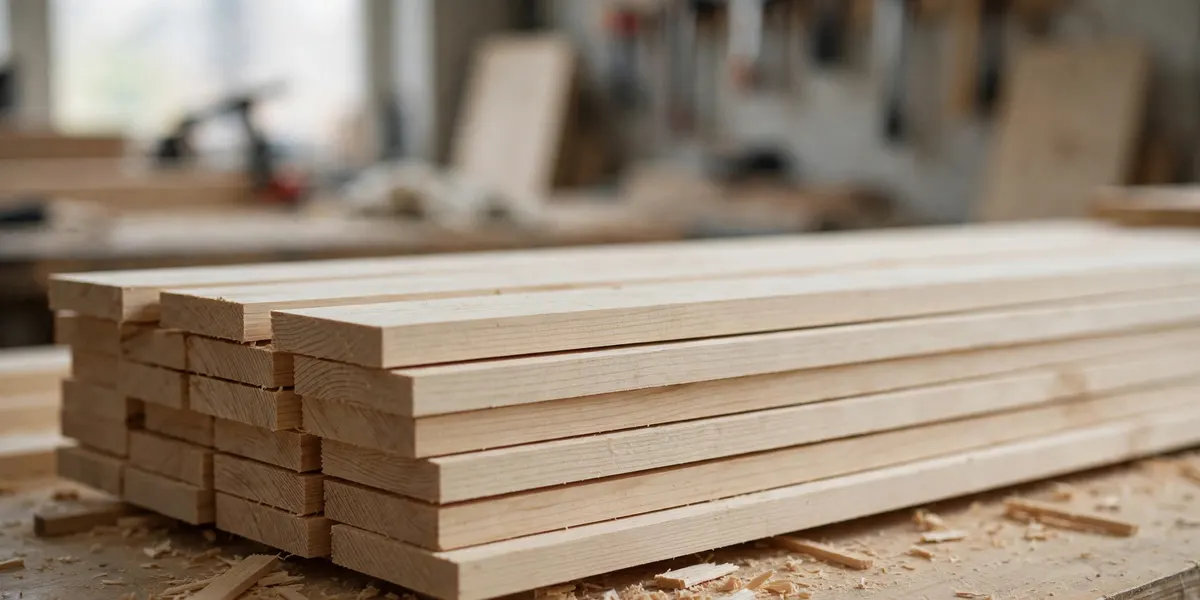
In plain terms, rubberwood is hard enough for daily indoor use — dining chairs, bed frames, table legs — without being in the premium hardness league. You can compare the published figures for each species in this Janka hardness comparison.
Is Rubberwood Good for Furniture?
Yes, with the conditions already mentioned. Rubberwood machines cleanly, glues well, and accepts stain and paint evenly, which is why factories use it for shaped and turned parts that would be slow or expensive to make from oak.
But the species name alone never decides quality. A well-built rubberwood table — properly treated timber, tight joints, a sound finish — will outlast a badly built table made from a more expensive wood. The sections below separate what the wood itself offers from what depends on the maker.
The Main Advantages of Rubberwood Furniture
1. Practical Strength for Everyday Indoor Furniture
At about 960 lbf Janka and a density near 595 kg/m³, rubberwood has enough substance for the parts that work hardest in furniture: chair legs, table frames, bed rails and supporting structures. It is also lighter than oak or maple, so finished pieces are easier to move around a room.
Strength still depends on design. Thick, well-braced legs in rubberwood will serve better than thin, poorly joined legs in a harder species.
2. More Affordable Than Premium Hardwoods
Rubberwood’s supply story keeps its price down. The timber comes from trees that were already grown and harvested for latex, so it enters the market as a recovered resource rather than a dedicated timber crop. That is why you can find genuine solid hardwood furniture at prices well below comparable oak, walnut or maple pieces.
A lower price is not automatically a bargain, though. Compare construction and finish, not just the species and the tag.
3. Easy to Paint, Stain and Finish
Rubberwood’s pale, even grain takes stain uniformly, with little of the blotching that troubles some woods. Manufacturers use that flexibility to offer walnut-style dark finishes, oak-style light finishes and painted colours from the same base timber.
One caution follows from this: a walnut-coloured finish does not make the wood walnut. Always check the species named in the specification, not the colour name on the label.
4. Stable in Indoor Conditions
Rubberwood shrinks very little as it dries and stays stable once it is properly kiln-dried, which is one reason it is also used for toys and kitchen accessories where movement would be a problem. Furniture panels are often finger-jointed — built from shorter strips glued together — which adds stability across wide tops, though it creates its own trade-off, covered in the disadvantages below.
5. A Resource-Efficient Choice, With an Honest Caveat
Using timber from trees at the end of a 25-to-30-year latex life is a better outcome than burning them, and it takes pressure off slow-growing timber forests. That part of the sustainability claim is real.
Plantation management, treatment chemicals, transport distance and factory practice also count, though. So treat “sustainable” as a fair starting point, not a complete certificate.
The Disadvantages of Rubberwood Furniture
1. Almost No Natural Durability
This is rubberwood’s defining weakness. Fresh rubberwood is rich in starch and sugars, and it is rated perishable: left untreated, it is attacked by staining fungi and wood-boring insects within days of felling.
The furniture industry exists because this problem was solved in the 1980s, when chemical treatment processes were developed to protect the wood — Wikipedia’s rubberwood overview traces that history. Industry guides for rubberwood buyers describe the standard fix used today: the timber is treated soon after sawing — usually with a boron preservative — and then kiln-dried promptly. Properly treated and dried rubberwood is a stable, clean indoor material. Poorly processed stock is where most complaints about rubberwood begin, so the maker’s process matters more than the species.
2. Poor Resistance to Moisture
Rubberwood is not waterproof, and it is not suited to prolonged wet conditions. Rain and standing water can leach out the boron treatment that protects it, reopening the door to fungi and insects, and excess moisture can warp the wood.
Inside the home, this means the usual care: wipe spills promptly, use coasters on tabletops, and think twice before choosing rubberwood for a steamy bathroom or laundry room.
3. A Plain Appearance
The grain is straight and understated, and the natural colour is pale. Some buyers like that clean simplicity; others want the bold grain of oak or the depth of walnut. Stain can change the colour, but it cannot give rubberwood another species’ grain pattern, which matters when you are matching existing furniture.
4. Finger-Jointed Panels Limit Refinishing
Because plantation logs are relatively small, wide rubberwood panels are usually finger-jointed and edge-glued from short strips. Done well, this is honest, stable construction — not a defect.
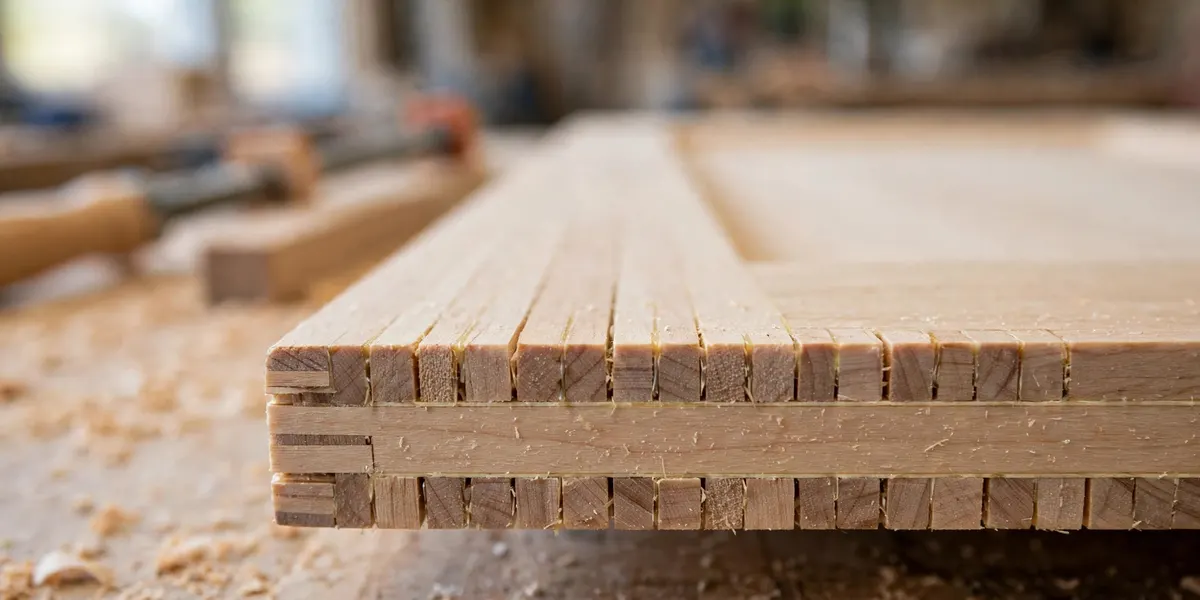
The limitation appears years later. Glue lines run through the panel, so aggressive sanding or repeated refinishing can expose the joints. A solid oak top can be refinished many times; a finger-jointed rubberwood top realistically takes about one light refinish.
Rubberwood vs Other Furniture Materials
The table below uses published Janka hardness figures to place rubberwood among the materials it is most often compared with.
| Material | Type | Janka hardness | Character | Best for |
|---|---|---|---|---|
| Rubberwood | Solid hardwood | ~960 lbf | Light colour, even grain, stains uniformly | Practical indoor furniture at a fair price |
| Red oak | Solid hardwood | ~1,290 lbf | Bold, open grain | Visible-grain traditional furniture |
| Hard maple | Solid hardwood | ~1,450 lbf | Pale, tight grain | Surfaces that take heavy wear |
| Black walnut | Solid hardwood | ~1,010 lbf | Naturally dark and rich | Premium appearance without stain |
| Eastern white pine | Softwood | ~380 lbf | Knotty, rustic, dents easily | Casual, budget, rustic styles |
| MDF | Engineered board | Not rated | Perfectly smooth, no grain | Painted panels and cabinet parts |
| Particleboard | Engineered board | Not rated | Wood particles bonded with resin | Budget flat-pack panels |
Rubberwood vs Oak
Oak is harder and shows a far more prominent grain, and white oak also has better natural decay resistance. Choose oak when the grain is the point of the piece or the surface will take heavy daily punishment. Choose rubberwood when you prefer a lighter, quieter look and a lower price, and the construction is sound.
Rubberwood vs Pine
Rubberwood is much harder than common furniture pines — about two and a half times the Janka rating of eastern white pine — so it resists dents and wear noticeably better. Pine keeps its place for rustic styles where knots and the odd ding are part of the character. For a smooth, finished look that holds up, rubberwood is the stronger choice.
Rubberwood vs MDF and Particleboard
These are not interchangeable materials. Solid rubberwood gives you real timber for legs, frames and tops, with the refinishing limits noted above. MDF gives a flawless painted surface for panels and doors. Particleboard is the budget option for flat panels that carry little load. Many good pieces combine them — solid rubberwood where strength matters, boards where flatness matters — which is exactly why the per-component check in the buying section matters.
What Furniture Is Rubberwood Best For?
Rubberwood suits indoor furniture where its workability and finishing flexibility are useful:
- Dining tables and chairs — its most established use; frames, legs and turned parts are its home ground.
- Bed frames and headboards — strong rails and posts, with a lighter weight that helps when moving or rearranging.
- Cabinets and shelving — especially painted or stained pieces where an even finish matters.
- Desks and side tables — stable panels and clean edges suit home-office furniture.
- Children’s furniture and toys — a long-standing use, helped by its stability and smooth finishing.
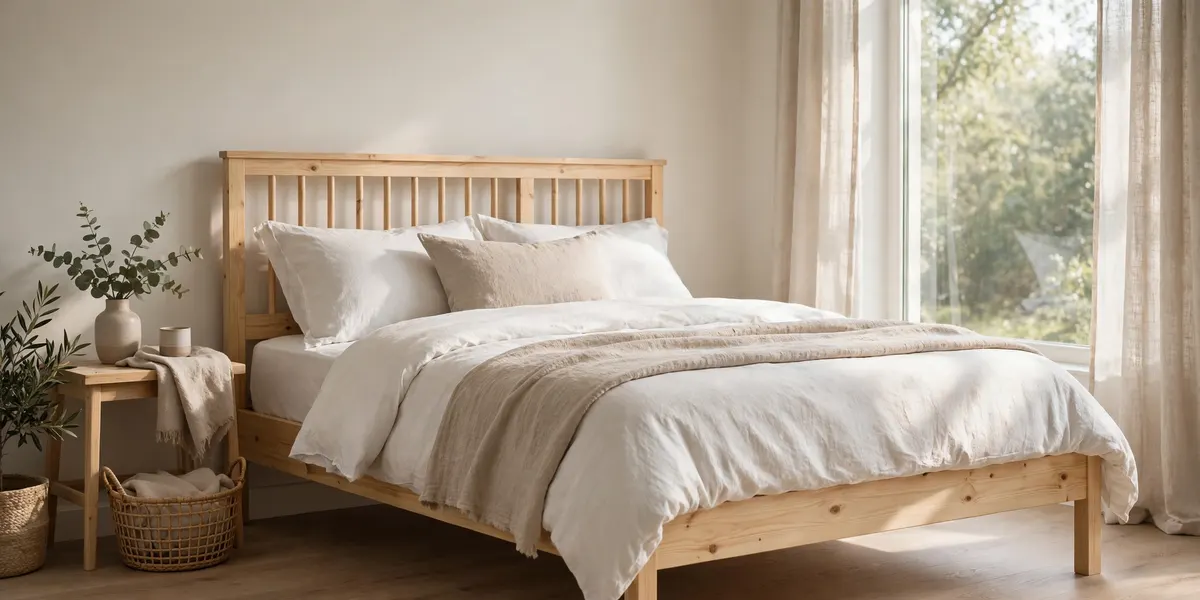
Before buying any of these, run the five checks in the buying section below.
Is Rubberwood Good for Outdoor Furniture?
Generally, no. Rubberwood’s perishable rating and its water-soluble boron treatment make untreated outdoor use a poor idea: rain leaches the protection out, and fungi and insects follow. A covered porch piece may survive for a while, but it is working against the material.
For furniture that lives outside in the weather, choose a material made for it — naturally durable species such as teak, or weatherproof options like the HDPE plastic lumber covered in our guide to what HDPE furniture is. Rubberwood’s place is indoors.
How to Care for Rubberwood Furniture
Basic care protects both the wood and its finish:
- Dust regularly with a soft, dry cloth.
- Use coasters and mats under drinks and hot dishes to keep moisture and heat off the surface.
- Clean spills promptly — wipe the area and dry it afterwards instead of leaving moisture sitting on the wood.
- Avoid soaking — never leave wet cloths or standing water on rubberwood, and clean with a barely damp cloth rather than a wet one.
- Follow the finish maker’s instructions — painted, lacquered and oiled surfaces each need slightly different cleaning, and harsh chemicals can strip them.
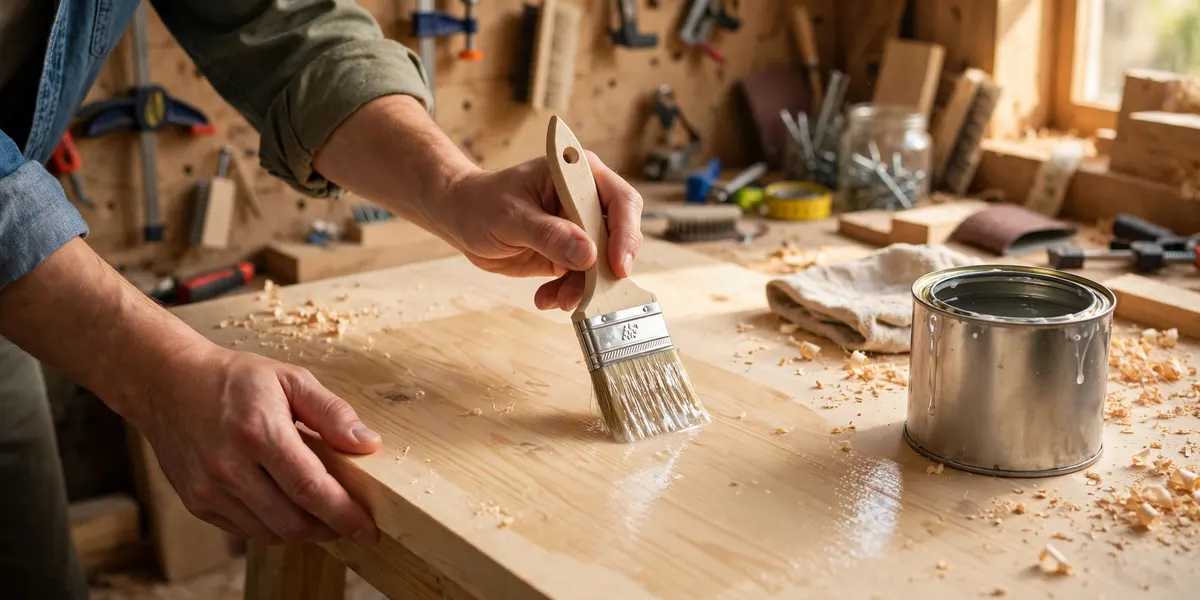
None of this is demanding. It is the same care any real wood furniture asks for, with extra respect for water.
What to Check Before Buying Rubberwood Furniture
Two products can both say “rubberwood” and be built very differently. These five checks separate them:
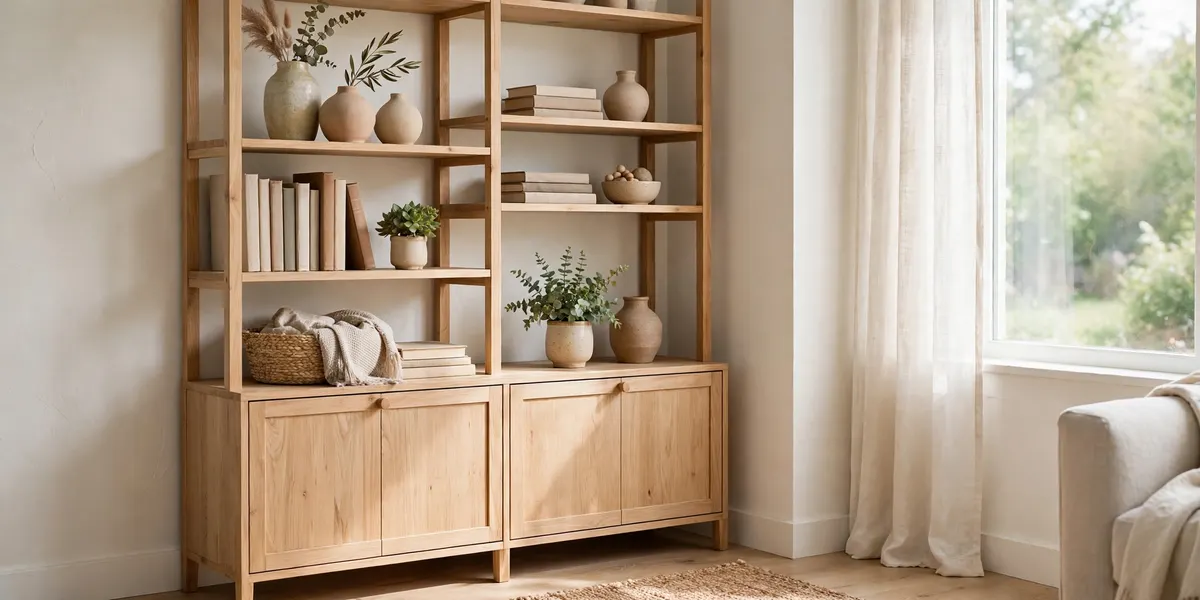
- Check the material of each component. Ask which parts are solid rubberwood and which are veneer, MDF or plywood. A solid frame with board panels can be a fair product — at the right price.
- Ask about treatment and drying. Reputable makers use boron-treated, kiln-dried timber at furniture moisture levels. It is a fair question, and a seller who knows the product will answer it plainly.
- Inspect the joints and frame. Rock the piece gently. Creeping movement, visible gaps or uneven legs point to weak joinery that no wood species can rescue.
- Look closely at the finish. Check for rough or unfinished edges, uneven coating and exposed end grain — the places moisture enters first.
- Match the piece to its room. Rubberwood rewards a dry indoor setting. For a bathroom, laundry room or outdoor space, choose a different material from the start.
Common Rubberwood Myths Explained
Myth 1: Rubberwood is artificial wood. False. It is natural timber from a real tree. Confusion comes from products that mix solid rubberwood with engineered panels under one label.
Myth 2: Rubberwood furniture contains rubber. False. The name comes from the tree’s latex years. The milled wood in your table is wood, not rubber.
Myth 3: All rubberwood furniture is low quality. False. Quality follows processing, joinery and finishing. A well-made rubberwood piece is a sound purchase; a badly made one would be a poor purchase in any species.
Myth 4: Rubberwood is waterproof. False. It is rated perishable, its protection can leach out in the rain, and it is an indoor material.
Myth 5: A dark stain means it is walnut. False. Stain changes colour only. Rubberwood is often stained precisely because it takes colour so evenly — check the species in the specification.
Conclusion
Rubberwood is worth buying when the piece is well made and the room is right. It is a genuine hardwood with walnut-level hardness, an even finish, good stability and a price that reflects its byproduct supply rather than any corner-cutting. Its weaknesses — perishable raw timber, moisture sensitivity and panels that allow limited refinishing — are manageable indoors and largely decided at the factory.
Judge the furniture, not just the label, and a good rubberwood dining set or bed frame is a sensible, long-serving purchase.
Frequently Asked Questions
Is rubberwood furniture good quality?
It can be. Quality depends on the maker using properly treated, kiln-dried timber and sound joinery. Well-made rubberwood furniture gives dependable indoor service; poorly processed stock is where the bad reputation comes from.
Does rubberwood furniture last a long time?
Yes, in normal indoor conditions with basic care — spills wiped, coasters used, no standing water. Its lifespan is set more by construction quality and how dry its environment stays than by the species itself.
Is rubberwood stronger than pine?
It is harder, yes — about 960 lbf on the Janka scale against roughly 380 lbf for eastern white pine — so it resists dents and surface wear much better. Pine is lighter and cheaper, and suits rustic pieces where marks matter less.
Is rubberwood furniture waterproof?
No. Rubberwood is rated perishable, and rain or standing water can leach out its protective boron treatment. Keep it indoors and dry spills promptly.
Is rubberwood environmentally friendly?
Partly, and honestly so: the timber comes from trees felled after 25 to 30 years of latex production, which would once have been burned. The full picture also includes plantation management, treatment and transport, so it is a resource-efficient choice rather than a perfect one.

jarvis
jarvis shares practical cleaning, home care, improvement and everyday living guides for Urban Home Guide readers.
Keep Exploring
Related Home Guides