- Your cart is empty Browse Shop
Furniture
Can You Use Wall Paint on Furniture?
Can you use wall paint on furniture? Yes — but it is not the best choice for every piece. If you have leftover interior paint in the garage, reusing it…

Can you use wall paint on furniture? Yes — but it is not the best choice for every piece. If you have leftover interior paint in the garage, reusing it can save a trip to the store and the cost of another can. The catch is that furniture lives a harder life than walls. It gets touched, bumped, scratched, and wiped down far more often, so the paint on it has to suit both the surface and the way the piece is actually used.
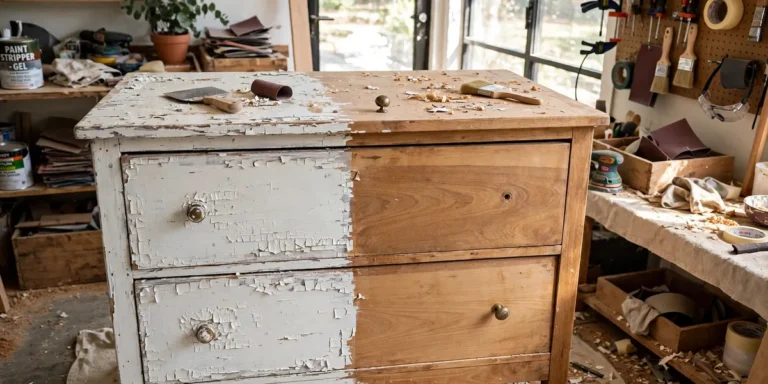
This is not theory. Woodcraft documented a dresser makeover done with leftover acrylic latex paint-and-primer-in-one, and it worked — because the surface was cleaned, scuff-sanded, and finished properly. At the same time, finish specialists such as Coverage By Design recommend furniture-specific coatings for pieces that see daily wear, and they have a point. Here is what to consider before you open that leftover can.
The Short Answer: Yes, With Conditions
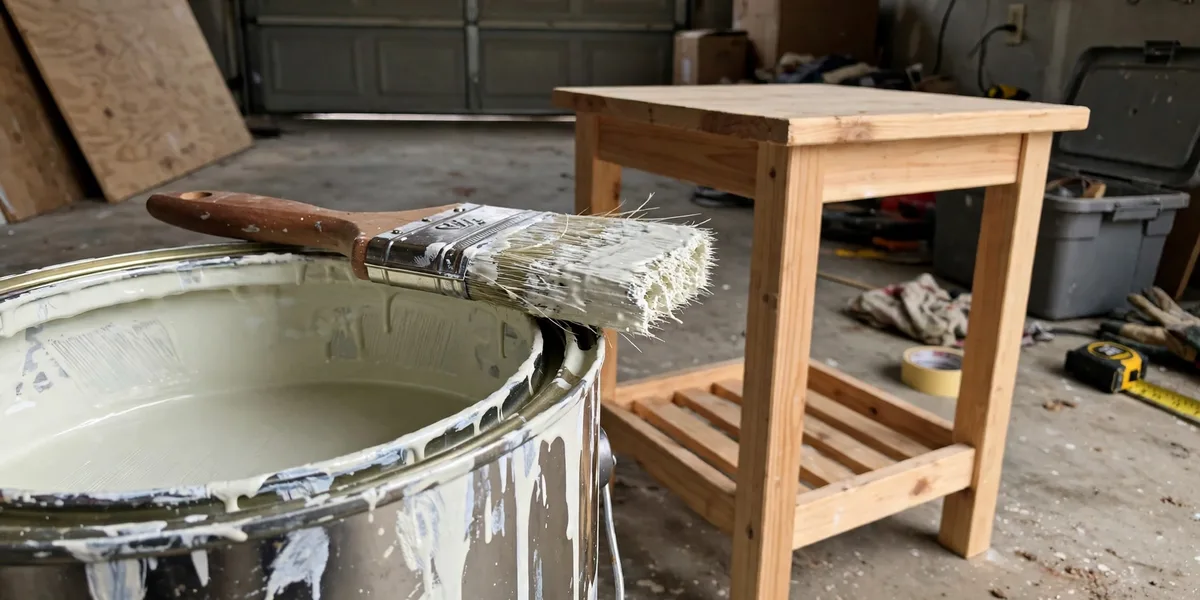
Yes, some interior wall paints can be used on furniture — especially decorative pieces that are rarely handled. What you cannot do is assume that every wall paint will produce a durable furniture finish. Formulas differ widely, and with them, adhesion and protection.
The Woodcraft project is a good example of the best-case scenario. The writer cleaned a wooden Lane dresser with a degreaser, scuff-sanded it, and applied two coats of an acrylic latex paint-and-primer-in-one in a satin finish. That is a modern, good-quality interior paint used on a sound wooden surface with proper preparation — very different from brushing an old flat wall paint over a glossy finish and hoping for the best.
Brand guidance points the same way. Annie Sloan states that its Wall Paint could be used on furniture, but that it does not offer the same adhesion as its Chalk Paint, and the company recommends Chalk Paint for furniture. When the manufacturer of both products tells you which one belongs on furniture, that advice is worth taking seriously.
How the answer breaks down, piece by piece:
- Decorative shelves: wall paint is a reasonable option.
- Plant stands: fine for pieces with limited handling.
- Occasional tables: workable, with proper preparation and protection.
- Dining chairs: choose a more durable furniture coating.
- Frequently used tabletops: use furniture-specific paint or enamel.
The real question is never whether wall paint can cover furniture. It is whether the finish can handle regular use once it is on there.

What’s the Difference Between Wall Paint and Furniture Paint?
Wall paint and furniture paint are built for different jobs, although the exact performance always depends on the individual formula.
Wall paint is designed to cover large, mostly untouched surfaces with even color and texture. Furniture paint has to survive physical contact — hands, objects being set down, chairs scraping floors, and regular cleaning. As Coverage By Design’s comparison points out, furniture coatings are formulated to resist scuffs and repeated wiping, with a harder, more wear-resistant film than a typical wall finish.
| Feature | Wall paint | Furniture paint |
|---|---|---|
| Main purpose | Covering walls | Painting furniture |
| Surface contact | Generally limited | Frequent handling |
| Durability | Depends on the formula | Designed for furniture use |
| Scratch resistance | Varies by product | Usually better wear resistance |
| Finish | Often flat or low-sheen | A range of furniture finishes |
| Preparation | Depends on the surface | Depends on the paint and surface |
| Protective coating | May be needed | Depends on the product |
One detail matters here: “latex” does not automatically mean ordinary wall paint. The Copper Goose’s dresser makeover, for example, was done with a latex enamel, and Woodcraft’s project used an acrylic latex paint-and-primer-in-one. Those are specific formulations, made to grip better and wear harder than a basic flat wall paint. So before you decide anything, read the label on the can you actually have — the product in your hand matters more than the category name.
What Can Go Wrong When You Use Wall Paint on Furniture?
Wall paint can look perfect the day you apply it. The problems tend to show up later, once the piece goes back into daily use. Coverage By Design identifies several issues that come up with wall paint on frequently handled furniture:
1. The paint can peel or chip. Adhesion depends on the surface underneath and how well it was prepared. A dirty or glossy surface gives new paint little to grip, so the finish can start peeling or chipping with regular use.
2. Scratches show up quickly. Furniture meets keys, dishes, toys, and chair legs every day. A standard wall paint film is not built for that contact, and marks appear sooner than most people expect.
3. The surface can feel tacky. Some wall paints stay slightly sticky or wear unevenly on furniture, which is especially frustrating on tabletops, drawer fronts, and anything you touch constantly.
4. Cleaning wears the finish down. Furniture needs wiping — spills, fingerprints, dust. Not every wall paint is made for repeated cleaning, and a weak finish starts looking tired fast.
The biggest mistake is choosing paint by color alone. A beautiful shade is worth nothing if the finish cannot handle the job the furniture does.
When Can You Get Away With Using Wall Paint?
Wall paint makes the most sense on furniture that is decorative rather than heavily used. Low-use pieces — indoor shelves, plant stands, and occasional tables — are the kind of furniture where wall paint can work. In practice, these are the safest candidates:
Decorative Shelves
Shelves mostly sit and look good. They receive far less direct contact than chairs or dining tables, so a wall paint finish — properly prepared — usually holds up fine.
Indoor Plant Stands
A stand that holds a plant and is otherwise left alone is a good candidate for a refresh with leftover paint. A suitable protective finish on top helps guard against water rings and damp pots.
Occasional Tables
A side table that holds a lamp and a book or two can work with wall paint. A coffee table that holds feet, mugs, and game controllers every evening is a different story — treat that as a heavily used piece.
On the other hand, I would not choose ordinary wall paint for heavily used furniture without confirming the product is up to it. Dining chairs, kitchen cabinets, and busy tabletops need more durable finishes. If you already own a suitable paint, weigh its compatibility and the preparation it needs honestly; otherwise, furniture paint is simply the more practical choice.
How Furniture Material Affects Paint Compatibility
Before you choose a paint, identify what your furniture is made of. The material decides the preparation, and often decides whether wall paint is a sensible option at all.
Wood Furniture
Wood is one of the most forgiving surfaces, and the one most painting systems handle well. The Woodcraft dresser project shows the standard approach: the wood was cleaned and scuff-sanded before the paint-and-primer-in-one went on. For wooden furniture, remove dirt and grease, repair any damage, prepare the surface, and use a suitable primer where the paint system calls for one.
MDF Furniture
MDF can be painted successfully when the coating system suits it. Coverage By Design describes wall paint used on primed MDF with proper sanding, primer, and a clear topcoat. MDF is one of the common engineered wood furniture materials, and its smooth, uniform surface takes primer well — but its edges absorb moisture, so sealing them properly matters. Always check the paint and primer labels before starting.
Laminate Furniture
Laminate is a different animal from unfinished wood. Its hard, glossy surface is exactly the kind that ordinary paint struggles to grip, so do not assume wall paint will adhere. Laminate needs a compatible bonding primer and a paint system made for slick surfaces — Sherwin-Williams, for instance, builds its laminate process around a thorough cleaning, a shine-removing sanding, and an extreme-bond primer before any topcoat.
Metal Furniture
Metal has its own requirements. A paint designed for wooden furniture may not suit it at all. Choose a coating that specifically lists metal as a suitable surface. In practice, the preparation runs in a set order: brush or sand off any loose rust, clean and degrease the surface, apply a rust-inhibiting metal primer, and only then paint. Skipping the rust and primer steps is the usual reason paint on metal bubbles and flakes within a season.
The rule is simple: never choose the paint before identifying the material. That one small decision prevents most failed finishes and repainting jobs.
How to Paint Furniture With Latex Paint
If you have decided to reuse leftover latex wall paint, preparation is the part that decides the result — do not rush it. The Copper Goose’s dresser makeover followed the classic sequence of cleaning, repairs, sanding, primer, latex paint, and a protective finish, and Woodcraft’s project was built on the same foundation. Follow this process:
Step 1: Clean and Disassemble the Furniture
Start by removing dust, grease, and surface residue. Old furniture polish is a hidden trap here: Woodcraft specifically warns that silicone-based polishes such as Pledge and Endust build up on furniture over the years and will cause problems with paint adhesion if they are not cleaned off first. Remove handles and knobs, take out drawers, separate anything removable, clean the piece thoroughly, and let it dry completely. A clean surface gives your paint a fair starting point.
Step 2: Repair Scratches and Damaged Areas
Check the furniture for scratches, holes, and damaged corners. Fill repairs on wooden furniture with an appropriate wood filler, and smooth the filled areas once they dry. The Copper Goose’s makeover included filling scratches and rebuilding damaged dresser corners before any sanding began. Do not skip visible repairs — paint changes the color of a surface, but it does not hide damage.
Step 3: Sand the Surface for Better Adhesion
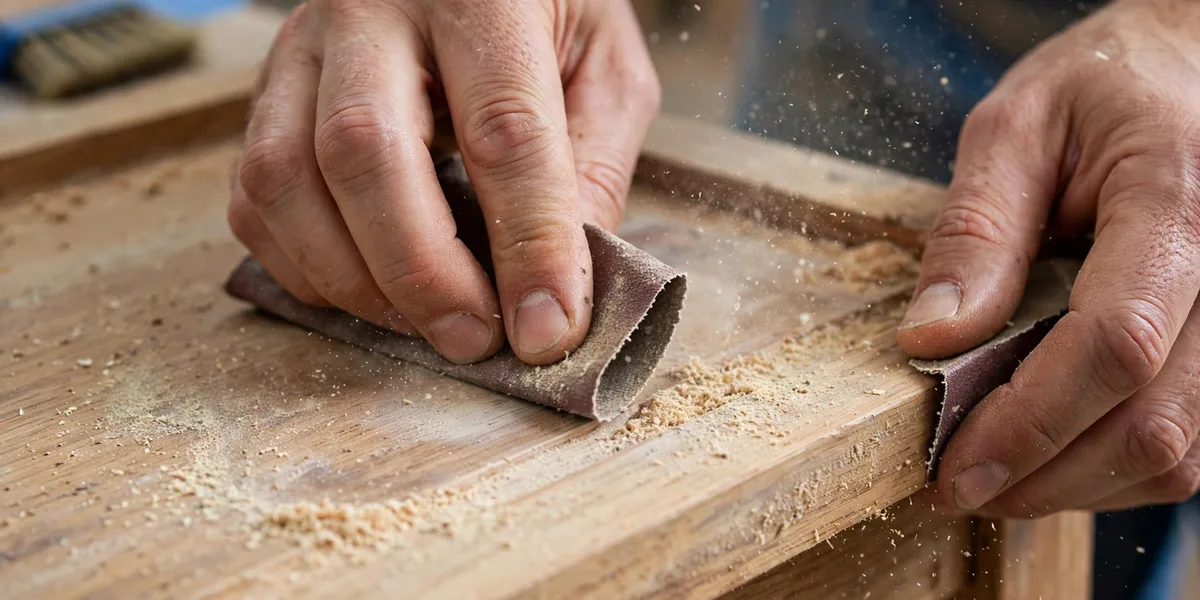
Sanding removes gloss and gives the new coating something to hold onto. Scuff the surface with suitable sandpaper, then remove every trace of sanding dust before you continue. Both Woodcraft and The Copper Goose sanded for exactly this reason.
Safety first: if the piece is old and may have been painted before 1978, test it for lead paint before you sand — and never dry-sand a surface that could contain lead. Whatever the piece’s age, wear a dust mask or respirator while sanding and keep the work area ventilated.
Do you always need to sand? Not necessarily. Petticoat Junktion describes a project painted with latex paint without sanding or priming, on a piece that was already in sound condition — but that reflects one project and one paint choice, not a universal rule. For glossy, damaged, or questionable surfaces, follow the preparation instructions of the paint system you have chosen.
Step 4: Apply Primer and Paint
Primer helps paint adhere and gives you a uniform surface to work on. Sherwin-Williams notes that primer can also seal porous materials and block stains, including wood tannins that would otherwise bleed through a light-colored finish. Apply a suitable primer whenever the furniture or the paint instructions call for one.
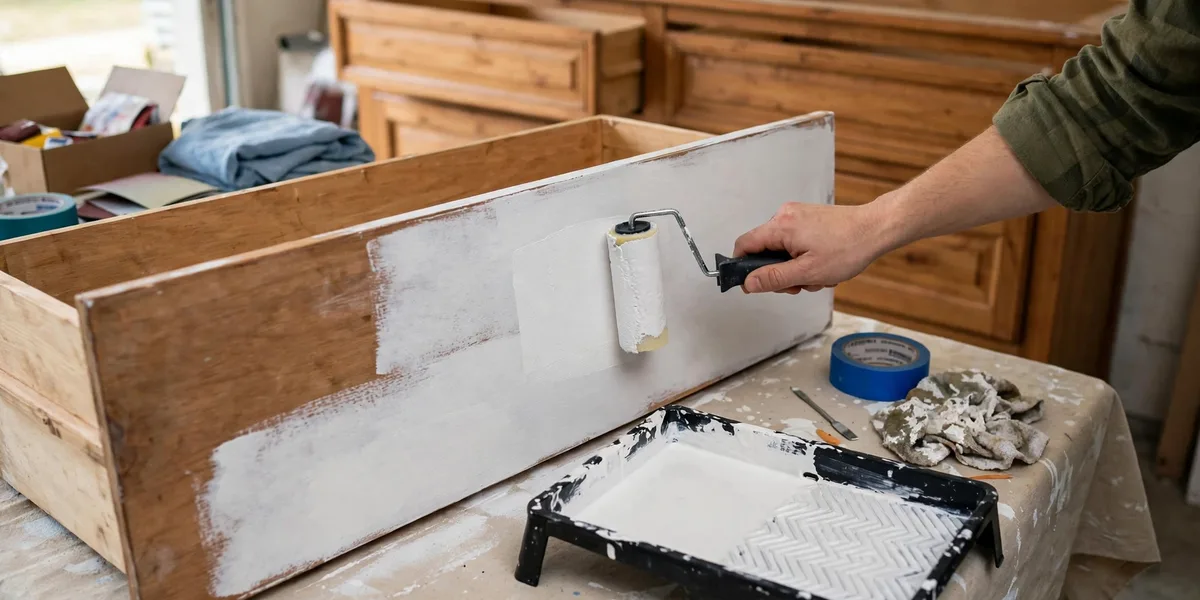
Then apply your latex paint. Use a brush for corners and detailed areas, and a small roller for larger flat surfaces, as The Copper Goose did with a synthetic brush and a mini roller. Apply the paint evenly and follow the manufacturer’s drying and recoat times — they vary by product, and guessing them is how finishes go wrong.
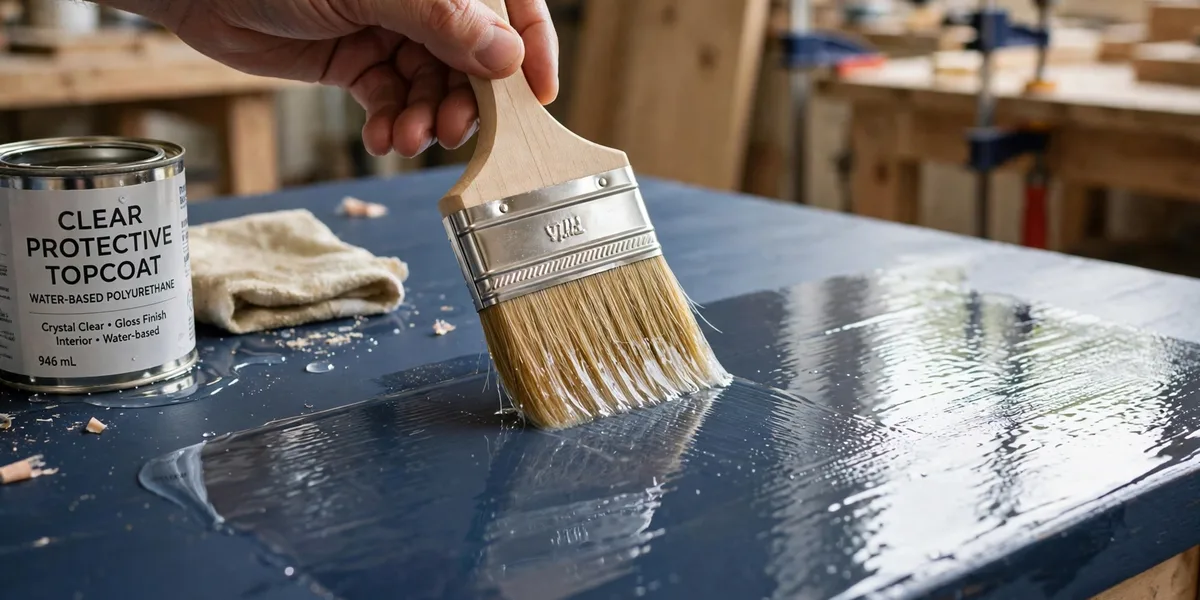
Step 5: Add a Protective Topcoat When Needed
A protective topcoat can significantly improve the durability of a painted piece. Not every latex paint needs one — The Copper Goose notes that some higher-quality latex paints have protective properties built in — but for furniture in regular use, the extra protection is usually worth it. Common options include clear water-based polyurethane, a polycrylic protective coating, a compatible clear furniture enamel, or furniture wax where the paint system allows it. The Copper Goose used a water-based polycrylic topcoat on its dresser, and Woodcraft finished its painted dresser with a satin protective topcoat as well. Whatever you choose, check compatibility first, and respect the curing time before heavy objects go back on the piece.
What Kind of Paint Should You Use Instead?
If your furniture sees regular use, a coating designed for furniture is usually the better investment than ordinary wall paint. Several alternatives are worth considering, each suited to different pieces and styles:
| Paint type | Best suited for | Main advantage |
|---|---|---|
| Chalk paint | Decorative and vintage furniture | Matte appearance |
| Acrylic enamel | Frequently used furniture | Hard-wearing water-based finish, easy cleanup |
| Oil-based enamel | Chairs and cabinets | The hardest traditional finish; slower drying, solvent cleanup |
| Milk paint | Rustic furniture | Traditional appearance |
| Specialty furniture paint | Different furniture materials | Designed for furniture surfaces |
| Latex enamel | Suitable prepared furniture | Smooth, self-leveling finish |
Chalk Paint
A good option for decorative furniture and vintage-style projects, with a soft matte look. Some chalk paint systems need wax or another protective sealer to stand up to wear. This is also the product Annie Sloan points furniture painters to: the company distinguishes its Chalk Paint from its Wall Paint precisely because Chalk Paint offers the adhesion furniture needs.
Acrylic Enamel
Consider acrylic enamel for furniture that needs a more durable finish and regular cleaning — dining sets, cabinets, and entryway pieces. It cures to a harder film than standard latex wall paint and shrugs off wiping far better.
Milk Paint
Milk paint suits projects where you want a rustic, traditional appearance. It has a character of its own, bonds beautifully to raw wood, and is a favorite for farmhouse-style pieces.
Specialty Furniture Paint
Purpose-made furniture paints are worth considering when you are working across different surfaces — including laminate and metal — because they are formulated and tested for exactly those materials.
Choose paint according to the furniture’s purpose. A decorative shelf does not need the same coating as a dining table the family uses three times a day, and pretending otherwise is how finishes fail early.
Practical Tips for a Better Furniture Paint Finish
A few simple decisions make the whole project easier and the result better:
1. Read the paint label. Confirm the product is suitable for your surface before anything else. The label, not the color chart, decides whether a paint belongs on furniture.
2. Do not skip the cleaning. Dirt, grease, and old silicone polish are among the most common reasons paint fails to stick.
3. Prepare glossy surfaces. Follow the manufacturer’s sanding or primer recommendations — gloss is where paint jobs go to peel.
4. Repair visible damage first. Paint will not replace proper surface repairs, and every unrepaired scratch shows through a fresh finish.
5. Use the right tools for each area. Brushes handle corners and detail; rollers lay down smooth coats on flat surfaces. Using one tool for everything leaves marks.
6. Check the protective finish. Make sure the topcoat is compatible with your paint before you apply it, not after it clouds or wrinkles.
7. Allow proper curing. Dry to the touch is not cured. Woodcraft’s dresser project makes the point well: the writer waited for the paint to cure before placing heavy objects on the finished piece.
And one more: do not assume extra coats of paint will fix poor adhesion. If the surface is the problem, more paint just makes a thicker failing finish. Fix the surface first.

Conclusion
My recommendation is to avoid ordinary wall paint on furniture that receives daily use. Chairs, cabinets, and busy tabletops deserve a coating built for contact, and the small extra cost of the right paint is far cheaper than stripping and redoing a failed finish.
That does not mean leftover paint has to go to waste. On suitable decorative, low-use pieces it can work well, provided the surface is properly prepared and, where needed, protected. For frequently used furniture, choose a coating designed for furniture instead.
Choose paint for how the furniture will be used, not just how you want it to look, and the finish will reward you for it.
Frequently Asked Questions
Can I use leftover latex wall paint on a wooden dresser?
Yes, some latex paints can work well on a wooden dresser when the product and the surface are suitable. Woodcraft demonstrated exactly this with an acrylic latex paint-and-primer-in-one: the dresser was cleaned, scuff-sanded, painted, and finished with a protective topcoat. Preparation made the difference.
Do I have to sand furniture before painting it?
Not always, but sanding is important whenever the existing finish is glossy or slick, because paint needs texture to grip. Some projects on sound, matte surfaces skip it successfully. The right preparation depends on the surface in front of you and the instructions of the paint you are using.
Do I need primer before using wall paint on furniture?
Often, yes — especially on bare, stained, glossy, or difficult surfaces. Primer improves adhesion, creates a uniform base, and can block stains such as wood tannins from showing through the finish, as Sherwin-Williams explains. On a clean, sound, previously painted surface, a paint-and-primer-in-one may be enough.
Should I seal wall paint after painting furniture?
A protective topcoat helps painted furniture withstand regular use, and on handled pieces it is usually worth adding. First check whether your paint already provides suitable protection, and confirm that any additional coating is compatible with it before you apply it.
What furniture is best for using leftover wall paint?
Decorative shelves, indoor plant stands, and occasional tables are the safest candidates. They are handled far less than everyday chairs and tabletops, so a properly prepared wall paint finish has a realistic chance of lasting on them.

jarvis
jarvis shares practical cleaning, home care, improvement and everyday living guides for Urban Home Guide readers.
Keep Exploring
Related Home Guides