- Your cart is empty Browse Shop
Furniture
How to Arrange Bedroom Furniture in a Small Room
A small bedroom can feel cramped when the bed, dresser, and nightstands all compete for the same floor space. Learning how to arrange bedroom furniture in a small room starts…
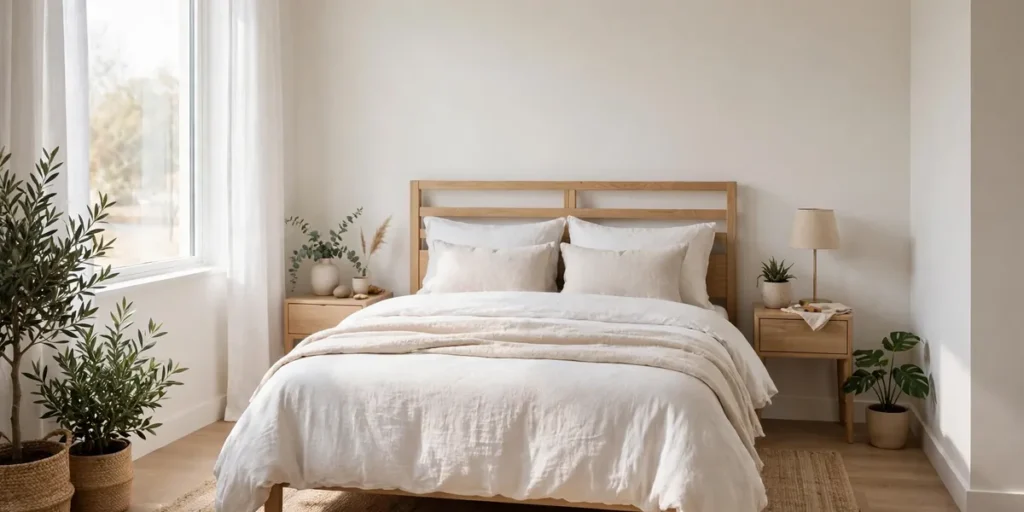
A small bedroom can feel cramped when the bed, dresser, and nightstands all compete for the same floor space. Learning how to arrange bedroom furniture in a small room starts with one simple decision: give every piece a clear purpose. You do not need to replace everything you own — plan around the bed, protect your walking paths, and use storage that does not crowd the floor, and even a compact bedroom can feel organized and welcoming.
The basic principles are the same ones that govern arranging bedroom furniture in a room of any size — the bed leads, everything else supports it — but in a small room every inch has to earn its place.
Start With a Plan: Measure and Map the Room
Before you move a single piece, look at the room as a complete space. The goal is not simply to fit everything inside — you also need to reach your closet, open your doors, and walk around the bed comfortably.
Measure the Room and Note Its Fixed Features
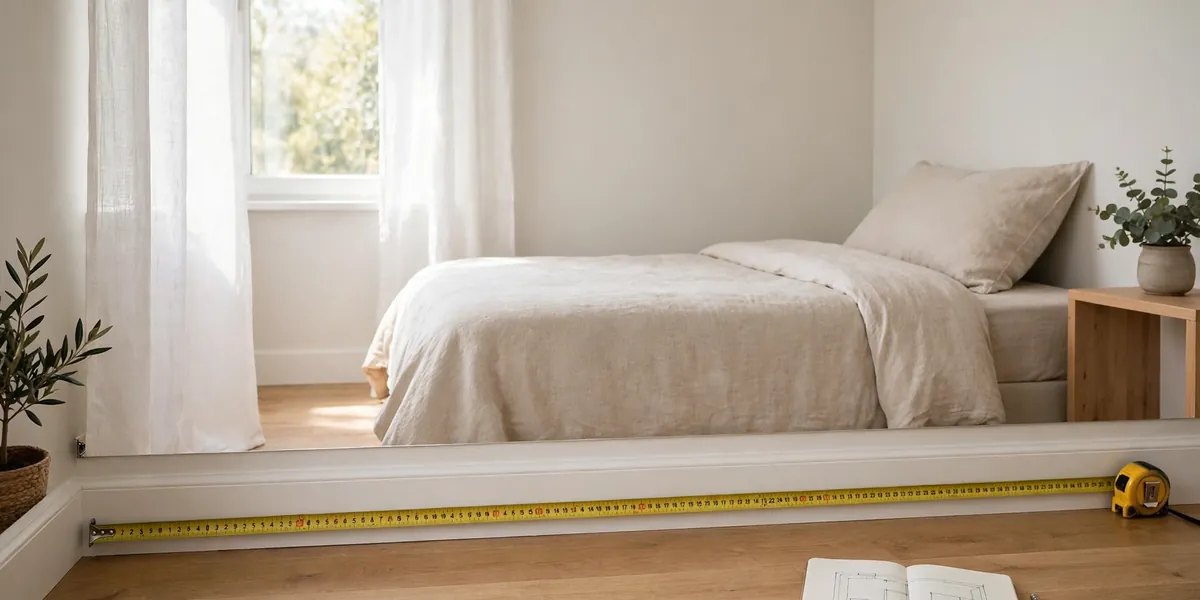
Take the room’s measurements first: length, width, and ceiling height. Then identify the fixed features that control where furniture can go:
- Bedroom doors, and the direction each one swings
- Closet doors and the usable closet space behind them
- Window locations and sizes
- Electrical outlets
- The dimensions of the furniture you already own
- Wall space that is free
Do not overlook door swings. A dresser might fit perfectly against a wall on paper and still be a daily annoyance if its drawers, or the door beside it, cannot open fully. Closet America recommends measuring all of these features before drawing up any floor plan. Measure the furniture itself just as carefully — our guide on how to measure furniture covers the dimensions that matter, including the diagonal depth that decides whether a piece fits through the doorway.
Sketch the Layout Before You Move Anything
Once you have the measurements, draw a simple floor plan on graph paper or in a free digital room planner. Add the bed, dresser, nightstands, and any other essential pieces at their real sizes, then experiment: move the bed on paper, try the dresser beside the closet and against the opposite wall, and compare. Bassett Furniture recommends sketching layouts first — it is far easier to compare three arrangements on paper than to drag a dresser across the room three times.
Choose the Best Bed Placement
The bed takes up more floor space than any other piece, so its position should guide everything else. No single arrangement works everywhere — wall lengths, windows, doors, and walking space all have a say. Whatever arrangement you choose, protect the space around the bed: about 24 inches of walking room on the tightest side is the workable minimum, while about 30 inches lets you move around the bed, and make it, comfortably.
Center the Bed Against the Main Wall
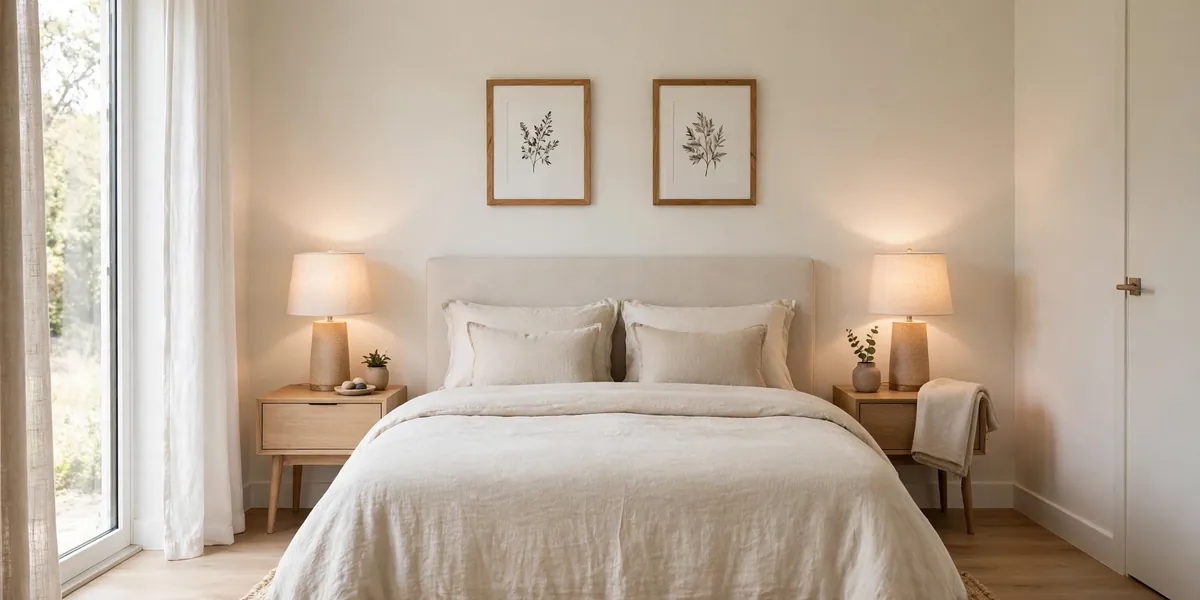
Placing the bed in the center of the main wall creates a balanced, settled look, and it works particularly well when the room is wide enough for access on both sides. Add matching nightstands if the space allows, but do not force two bedside tables into a room that cannot comfortably hold them. The most visible wall, often the one you face as you come through the doorway, is the usual choice. It suits a relatively balanced room where you want a clear focal point and both sides of the bed keep usable space.
Place the Bed Against a Corner
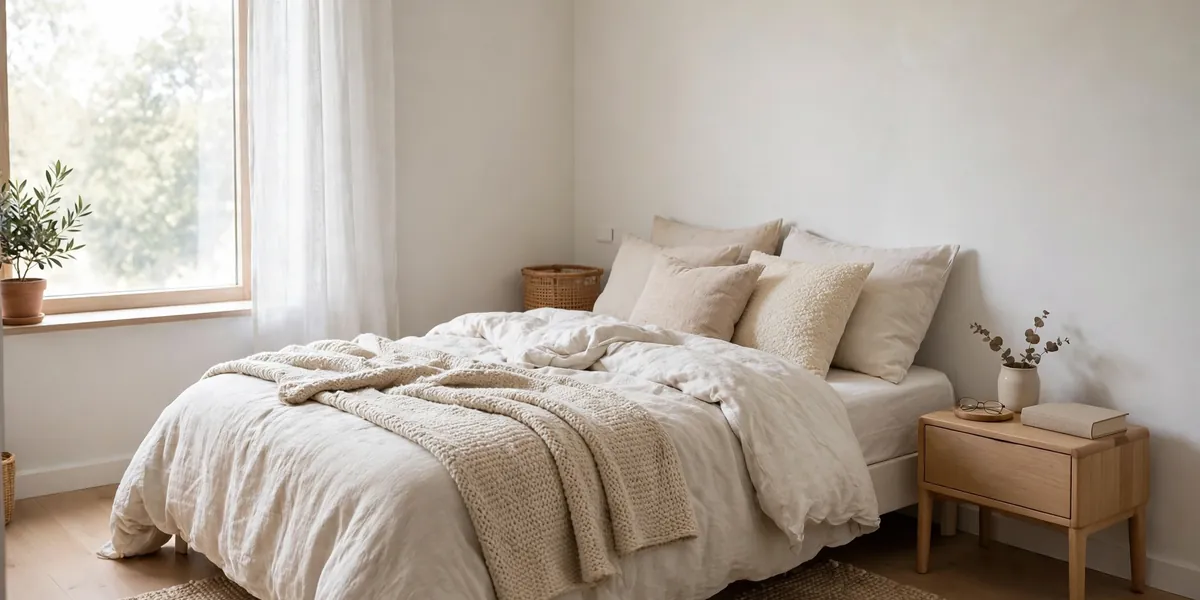
A corner arrangement can work when the bedroom is especially narrow. Moving the bed against two walls frees up floor space elsewhere, which may leave room for a dresser or another essential piece. The trade-off is real: one side of the bed becomes less accessible, so think about who sleeps there and how often you change the bedding before you commit to it.
Consider the Longest Uninterrupted Wall
The longest wall without a window, door, or closet opening is often the most flexible starting point for the bed — just make sure the bed will not block natural light or cut off access to the rest of the room.
Choose a Bed Size That Leaves Usable Space
A large bed can look appealing and still be the wrong choice. Judge it by the space left after it goes in: can you still reach the closet, fit a dresser, and move around the bed without shuffling? If a queen or king makes the layout difficult, consider whether a full or twin serves the room better. The best bed is not the largest one that fits — it is the one that lets the bedroom keep working as a bedroom.
Arrange Nightstands, Dressers, and Everything Else
With the bed in position, arrange the remaining furniture around it. Resist treating every empty wall as an invitation to add another piece — a bedroom needs usable space, not furniture on every side.
Choose Compact or Floating Nightstands
Traditional nightstands are not essential in every small bedroom. A floating shelf gives you a surface for everyday essentials without taking up floor space, and a compact bedside table adds storage without overwhelming the bed area. Whichever style you pick, aim for a top surface roughly level with the top of the mattress — about 24 to 28 inches high for most beds — so a glass of water, a book, and your phone sit at a natural reach, not up or down a step. Your main options:
- A floating nightstand for a minimal arrangement
- A wall-mounted shelf for basic bedside essentials
- A small drawer nightstand for concealed storage
- One bedside table instead of two
And if floor space is truly tight, dropping one or even both bedside tables is a legitimate move — a wall-mounted shelf can carry the essentials instead.
Position the Dresser Without Blocking Access
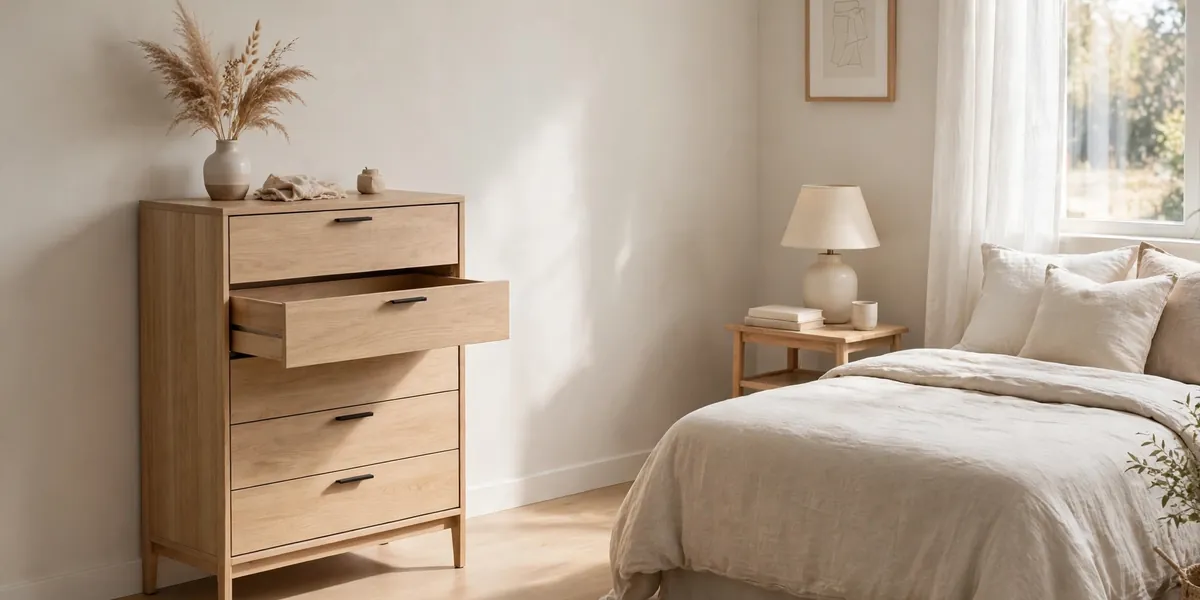
A dresser should provide storage without interrupting the room’s natural movement. Place it against a free wall or near the closet. A tall, narrow dresser is often the smarter choice: it uses vertical space and leaves more floor open than a wide chest. Leave about 36 inches of clear floor in front of it — enough for a drawer to open fully with you standing in front of it. Before you settle, open every drawer — if one cannot come out comfortably, the dresser is in the wrong spot. And if your closet is generous, consider fitting the dresser inside the closet itself, one less freestanding piece in the room.
Avoid Overcrowding the Room
More furniture does not automatically make a better bedroom. A small room feels disorganized when too many separate pieces compete for attention — although furniture that is far too small can create the same cluttered effect in miniature. Start from what you need — one dresser may store more than several small cabinets, and look calmer doing it. Crowding in too many pieces is the most common arrangement mistake — and the easiest to avoid.
Choose Space-Saving Furniture for a Small Bedroom
Furniture selection makes a major difference when floor space is limited. The aim is not to buy the smallest pieces you can find, but pieces that serve a real purpose without taking up unneeded space.
Consider Multifunctional and Storage Beds
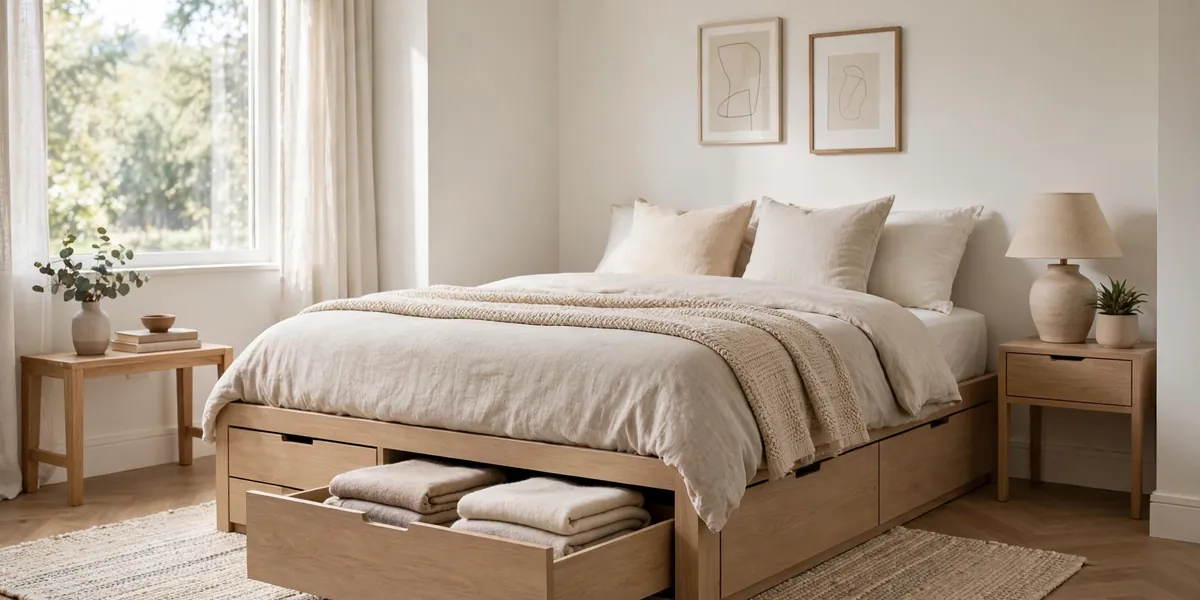
A storage bed combines sleeping space with storage in the same footprint. Some designs carry drawers underneath the mattress; others open up to a compartment beneath it — either way, the storage a separate chest would have provided is already built in. A storage ottoman at the foot of the bed works the same trick on a smaller scale. Both are strong multifunctional options for small bedrooms.
Use Low-Profile and Freestanding Furniture
Low-profile furniture keeps a compact bedroom from feeling visually crowded: simple shapes and modest heights do not dominate the walls. Freestanding pieces add flexibility, too, since dressers and chests can be repositioned whenever your layout changes, and low-profile pieces keep the visual weight down.
Make Use of Wall-Mounted Furniture
Wall-mounted pieces keep everyday items off the floor entirely:
- Floating bedside shelves
- Wall-mounted lighting
- Mounted shelving units
- A wall-mounted television instead of a media stand
Each one removes the need for another floor-standing piece. Just do not overdo it — walls overcrowd as easily as floors.
Maximize Storage With Vertical Space
When floor space runs out, look at the walls and the closet — vertical storage organizes belongings without adding more pieces to the room.
Use Tall Shelving and Narrow Dressers
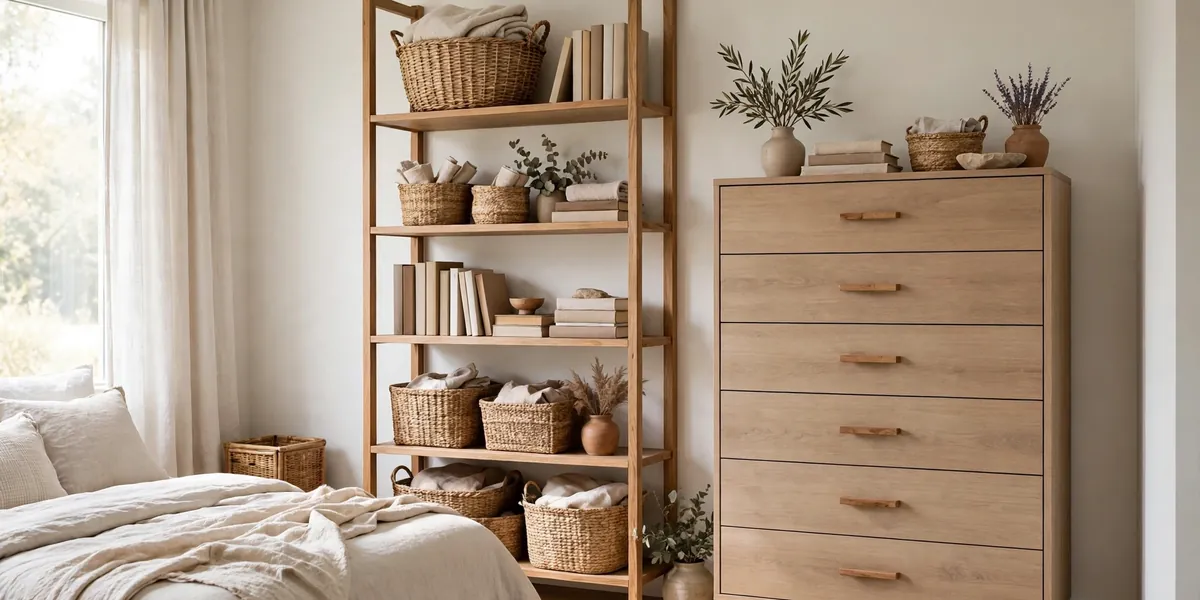
Tall shelving units store a great deal without spreading furniture across the floor — use them for books, baskets, and bedroom essentials. A narrow dresser makes the same point: it can hold nearly as much as a wide chest while asking for far less floor. Using height to increase storage is usually the biggest storage gain available in a smaller bedroom, a point BILTRITE makes in its guidance on compact rooms.
Make Better Use of Closet and Under-Bed Storage
Before you add another dresser, look hard at the storage you already have. Your closet may have room for extra shelving or a small storage unit, and organizing it vertically usually frees up more space than people expect. Under-bed storage handles the rest: low bins hold extra linens and seasonal clothing, the things you need a few times a year — and all of it costs far less than new furniture.
Make a Small Bedroom Look Bigger
A good arrangement improves more than function — the right use of light, mirrors, and decoration can make a compact bedroom feel less crowded.
Use Mirrors and Natural Light
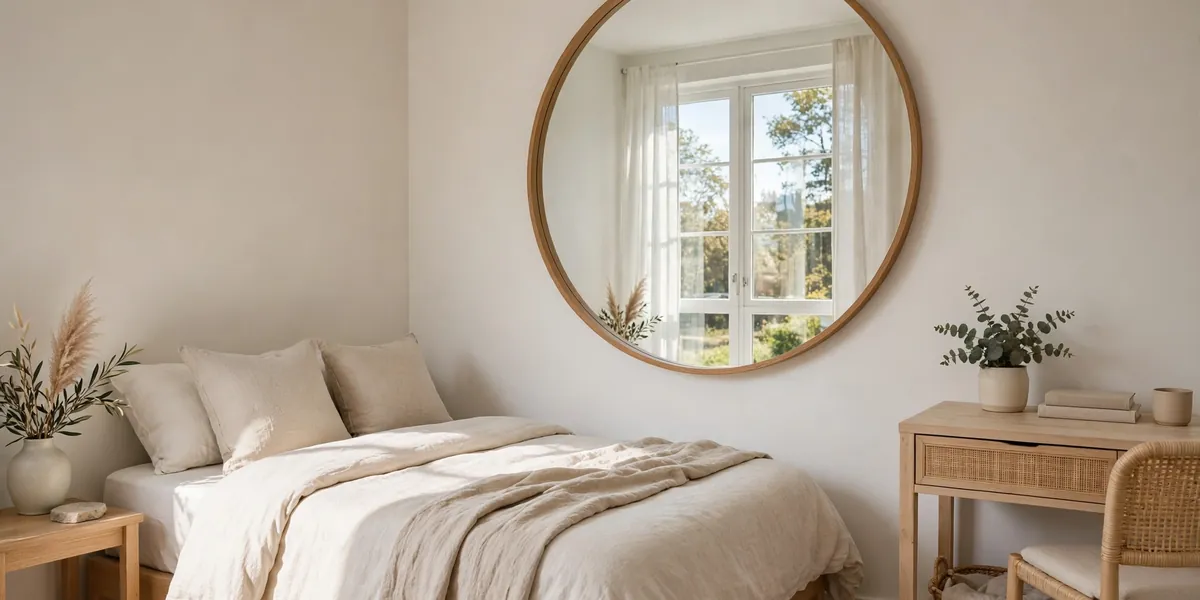
A mirror reflects available light and creates a greater sense of visual depth. Place one where it can catch natural light from a window and throw it back into the room. Just as important, avoid putting large furniture directly in front of windows — keep the path of the light open.
Choose Lighting and Furniture Finishes Carefully
Lighting deserves real attention in a compact bedroom. A bulky bedside lamp can swallow valuable table space, where a wall-mounted light gives the same illumination and leaves the surface free. Finishes matter, too: lighter colors create an airy effect, but dark furniture is not automatically wrong. Balance is what counts — darker pieces work when the walls, bedding, and lighting around them stay lighter.
Use Rugs to Create Visual Balance
A bedroom rug visually connects the bed and the furniture around it. Think about position before size: a rug placed partly underneath the bed helps define the sleeping area, while if the bed sits in a corner, the rug usually works better beside it. Keep it purposeful — a rug should complete the arrangement, not chop up the floor space you worked to protect.
Adapt the Layout to Your Room’s Shape
Not every small bedroom has the same proportions — a layout that works in a square room can feel awkward in a narrow one. Let the shape lead.
Narrow Bedroom Arrangements
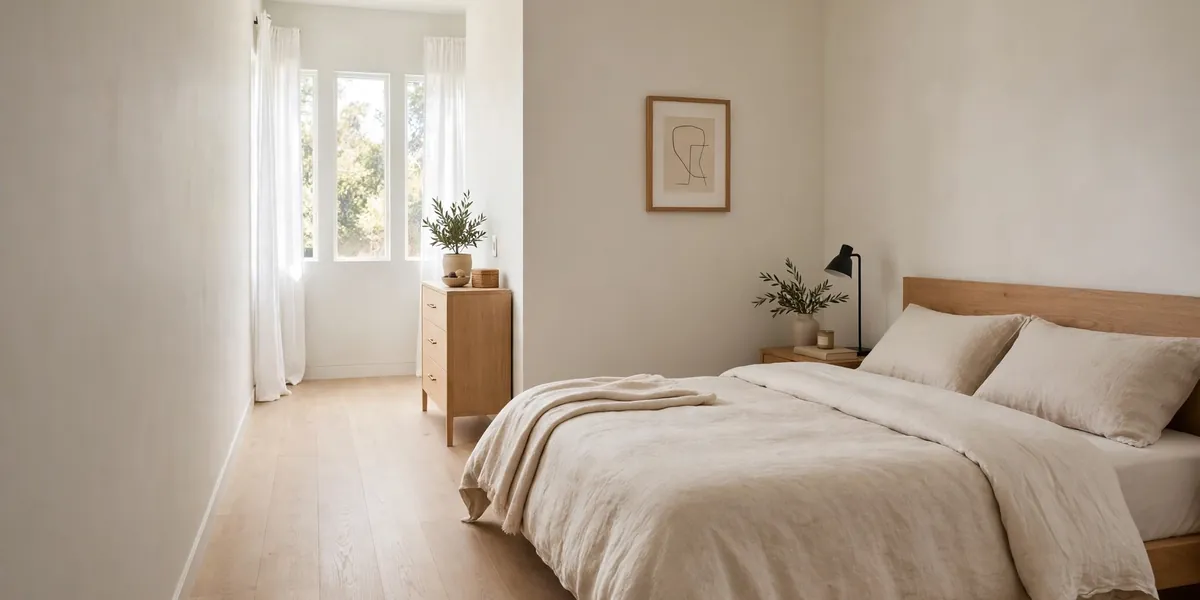
In a narrow bedroom, avoid spreading large furniture across both long walls — the room becomes a corridor with obstacles. Place the bed against a suitable uninterrupted wall; if the room is particularly tight, the corner arrangement covered in the bed-placement section above is the fallback, with the same access trade-off. Then position a slim dresser where it does not interfere with movement.
Square Bedroom Arrangements
A square bedroom usually offers more flexibility, and a centered bed arrangement is often on the table. Put the bed against the main wall and check whether both sides keep enough usable space; if they do, compact nightstands can complete the layout. Keep the dresser on another suitable wall, drawers accessible and entrance clear.
A Worked Example: A 10 x 12 ft Bedroom
Here is how those numbers come together in one real-sized room: a 10 x 12 ft bedroom with a queen bed, about 60 inches wide and 80 inches long. Center the bed, headboard first, against the 12 ft wall, and it leaves roughly 42 inches on each side — enough for an 18-inch compact nightstand on each side while still keeping about 24 inches to walk past, the workable minimum. The bed’s length leaves about 40 inches between its foot and the opposite wall — a comfortable walkway. One narrow dresser, about 36 inches wide, fits the leftover stretch of side wall past the foot of the bed; keep about 36 inches clear in front of it so the drawers open fully, with the foot-of-bed walkway providing most of that space. Skip a second chest — under-bed bins handle the overflow, and the room keeps some open floor.
Very Small Multifunctional Bedrooms
Some bedrooms have to be more than sleeping spaces — a desk has to fit as well. That is where multifunctional furniture earns its place. A wall bed, also called a Murphy bed, folds up into a cabinet when it is not in use and hands the floor back to the room. Closet America identifies wall beds as a practical option for rooms that serve several functions, though they need more planning.
Common Small Bedroom Arrangement Mistakes
A few avoidable mistakes make a small bedroom harder to live in. Watch for these:
1. Buying furniture before measuring the room. A dresser may look modest online and still overwhelm the wall it lands on. Measure first.
2. Blocking doors and closets. Furniture should never stop you reaching everyday storage. Check door swings and drawer openings before you finalize an arrangement.
3. Choosing too many small pieces. Several separate cabinets and tables create visual clutter. One functional storage piece often does the job better.
4. Ignoring vertical storage. Focusing only on floor-standing furniture leaves your most useful space — the walls — doing nothing.
5. Blocking natural light. Large furniture in front of a window steals the light that makes a small room feel bigger.
Conclusion
A comfortable small bedroom does not depend on having more furniture — it depends on making better decisions about the furniture you already have. Start with the bed, because its position influences almost every other choice, then work out which storage pieces you need and where each fits best.
Prioritize everyday function over perfect symmetry. A beautifully centered bed means little if you cannot reach your closet or open your dresser. Keep the layout simple, use the vertical space, and choose furniture that serves a clear purpose — that is the foundation of a bedroom that feels welcoming without wasting an inch.
Frequently Asked Questions
Where should you put a bed in a small bedroom?
Place the bed against the longest suitable wall when the layout allows, and keep about 24 inches of walking space on the tightest side — 30 inches if you can spare it. A centered position works well in balanced rooms, while a corner arrangement may suit a narrow space better.
How do you arrange furniture in a narrow bedroom?
Start by positioning the bed along a suitable uninterrupted wall, keeping large pieces off both long walls so the room does not turn into a corridor. Then use a slim dresser — with about 36 inches clear in front of its drawers — and floating shelves to preserve as much floor space as possible.
How can you make a small bedroom look bigger?
Use mirrors to reflect natural light, placing one where it catches light from a window, and avoid blocking windows with large furniture. Choose low-profile furniture, favor lighter finishes, and keep decorative items to a minimum.
What furniture is best for a small bedroom?
Multifunctional beds, compact nightstands, narrow dressers, and vertical shelving are the most useful options. A nightstand roughly level with the top of the mattress, about 24 to 28 inches high, is the right scale — and every piece should earn its place against your storage needs and measurements.
Should a bed be centered or placed in a corner?
A centered bed creates a balanced look and gives access from both sides, provided each side keeps at least about 24 inches of walking space. A corner arrangement frees up more floor space for storage, but it makes one side of the bed harder to reach and changing the bedding more awkward.

jarvis
jarvis shares practical cleaning, home care, improvement and everyday living guides for Urban Home Guide readers.
Keep Exploring
Related Home Guides