- Your cart is empty Browse Shop
Furniture
How to Get Rid of Dog Gland Smell on Furniture Without Damaging It
You walk into the living room and there's that smell. Fishy, sharp, and nothing like normal dog odor. If you're wondering how to get rid of dog gland smell on…
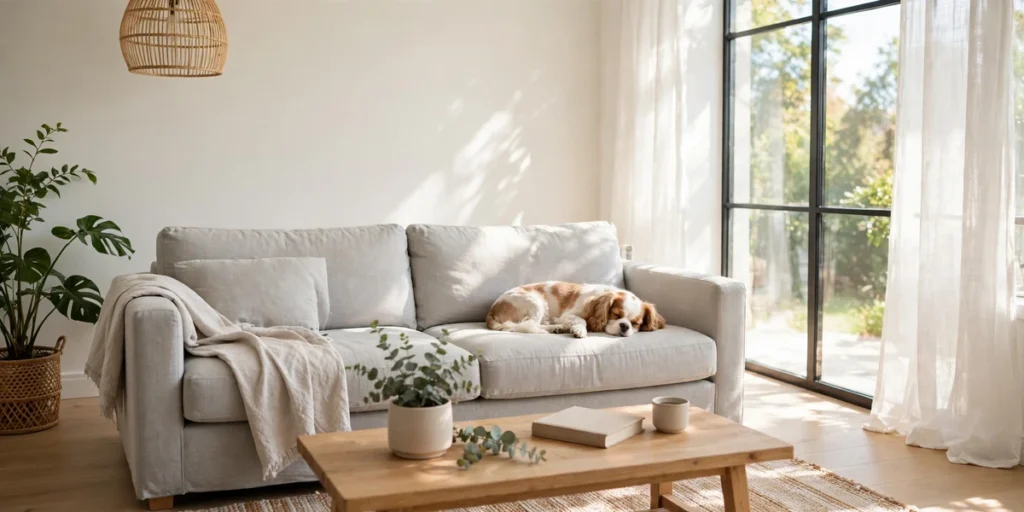
You walk into the living room and there's that smell. Fishy, sharp, and nothing like normal dog odor. If you're wondering how to get rid of dog gland smell on furniture, here's the short answer: blot the residue first, check the cleaning code on your sofa, then treat the spot with baking soda or an enzymatic cleaner. Skip the air freshener. It won't help, and the smell will still be there tomorrow.
This guide covers the method that actually works, the products to avoid, and how to stop the smell coming back — because cleaning the couch is only half the job.
What Dog Gland Smell Actually Is (and Why It's So Stubborn)
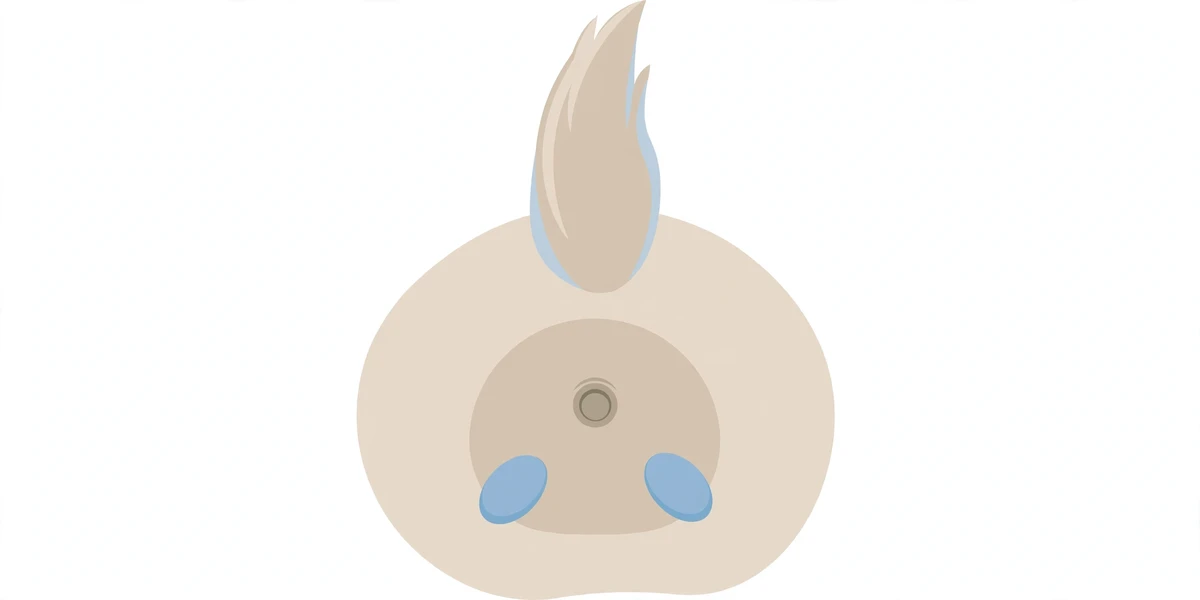
Dogs have two pea-sized sacs, called anal glands or anal sacs, sitting just inside the anus at roughly the 4 and 8 o'clock positions. VCA Animal Hospitals describes them as two small pouches on either side of the anus, and they produce a thick, oily fluid with a strong fishy smell. The Merck Veterinary Manual notes that the fluid is normally squeezed out in small amounts when a dog passes stool, and the scent helps dogs identify each other.
That's the key detail: the fluid is oily. It doesn't sit on the surface like water. It soaks into fabric fibers, padding, and the folds of leather, and it clings. That's why a room spray does nothing. You're smelling residue, not air, and residue has to be removed, not covered.
The smell usually lands on furniture in one of two ways. Either the dog leaked a little fluid while sitting or lying down, or it got frightened or excited and released some on the spot. Petco's veterinary Q&A explains that this often happens during moments of excitement. Dogs also rub against things to mark territory, so a couch your dog sleeps on every day can quietly collect fluid over time until one day the whole room smells.
Here's the thing most guides skip: the smell is also a clue about your dog. A healthy dog's glands empty on their own every time it passes a firm stool. When the smell keeps appearing, it often means the glands aren't emptying properly — soft stools, extra weight, allergies, or just the way a particular dog is built. Small breeds get this more often. We'll come back to that, because fixing the dog is what stops the couch from smelling again.
First, Find the Exact Spot
Don't start cleaning the whole sofa. Find the spot first, or you'll waste product on clean fabric and miss the part that actually smells.
Use your nose. Get close to the cushions and move along them slowly — the strongest concentration marks the spot. Look for dark or oily stains, usually where your dog sits or lies down most. Then run your hand over the surface. Gland fluid leaves a sticky residue you can feel, and that tells you exactly where to treat.
Mark the area with a piece of tape or a removable marker so you don't lose it once you start. Check the less obvious places too: the underside of loose cushions, the seams, the bed, and the carpet nearby. The smell travels further than the stain, so the spot you can see isn't always the only one.
How to Get Rid of Dog Gland Smell on Furniture
Work in order. Each step prepares the next one, and skipping ahead is how people damage fabric or lock the smell in.
1. Blot the Residue — Don't Rub
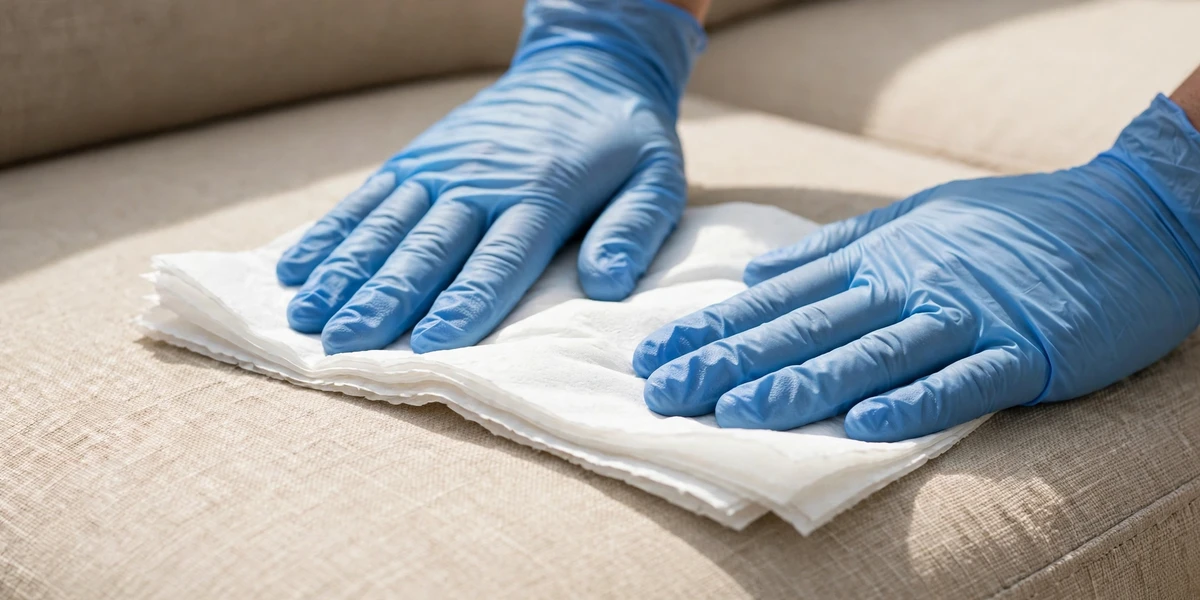
Move your dog off the furniture and put on disposable gloves. Then take clean paper towels and press them gently against the affected area. Lift, don't drag. Replace the towel when it gets soiled and repeat until you've picked up all the visible moisture.
This is the single most important rule in the whole process. Rubbing spreads the oily fluid deeper into the fibers and across a wider area, and once it's worked in, it's far harder to remove. Every reliable source says the same thing — Vetnique, AnimalDome, and the vets behind them all start with blotting, not scrubbing.
If the spot is already dry, you can skip straight to the next step. Blotting only helps while there's still moisture to lift.
2. Check the Cleaning Code Before You Touch a Bottle
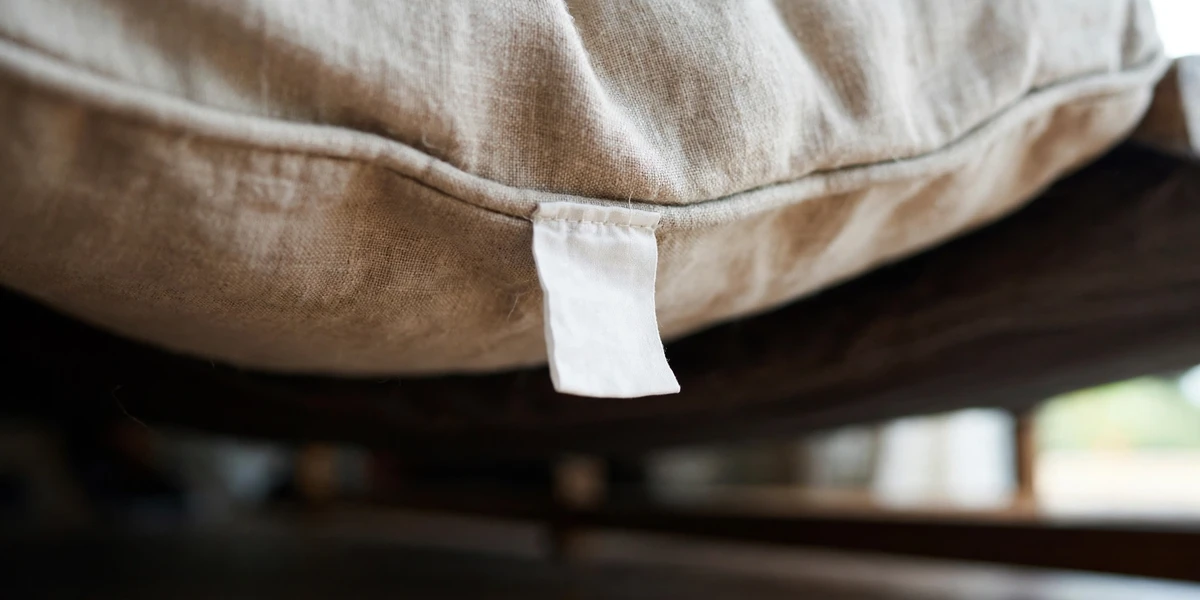
Before any cleaner goes near your sofa, find the cleaning code. It's usually on a tag under a removable cushion or on the furniture frame, and it tells you what the fabric can handle.
| Cleaning code | What it means |
|---|---|
| W | Water-based upholstery cleaners are permitted. |
| S | Solvent-based cleaner only — no water. |
| WS or W/S | Water-based or solvent-based cleaning may be permitted. |
| X | Vacuuming or light brushing only. |
This label is the rule that matters. An enzymatic spray might be perfect for a W-coded fabric and completely wrong for an S-coded one. If the label says X, don't apply liquid cleaners yourself — vacuuming and light brushing are the only options, and anything beyond that is a job for a professional.
3. Start With Baking Soda — the Cheapest First Try
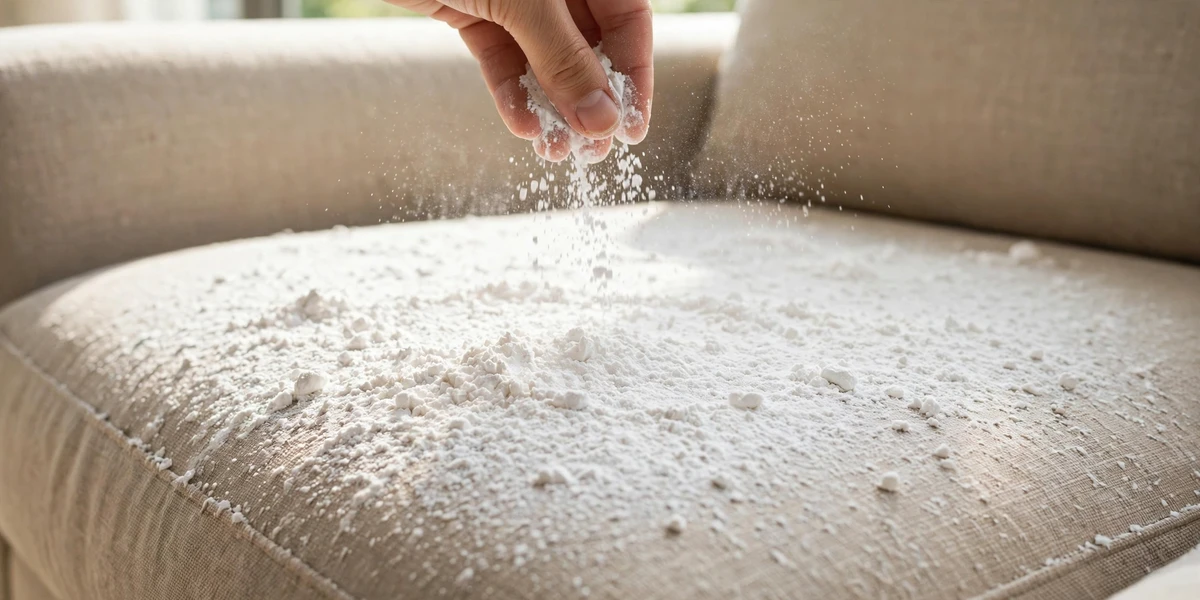
Baking soda is the best place to start because it's cheap, safe for most fabrics, and genuinely effective on surface odor. It's a natural odor neutralizer, which means it absorbs smells instead of covering them.
Sprinkle a generous amount over the affected area — enough to cover the spot in a visible layer so you can't see the fabric through it — and leave it for several hours or overnight. The longer it sits, the more odor it pulls out. Then vacuum it up thoroughly, and check the result before trying anything else.
Two things to get right. First, use baking soda, not baking powder — baking powder is baking soda mixed with other substances, so it won't work as well. Second, know its limit. Baking soda handles surface odor, but it can't reach residue that has soaked deep into the padding. If the smell is still there after vacuuming, that's your sign to move on to an enzymatic cleaner rather than repeating the same step and hoping.
4. Use an Enzymatic Cleaner for the Real Fix
If baking soda only took the edge off, an enzymatic cleaner is what finishes the job. These products contain enzymes — proteins that break down the organic compounds in pet secretions — so they destroy the source of the smell instead of masking it. That's why vets and professional cleaners recommend them for this exact problem.
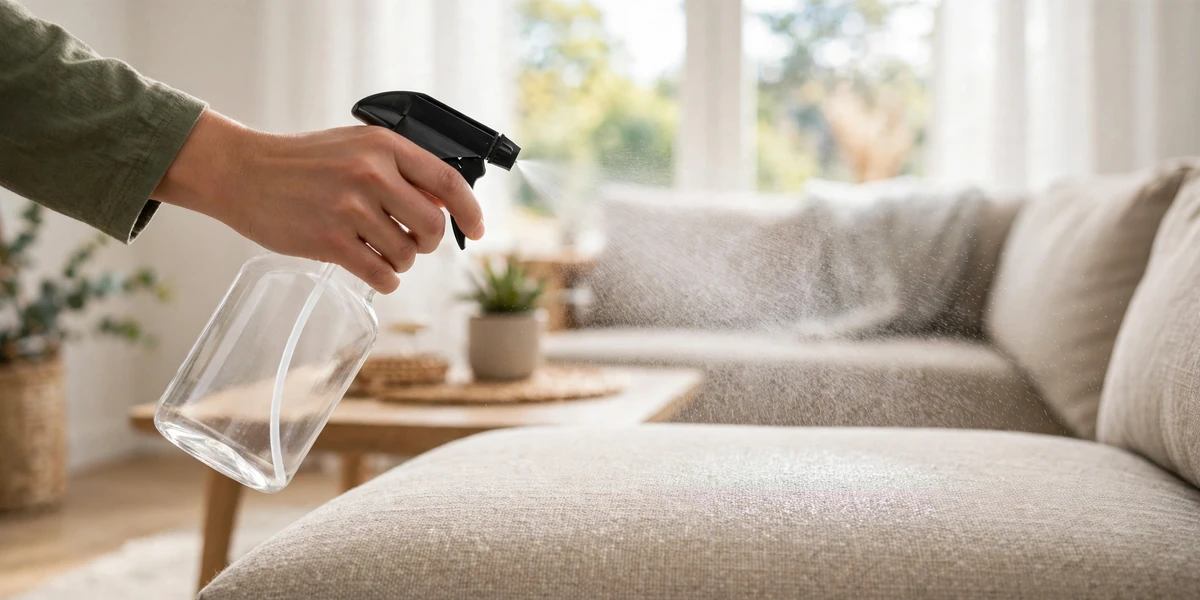
Pick a product that's specifically labeled for upholstery and compatible with your furniture's cleaning code. Look for an enzyme-based pet odor eliminator from a pet store — these are sold as "enzymatic" or "bio-enzymatic" cleaners, and the label should say they break down organic matter or pet odors. Then:
- Test it on a hidden area first and check for discoloration.
- Apply it generously to the affected spot. You need to saturate the area so the enzymes can reach as deep as the fluid went. Saturate means wetting the affected spot through to the padding — not drowning the whole cushion in liquid.
- Let it sit for the recommended time, usually around 10 to 15 minutes.
- Blot away the excess with a clean cloth.
- Let the upholstery air dry completely.
Don't assume more product means a better result, and don't soak the whole cushion. Too much liquid can leave water marks or a damp smell of its own. And give it time — enzymes work slowly, so the smell often fades as the fabric dries rather than the moment you spray.
For a cheaper option, a tablespoon of laundry detergent powder mixed with a quarter cup of apple cider vinegar makes a decent odor-fighting cleanser, though it struggles with old, ground-in smells. A biological washing powder works better than ordinary detergent for the same reason enzymes do — it contains them.
5. Wash Removable Covers Properly
If your cushions have removable covers, take them off and wash them separately — it's the easiest win in this whole process. But check the washing instructions first, because not every cover is designed to come off or go in a machine. Don't force one off if it isn't meant to come off; you'll damage the stitching or the fit.
If washing is allowed, pre-treat the affected area with an approved product, then machine wash on the hottest setting the fabric allows. Adding an enzymatic laundry booster or white vinegar to the wash cycle helps. Air dry the cover, and do a sniff check before putting it back on the cushion. If you can still smell it, wash it again — putting a damp, still-smelly cover back on just moves the problem around.
What Not to Use on Your Furniture (and Why)
Most of the damage in this situation comes from the wrong product, not the dog. Here's what to keep away from your sofa and the reason for each one.
Bleach and harsh chemicals. These can damage fabric and finishes, and they're harmful to your pet. There's no version of this where bleach is the right answer for upholstery.
Ammonia-based cleaners. Ammonia smells similar to urine to a dog, which can encourage it to mark the same spot again. Worse, ammonia can chemically set the odor rather than remove it. You're making the problem permanent.
Too much water. Soaking a cushion doesn't clean it better. Excess liquid sinks into the padding and frame, where it can cause water marks, a damp smell, or mold. Use the smallest amount of liquid that does the job.
Heat and steam on a fresh stain. This one catches people out. AnimalDome notes that for protein-based stains, heat can sometimes set the stain and odor, making it much harder to remove. So don't reach for the steam cleaner first. Steam can help as a last resort on some fabrics, but only if the care label allows it, and never as the opening move.
Undiluted vinegar. Diluted white vinegar (equal parts vinegar and water, sprayed lightly and blotted dry) is a reasonable deodorizer. Undiluted, it's too harsh for some surfaces and leaves a strong smell of its own.
Rubbing alcohol. It can remove odors, but it can also damage certain fabrics and finishes. Not worth the risk when safer options exist.
Pineapple juice. It shows up in forums as a home remedy, and it can work on the smell — but it stains many fabrics. You'd be trading one problem for another.
Strong fragrances and air fresheners. These mask the smell for a few hours and irritate your dog's nose. The residue is still there. If a product's main selling point is how it smells, it's not cleaning anything.
Cleaning by Furniture Material
The same spill behaves differently on every material. Here's how to think about it.
Fabric and Cushions
Fabric sofas are the worst for this smell because the fibers are porous and trap the oily fluid. Thick, plush fabrics like velvet and chenille hold odor the longest, and the padding underneath absorbs whatever the surface lets through. Work through the steps above in order, and if the smell survives the first treatment, check the cushion's underside and the seams — that's where residue hides.
Leather and Faux Leather
Leather is less absorbent than fabric, but it's not immune. If the fluid isn't cleaned up quickly, the smell can seep in, and the folds and crevices in leather trap it. Don't use a fabric enzymatic spray or baking soda on leather without checking first. Read the leather care instructions and use a suitable leather cleaner only when the label permits it. Faux leather varies by material and finish, so test any product in a hidden spot first. For expensive leather, a professional is the safer choice.
Wood
Wood is less likely to hold odor than fabric, but untreated or porous wood can absorb it, and joints and cracks harbor the scent. Wipe the area with a damp cloth and a mild cleaner, dry it straight away, and don't let liquid sit in the joints.
Delicate and Antique Upholstery
Expensive and antique fabrics are delicate and stain easily. Don't experiment on them with household mixtures. A professional upholstery cleaner can assess the material before treatment, and paying for that advice is far better than risking permanent damage to a valuable piece.
The same rule applies to other materials too. Different furniture needs different care — rattan, for example, has its own cleaning method, which is why our guide to how to clean rattan furniture covers it separately.
When the Smell Won't Go Away
Sometimes the odor stays even after the visible mess is gone. That doesn't mean you need a new sofa — but it does mean the first attempt didn't reach everything.
Go back and check the places people miss: the underside of loose cushions, the seams and edges, the areas under removable covers, the bed, and the carpet nearby. If you find another affected spot, treat it the same way. Don't keep soaking the same place over and over; if two proper treatments didn't fix it, the residue has reached material that surface cleaning can't reach, like the cushion interior or the frame padding.
That's when a professional upholstery cleaner is worth the money. They have high-powered extraction machines and industrial-strength enzymatic cleaners that pull residue out of padding instead of just treating the surface. When you call, tell them the odor comes from dog anal gland fluid — that detail helps them choose the right treatment.
And here's the honest version: if even a professional can't get it out, the cushion or the piece may be done. Acme Canine puts it plainly — if nothing works, you may just need new furniture. It's not what anyone wants to hear, but it's better than living with a sofa that smells every time the room warms up.
How to Stop the Smell Coming Back
Cleaning the couch fixes today. Stopping the smell means fixing the dog, because the glands are the source.
Firm Up Your Dog's Stools
This is the root cause, and it's the part most cleaning guides ignore. Firm, bulky stools press on the anal sacs during bowel movements and squeeze the fluid out naturally. Soft stools don't apply enough pressure, so the fluid builds up, thickens, and leaks.
Fiber is what firms stools up. That can mean a high-fiber dog food or a fiber supplement, and the Merck Veterinary Manual notes that supplemental fiber may be recommended to increase fecal bulk. Talk to your vet before changing your dog's diet — they'll tailor the advice to your dog's breed, age, and health. And keep your dog hydrated, because water intake affects stool consistency too.
Keep the Rear Clean
A quick wipe of the perianal area after your dog has been outside or after a bowel movement stops secretions reaching the furniture in the first place. Use pet-safe wipes, preferably unscented or mildly scented, so you don't irritate the skin. If the smell has already spread onto the coat, give the dog a targeted bath with a mild, dog-safe shampoo, focusing on the rear end, the tail base, and the inner thighs. Regular soap often can't break down the oily secretion, so an enzymatic formula works better. After drying, do a sniff check — if the odor is still concentrated around the anus, the glands are still leaking and the underlying issue isn't resolved.
For routine care, bathe your dog every 4 to 6 weeks and brush several times a week. Brushing removes loose hair and dander that can carry secretions onto furniture, and it distributes the coat's natural oils evenly.
Protect the Furniture
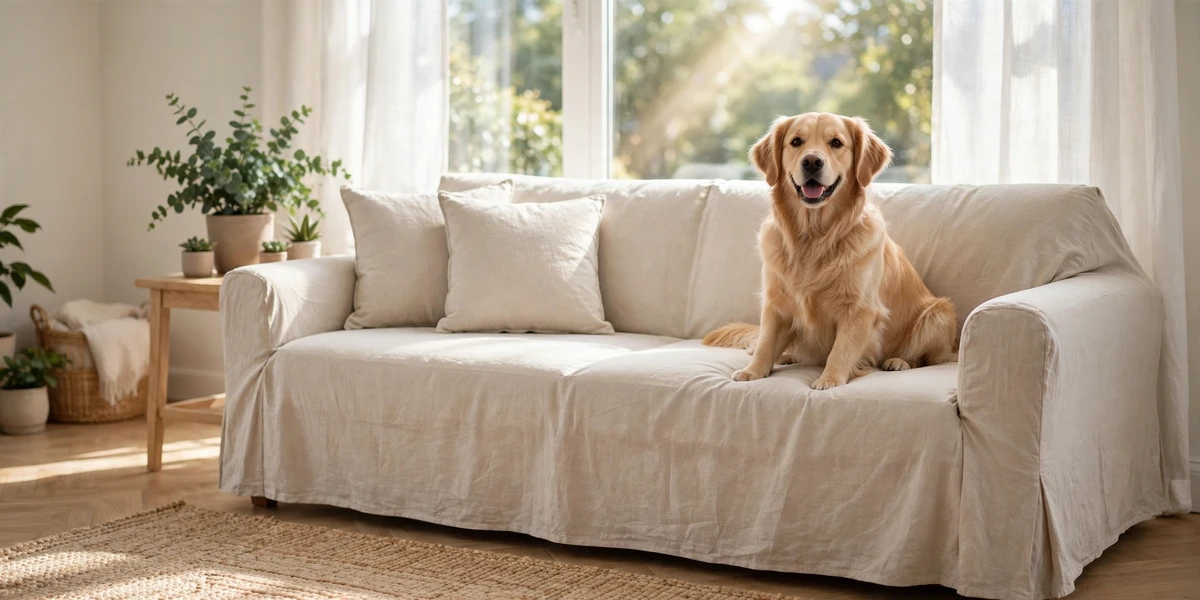
A washable slipcover or throw blanket on the spot where your dog sleeps is the simplest protection there is. When the smell appears, you take the cover off and wash it instead of deep-cleaning a sofa. A designated dog bed in the same room helps too — it gives your dog its own place and keeps the fluid off your furniture most of the time.
Keep Your Dog at a Healthy Weight
Excess weight pushes the glands deeper and reduces the muscle tone needed for natural emptying, which is one reason overweight dogs get this problem more often. Regular exercise and sensible portions keep the glands working the way they should.
When the Smell Means a Vet Visit
A mild, occasional whiff is normal. A pattern is not. See a vet if you notice any of these:
- Constant odor. Glands that leak continuously are likely impacted or infected.
- Visible discharge, blood, or pus. This signals infection or an abscess and needs treatment, sometimes with oral or topical medication.
- Scooting. Dragging the rear across the floor is how a dog relieves pressure from full glands. Occasional scooting after a bowel movement is nothing, but daily scooting means something is wrong.
- Swelling, redness, or heat around the anus. This points to inflammation or an abscess. A hot, painful lump beside the anus needs same-day attention — left alone it can burst, and a ruptured abscess is an open, infected wound.
- Obsessive licking or biting near the tail. That's a pain response, not a habit.
- A sudden new problem. If your dog never had this issue and it starts out of nowhere, that change itself is a warning sign. It can mean an impaction or an infection that needs checking.
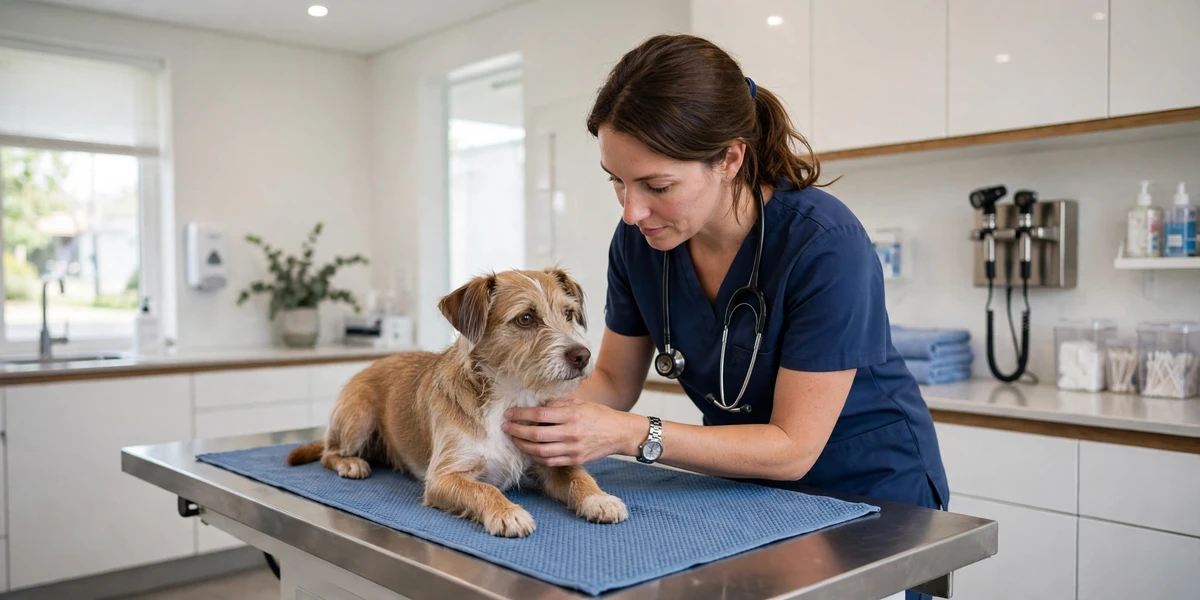
Don't try to drain or squeeze a painful swelling yourself, and don't make a habit of expressing the glands at home. Most dogs never need their glands expressed at all — healthy sacs are best left alone — and repeated manual expression can cause inflammation and scarring over time, as 4FurBaby notes. If your dog does need regular expression, let your vet or groomer do it, and let your vet check for impaction, infection, or abscesses at the same time.
One more thing worth knowing: a fishy smell isn't always the glands. Dental disease is the most common cause of bad breath in dogs generally, and a fishy smell from the mouth can come from periodontal disease — or from a dog licking leaking glands, which spreads the smell to its breath. If the odor seems to come from your dog's mouth rather than its rear, that's a different problem and a different vet visit.
Conclusion
Dog gland smell on furniture is unpleasant, but it's fixable, and it doesn't mean your sofa is ruined. My view is simple: blot first, read the care label, and let an enzymatic cleaner do the heavy work. Baking soda is the cheapest first try, and washable covers make the next incident a laundry problem instead of a furniture problem.
But don't stop at the couch. If the smell keeps coming back, the glands aren't emptying properly, and that's a dog problem, not a furniture problem. Firmer stools, a healthy weight, and a vet visit when the signs point that way will do more for your living room than any cleaner on the shelf.
Frequently Asked Questions
How do you get dog anal gland smell out of a couch?
Start by blotting visible residue with clean paper towels — never rub. Then check the furniture's cleaning code and use a compatible enzymatic cleaner, letting it sit for 10 to 15 minutes before blotting and air drying.
Does baking soda remove dog gland smell from furniture?
Baking soda helps with surface odor on suitable upholstery. Sprinkle it generously, leave it for several hours or overnight, then vacuum thoroughly. It may not reach residue that has soaked deep into the padding.
Can I use an enzymatic cleaner on my sofa?
Yes, if the product is labeled for upholstery and compatible with your furniture's cleaning code. Saturate the affected area, let it sit for the recommended time, then blot and air dry. Always test a hidden area first.
Can steam cleaning remove dog anal gland odor?
Steam cleaning can help as a last resort on some fabrics, but heat can set a protein-based stain, so check the care label first and never use steam as your opening move.
Why does my dog keep leaving a fishy smell on furniture?
Repeated fishy odors usually mean the glands aren't emptying properly — soft stools, extra weight, allergies, or the dog's build. If it keeps happening, ask your veterinarian to examine your dog.

Muhammad Muaz
Muhammad Muaz shares practical cleaning, home care, improvement and everyday living guides for Urban Home Guide readers.
Keep Exploring
Related Home Guides