- Your cart is empty Browse Shop
Furniture
Is a Rug Furniture? Understanding Its Place in Home Decor
Is a rug furniture? Usually, no. A rug is generally classed as a soft furnishing or a decorative floor covering, not as furniture. But don't let that label fool you.…
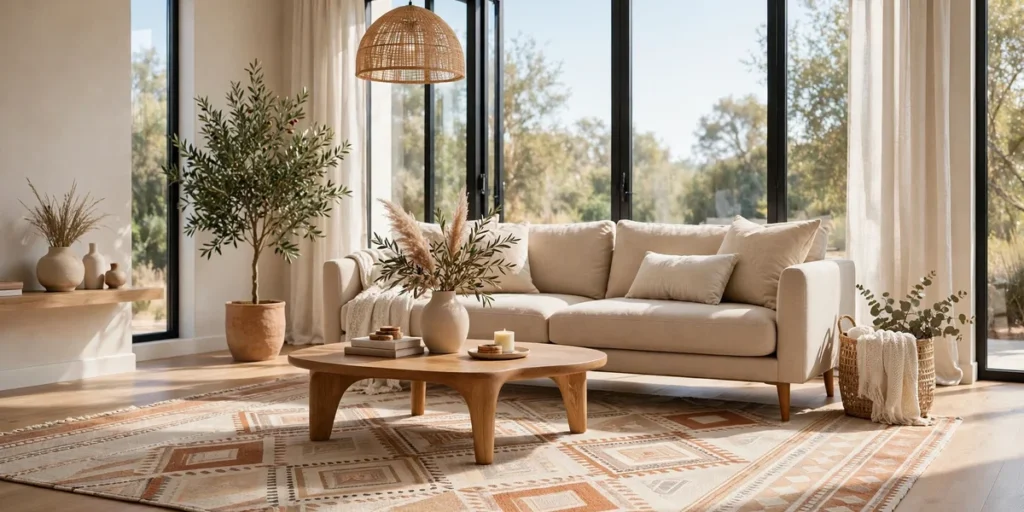
Is a rug furniture? Usually, no. A rug is generally classed as a soft furnishing or a decorative floor covering, not as furniture. But don't let that label fool you. A rug pulls furniture together, marks out separate areas in open spaces, and makes hard floors feel warmer underfoot. The full answer is more useful, and it comes down to what furniture actually means.
According to Mannat Rugs, rugs generally fall under soft furnishings, home decor accessories, and textile floor coverings. That makes calling a rug furniture technically wrong in traditional interior design terms. Still, the distinction matters for a practical reason: it changes how you shop for a rug, where you place it, and what you expect it to do.
Is a rug furniture, or is it a soft furnishing?
A rug is generally considered a soft furnishing rather than traditional furniture. The difference comes down to purpose. Furniture supports an activity. A sofa gives you a place to sit. A dining table gives you a surface for eating. A bed supports sleep, and a cabinet stores your things. A rug works differently. It covers part of the floor and connects the furniture around it, and it adds comfort and style to the room.
That doesn't mean a rug is useless, though. It softens hard floors, cuts down echoes, and protects the flooring underneath heavy pieces. Rugs are textile floor coverings and decorative furnishings, which puts soft furnishing as the better label. The rug's job is real. It just isn't the same job as a chair or a table.
What actually counts as furniture?
Before you sort a rug into a category, it helps to pin down what furniture means. Furniture generally refers to movable household objects that support a specific activity. Merriam-Webster defines it the same way: movable articles, such as tables, beds, and chairs, used to make a room ready for use. Common examples are sofas, chairs, tables, desks, beds, dressers, and cabinets, and they all share the same traits.
- Physical structure: each piece has a defined shape or frame.
- Practical purpose: each piece supports an everyday activity.
- Direct use: people sit, sleep, work, or store things with it.
- Movability: most pieces can be moved or repositioned.
A rug shares only the last trait. You can roll it up and move it to another room, but being movable doesn't make something furniture. A rug has no frame and offers no structural support or storage. It improves the space around it instead of carrying a direct function.
Why rugs are classified as soft furnishings
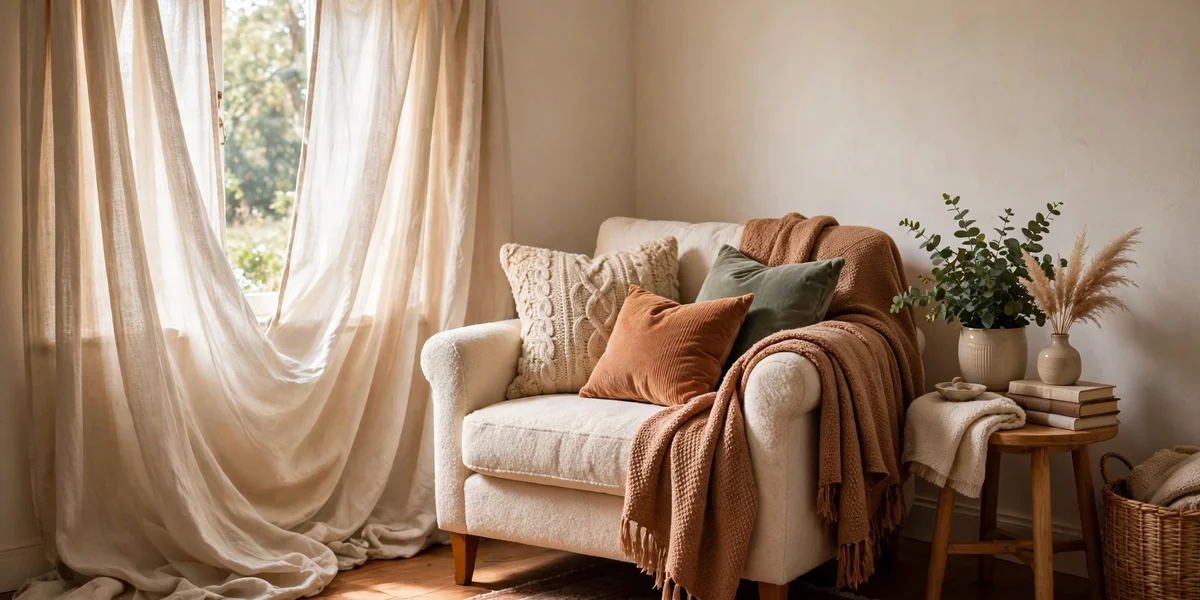
Soft furnishings are textile-based items that make a room look and feel better. Curtains, cushions, throws, and rugs all sit in this group. They all add comfort or style without doing the structural work of conventional furniture. A cushion makes a sofa softer. A curtain dresses a window. A rug warms up a bare floor. None of them holds you up or stores your belongings, yet a room without them feels unfinished.
Here is how the common pieces line up:
| Household item | Main category | Primary purpose |
|---|---|---|
| Sofa | Furniture | Seating |
| Coffee table | Furniture | Surface for everyday use |
| Bed | Furniture | Sleeping |
| Curtains | Soft furnishings | Window covering and decoration |
| Cushions | Soft furnishings | Comfort and decoration |
| Throw blankets | Soft furnishings | Warmth and decoration |
| Area rug | Soft furnishings | Floor covering and room styling |
The table makes the split clear. Furniture does the heavy lifting in a room, while soft furnishings finish it. Both matter, and a room with well-chosen furnishings often feels more complete than one with furniture alone.
The functional role of rugs in interior design
So if a rug isn't furniture, what does it actually do? It does five jobs that show up in everyday use. Mannat Rugs points to them as visual, spatial, protective, comfort-related, and acoustic roles.
Adding visual interest
A rug can be one of the main visual features in a room. Its pattern, color, and texture change how the furniture around it looks. A bold pattern adds contrast to a room with plain furniture, while a neutral rug calms a room where the furniture already has strong colors. A rug doesn't have to match every piece. It just needs to suit the room's design.
Defining spaces in open layouts
Open-plan homes mix several activities into one large space. A living area might share the floor with a dining space or a home office, and walls aren't there to separate them. A rug draws those lines instead. It marks out the lounge, the dining area, the entryway, or the workspace without adding a single wall. It's easy to see why this is one of the most useful jobs a rug can do: you get clear zones without losing the open feel.
Protecting floors and improving comfort
Furniture presses down on the floor beneath it, day after day. A rug adds a layer between the furniture and the flooring, which helps protect the surface in busy spots. It also makes hard floors feel kinder underfoot. That matters in rooms with hardwood, tile, or concrete, where bare feet meet a cold, hard surface. The rug sits between your feet and the floor, and the room feels softer for it.
Reducing noise and creating a comfortable space
Hard floors bounce sound around. Footsteps echo, chairs scrape, and voices carry further than you'd like. Rugs absorb some of that sound and cut down echoes and footstep noise. That makes them handy in apartments and any room where noise travels too easily. Their acoustic role doesn't change their category, though. They stay floor coverings and soft furnishings.
Can a rug ever function like furniture?
Yes, sometimes. A rug can do a furniture-like job in the right situation, even though it isn't classed as furniture. The line blurs when a floor textile becomes the surface for an activity. Think of a mat used for sitting, kneeling, or meditation. Or a thick floor cushion that supports you while you sit. In those cases the textile provides direct support for something you're doing, which is why rugs can sometimes act like furniture.
But the use doesn't rewrite the category. A decorative living room rug mostly shapes the room's look and layout, while a meditation mat serves a specific activity. The practical function changes with how you use the piece, yet the general category stays the same.
How rugs work with furniture in different rooms
Rugs and furniture work as a team, but the right setup changes from room to room. What works under a sofa won't work under a dining table.
Living room furniture and rugs
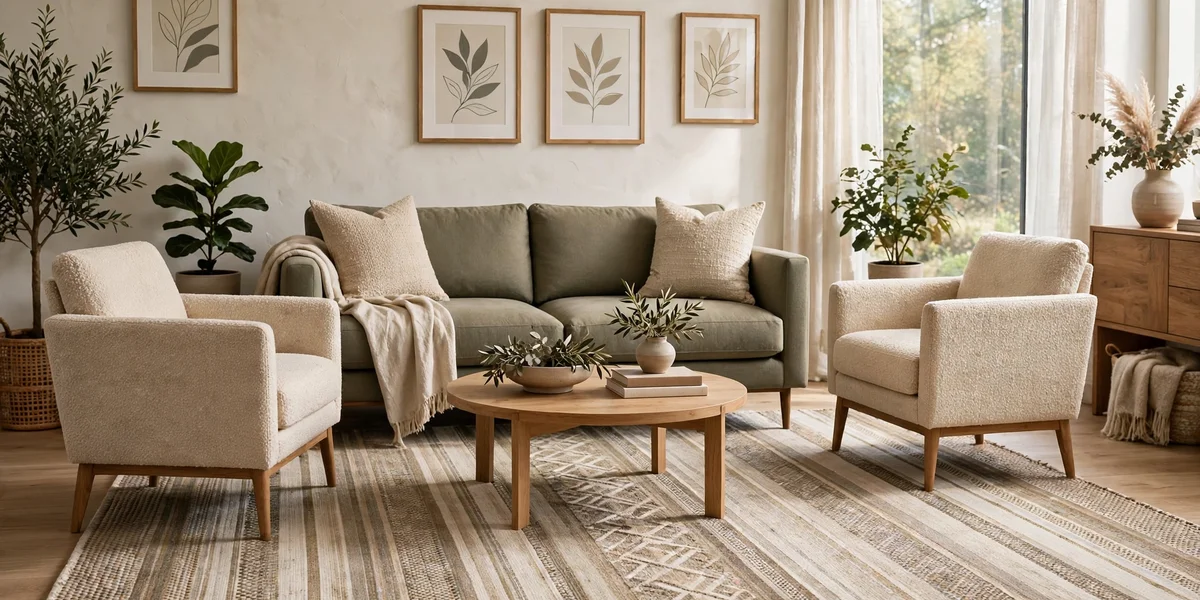
The living room is where area rugs show up most. A good rug pulls the sofa, coffee table, and accent chairs into one seating arrangement instead of letting them float apart. According to Rugs Direct, a practical approach is to place the front legs of the seating furniture on the rug. In larger rooms, you can go further and set all the furniture legs on it. As a size check, the rug should run at least 6 inches past each side of the sofa. The Spruce suggests 6 to 24 inches of rug beyond the furniture, depending on the room. What you want to avoid is a rug so small that only the coffee table sits on it. That leaves the seating looking disconnected, like the rug was an afterthought.
Bedroom furniture and rugs
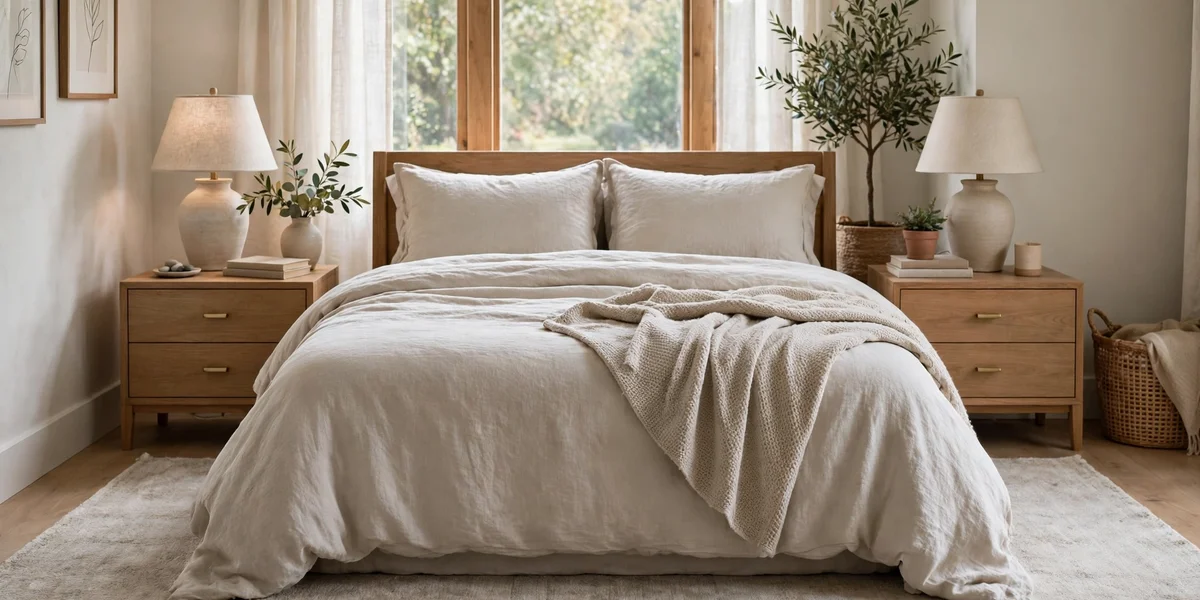
Bedroom rugs add a soft surface around the bed, so your first step in the morning lands on something warm. The Spruce recommends positioning a bedroom rug so it extends beneath the bed and relates to the surrounding furniture, including the nightstands and the floor space you have. As a size check, the rug should extend at least 18 inches past the sides and the foot of the bed. The rug should also connect the bed visually with the pieces near it. Room size still leads the decision, though. Measure first, then choose a rug that fits the space you actually have.
Dining tables and rugs
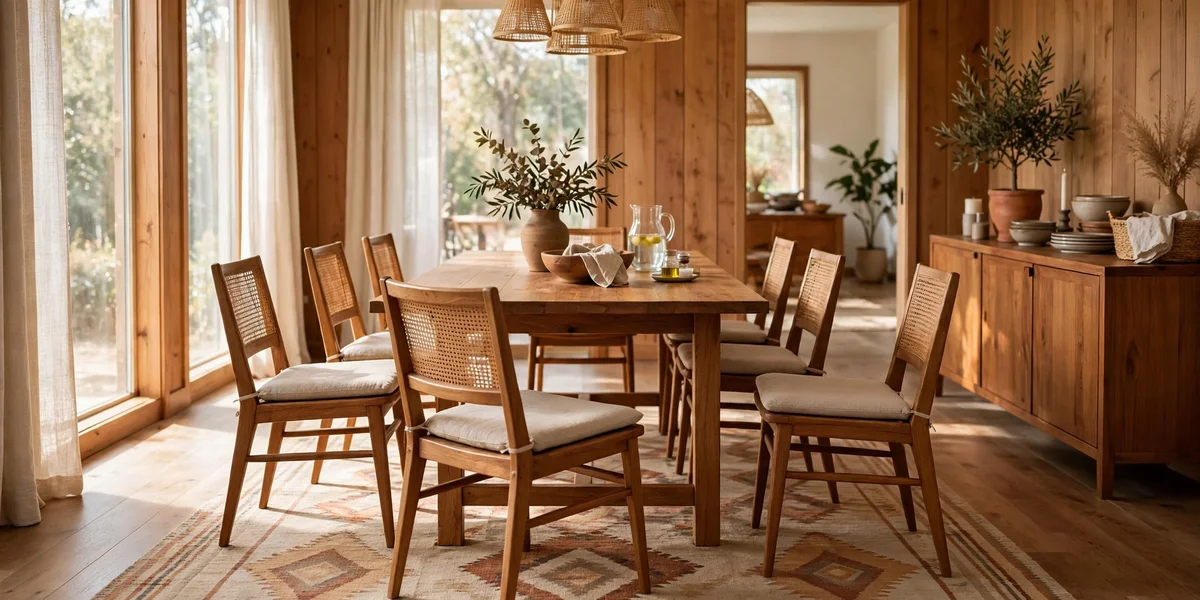
Dining rugs need a different approach. The table and chairs should read as one arrangement, and the rug has to fit the chairs even when they're pulled out. The Spruce recommends thinking about both shape and size before you put a rug under dining furniture. A round rug under a rectangular table can look awkward, especially when chair legs end up hanging off the edge. Match the rug's proportions to the table, and leave room for people to sit and stand. The Spruce recommends the rug extend at least 24 inches beyond the table on every side, so chair legs stay on the rug even when they are pulled out.
How to choose the right rug placement
Picking a rug is about more than finding a color you like. It has to work with the room's size and the furniture already in it.
Consider room size and furniture layout
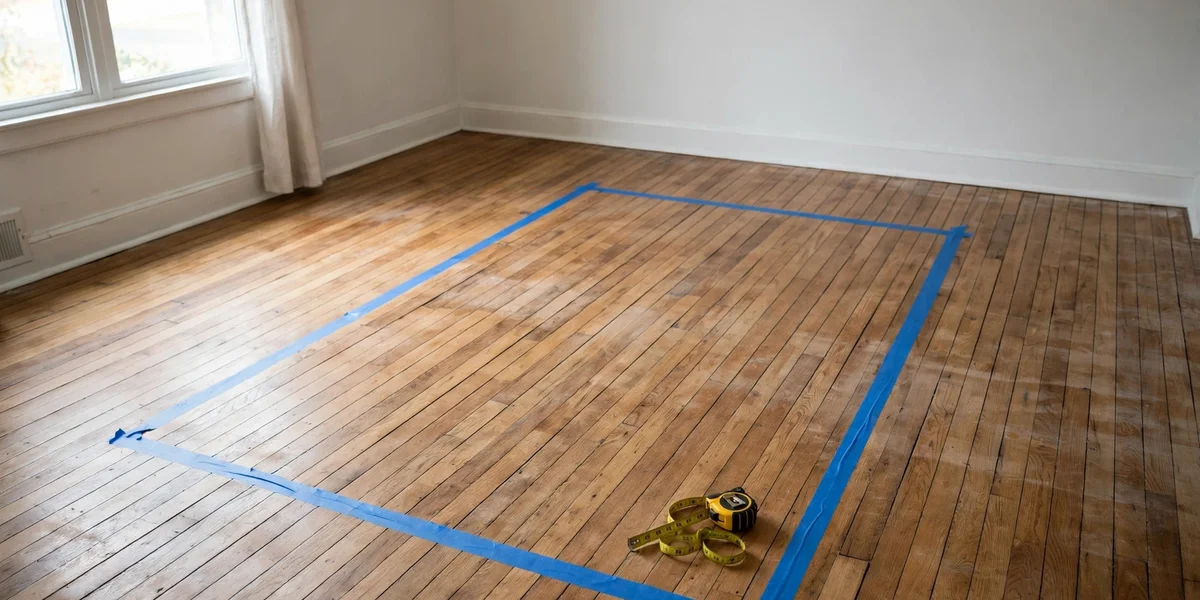
Start with the whole room, not just the empty floor. Look at the size and position of your sofa, the nearby chairs, the walking space, the coffee table, and the shape of the seating arrangement. Rugs Direct recommends adjusting placement to fit the room, with different guidance for smaller, medium, and larger living rooms. Before you buy, measure the room and the furniture. Painter's tape on the floor can mark out the rug's area so you can see the size in real life before you spend anything.
Keep furniture properly connected to the rug
The most common decorating mistake is a rug that's too small for the furniture around it. The seating ends up looking scattered, and the rug looks lost. Use one consistent approach instead. In a smaller room, still keep the front legs of the seating on the rug, and put a rug under just the coffee table only when the seating itself is small. In a medium room, connect the front legs of the main seating pieces. In a larger room, try placing the whole seating arrangement on the rug. A rug pad helps too. The Spruce notes that rug pads add stability, cushioning, and floor protection, and they stop the rug from creeping across the floor.
Avoid common rug placement mistakes
Keep these points in mind before you buy or place a rug:
- Don't choose a rug without considering the furniture footprint.
- Avoid arrangements where the rug looks disconnected from the seating.
- Consider the rug's shape alongside the furniture's shape.
- Keep normal walking paths clear.
- Don't forget the space dining chairs need when they're pulled out (at least 24 inches of rug beyond the table on every side).
The Spruce and Rugs Direct both stress the same thing: the rug's size and placement should follow the furniture, not the other way around.
Area rugs vs. wall-to-wall carpeting
People often use rug and carpet as if they meant the same thing. They don't always. The Spruce defines an area rug as an accent rug that doesn't reach the walls, and it can work as an alternative to wall-to-wall carpeting. The difference matters because the two are different products with different jobs.
| Feature | Area rug | Wall-to-wall carpet |
|---|---|---|
| Coverage | Covers part of the floor | Covers most or all of the room floor |
| Placement | Positioned within a room | Fitted across the floor |
| Movement | Usually removable and movable | Generally installed in place |
| Main category | Soft furnishing and floor covering | Flooring |
| Design purpose | Defines and decorates specific areas | Provides continuous floor coverage |
An area rug is a movable home furnishing, while wall-to-wall carpeting is a flooring material.
Furniture vs. furnishings: a simple comparison
Still unsure where the line sits? This comparison makes it plain. Mannat Rugs uses structure, body support, storage, and design function as the deciding factors.
| Comparison | Traditional furniture | Rugs and soft furnishings |
|---|---|---|
| Physical structure | Usually structured | Usually flexible |
| Main function | Supports household activities | Supports comfort and decoration |
| Storage | Some items provide storage | Not a primary function |
| Room styling | Helps organize the room | Adds visual connection |
| Floor coverage | Not its primary purpose | One of its main purposes |
The main difference is function: furniture gives direct physical support or utility, while soft furnishings make the space around it more comfortable and better looking.
Final Thoughts: Where Rugs Belong in Home Design
So where does a rug belong? With soft furnishings and home decor, not with traditional furniture. The label doesn't limit what it does, though. It connects furniture, marks out areas, softens hard floors, and changes how a whole room feels. Don't underestimate a rug just because it isn't technically furniture: a well-chosen one can make the furniture around it look more connected and the room feel more complete.
Frequently Asked Questions
Is a rug considered furniture or decoration?
A rug is generally considered a soft furnishing rather than traditional furniture. It serves both decorative and practical purposes, from tying a seating area together to softening hard floors.
Is a rug a soft furnishing?
Yes. Rugs sit in the same general category as curtains, cushions, and decorative throws. They are textile-based items that improve a room's comfort and appearance.
Can a rug be used as furniture?
A rug can serve furniture-like functions when it's used for floor-based activities such as sitting or meditation. That still doesn't make it traditional furniture, since its general category stays the same.
Is a rug the same as carpet?
No. An area rug covers a specific part of the floor, while wall-to-wall carpet covers the room's floor more continuously. Both are floor coverings rather than traditional furniture.
Should sofa legs sit on a living room rug?
Yes. Placing the sofa's front legs on the rug is a common arrangement, and Rugs Direct recommends it for connecting seating furniture visually. In larger rooms, all the legs can sit on the rug.

Muhammad Muaz
Muhammad Muaz shares practical cleaning, home care, improvement and everyday living guides for Urban Home Guide readers.
Keep Exploring
Related Home Guides