- Your cart is empty Browse Shop
Furniture
What Is Contemporary Furniture? A Complete Style Guide
Choosing furniture gets confusing when stores describe similar pieces as modern, contemporary, or minimalist. So, what is contemporary furniture? It is furniture that reflects the design styles and trends of…
Choosing furniture gets confusing when stores describe similar pieces as modern, contemporary, or minimalist. So, what is contemporary furniture? It is furniture that reflects the design styles and trends of the present day — not one fixed historical period. Clean lines, balanced colors, mixed materials, and practical shapes define the look, and because it follows what is current, the style keeps changing as tastes change. Here is how to recognize it, how it differs from modern and traditional furniture, and how to choose pieces that actually suit your home.
What Is Contemporary Furniture?
Contemporary furniture reflects the design preferences of the present day. It draws inspiration from current interior design trends, changing lifestyles, materials, and creative influences.
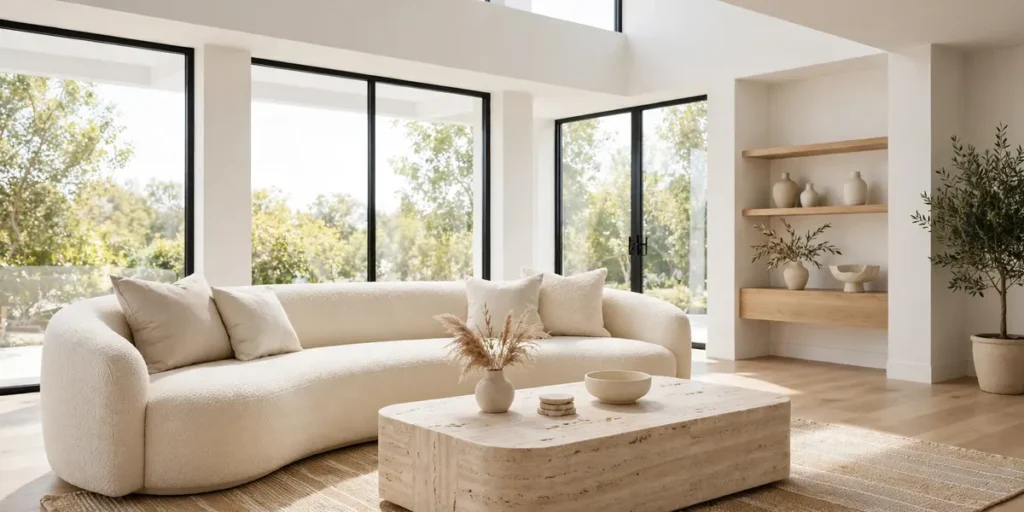
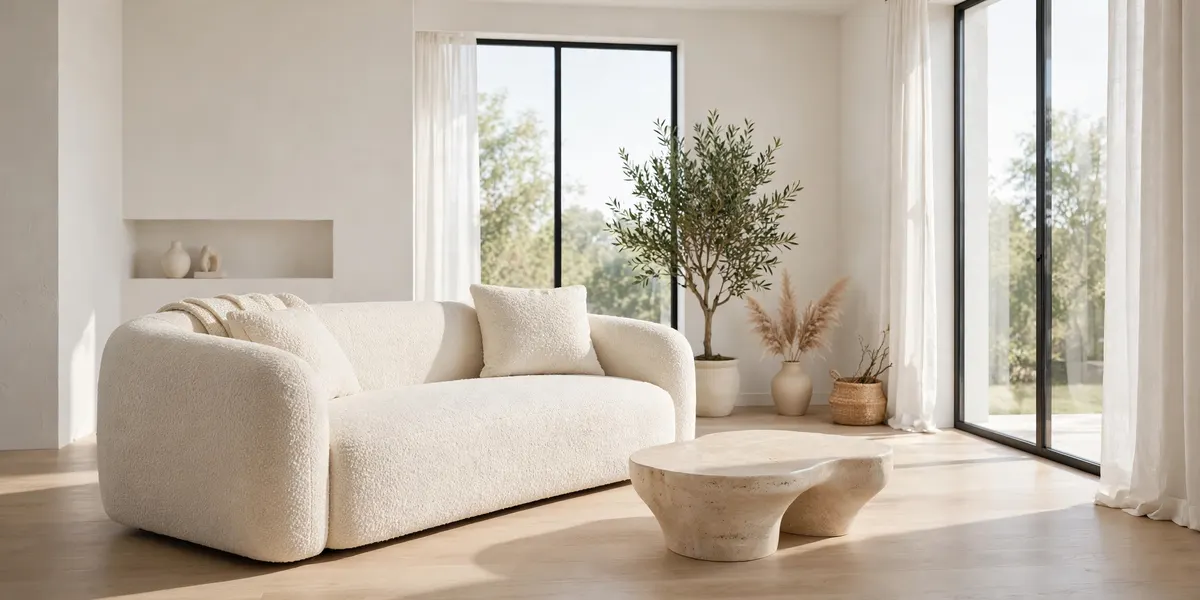
As Bassett Furniture puts it, contemporary design takes inspiration from whatever is popular at the current time — it does not follow one permanent design formula. A contemporary sofa might have a simple rectangular shape. Another might be a curved bouclé sofa with an unusual silhouette. Both can fit the contemporary category. The same idea applies to dining tables, chairs, bedroom furniture, and storage pieces.
The defining feature is its connection to current design, rather than one specific historical style.
Contemporary Furniture Is Always Evolving
Contemporary design changes as new ideas influence interior spaces. The Inside explains that contemporary interiors can borrow from modern design, Art Deco, and boho influences — its examples include mid-century-inspired sofas, rattan furniture, and colorful Danish-inspired dining chairs.
This flexibility explains why two contemporary rooms can look quite different. One may use understated furniture and neutral upholstery. Another might include a barrel accent chair in a bold fabric and a fluted-wood sideboard. Neither appearance automatically falls outside contemporary design.
Key Characteristics of Contemporary Furniture
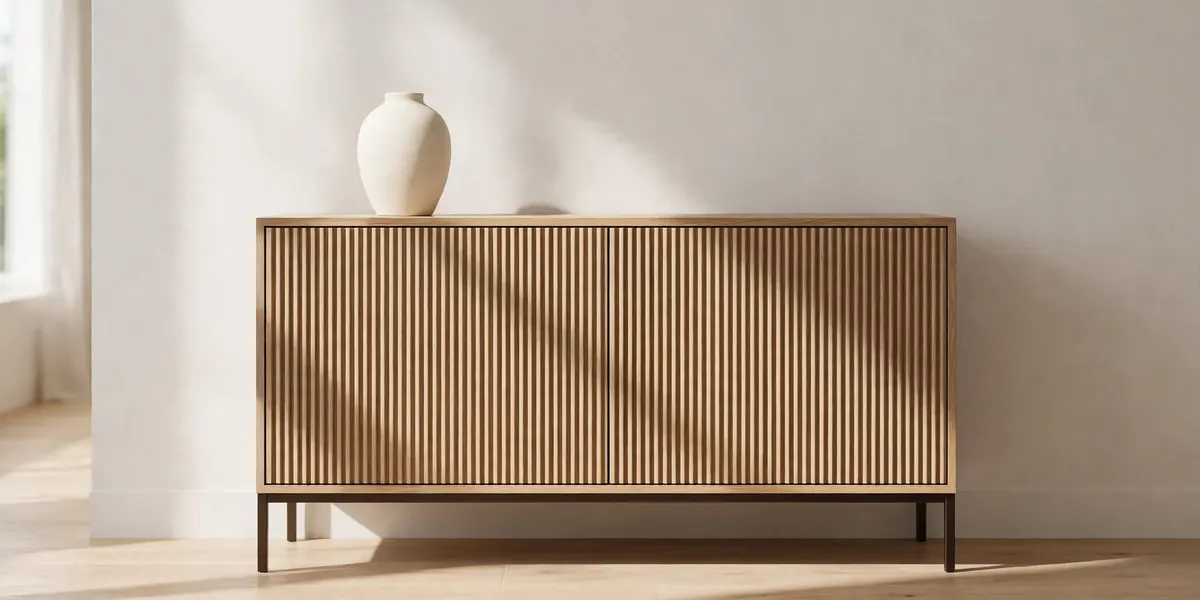
Although contemporary furniture doesn’t follow one fixed formula, several characteristics appear frequently. Understanding these features makes it easier to recognize the style when shopping or planning a room.
1. Clean Lines and Minimalist Shapes
Clean lines are among the most recognizable contemporary furniture characteristics. Furniture often features straightforward shapes without excessive decorative details. You’ll commonly find:
- Simple sofa silhouettes
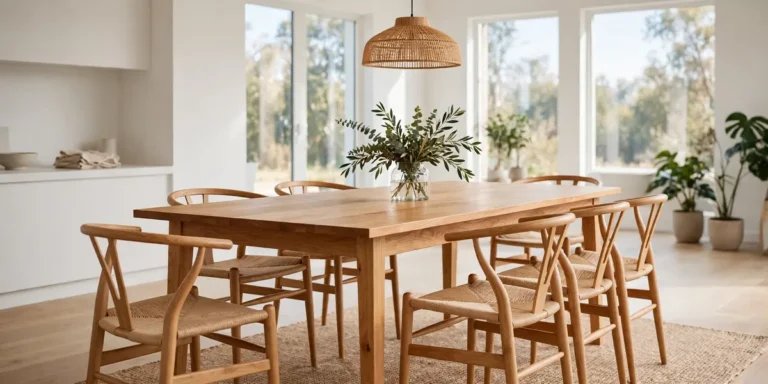
- Streamlined dining tables
- Uncluttered cabinet designs
- Geometric furniture shapes
- Straight edges combined with soft curves
Think of a low-profile sofa with slim track arms, or a dining table with a plain slab top on squared legs. However, minimalist doesn’t have to mean completely plain. A rounded chair, a sculptural travertine coffee table, or a distinctive curved sofa can become a focal point without making the entire room feel crowded. Bassett Furniture describes the style as combining clean lines, smooth textures, and occasional curves — the goal is visual simplicity, not removing every interesting detail.
2. Neutral Colors and Bold Accents
Contemporary furniture frequently uses a neutral color foundation. Popular choices include gray, black, white, and beige, and these shades create a restrained appearance that makes individual furniture pieces stand out.
However, contemporary interiors don’t need to remain completely neutral. You can introduce stronger colors through accent furniture, cushions, artwork, or other decorative elements — a rust-colored accent chair against a light gray sofa, for example. The key is balance: a room doesn’t need bright colors everywhere to look contemporary.
3. Materials, Finishes, and Textures
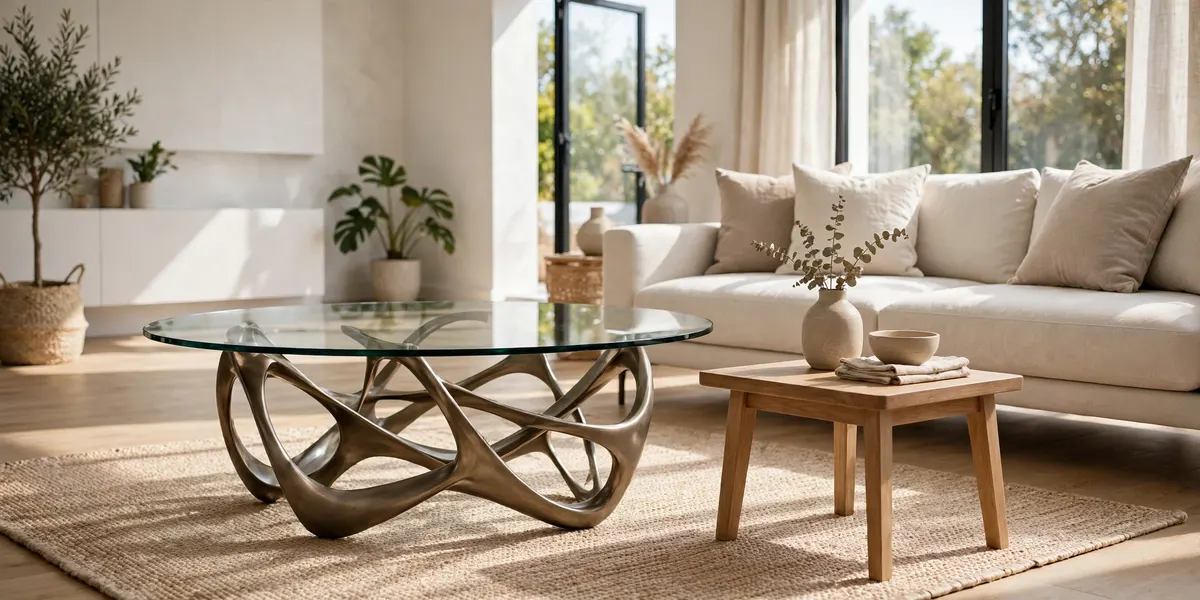
Contemporary furniture uses different materials to create visual interest:
| Material | How it contributes to the style |
|---|---|
| Wood | Adds natural texture and warmth |
| Glass | Supports a clean, streamlined appearance |
| Metal | Creates contrasting details and sleek finishes |
| Engineered wood | Provides another option for furniture construction |
| Molded plastic | Allows different shapes and contemporary forms |
| Leather and fabrics | Introduce texture and contrast |
Finishes also affect the overall appearance. Some pieces use smooth, glossy surfaces; others feature matte finishes or contrasting textures, such as fluted wood panels on a sideboard or a bouclé fabric on a chair. Combining materials makes a room more interesting without excessive decoration — wood paired with glass creates a different visual effect from an entirely wood-finished table.
Engineered wood is a good example of a material that suits the style well: it gives furniture makers a stable, consistent panel for cabinets, shelving, and storage pieces. Our guide to engineered wood furniture explains how it is made and where it works best.
4. Functionality and Flexible Designs
Contemporary furniture isn’t only about appearance — practical use also plays an important role. Multifunctional pieces such as storage beds and extendable tables are a clear expression of the style, along with modular components and possible technology integrations.
These features show how contemporary furniture can respond to different household needs:
- A storage bed combines sleeping space with additional storage.
- An extendable dining table provides flexibility when seating needs change.
- Modular furniture allows different arrangements.
- Furniture with integrated charging features combines furnishings with technology.
Not every contemporary piece needs these features. Think of them as possible expressions of contemporary functionality — a beautiful furniture piece should also make sense for the room where you’ll use it.
Contemporary Furniture vs. Modern Furniture
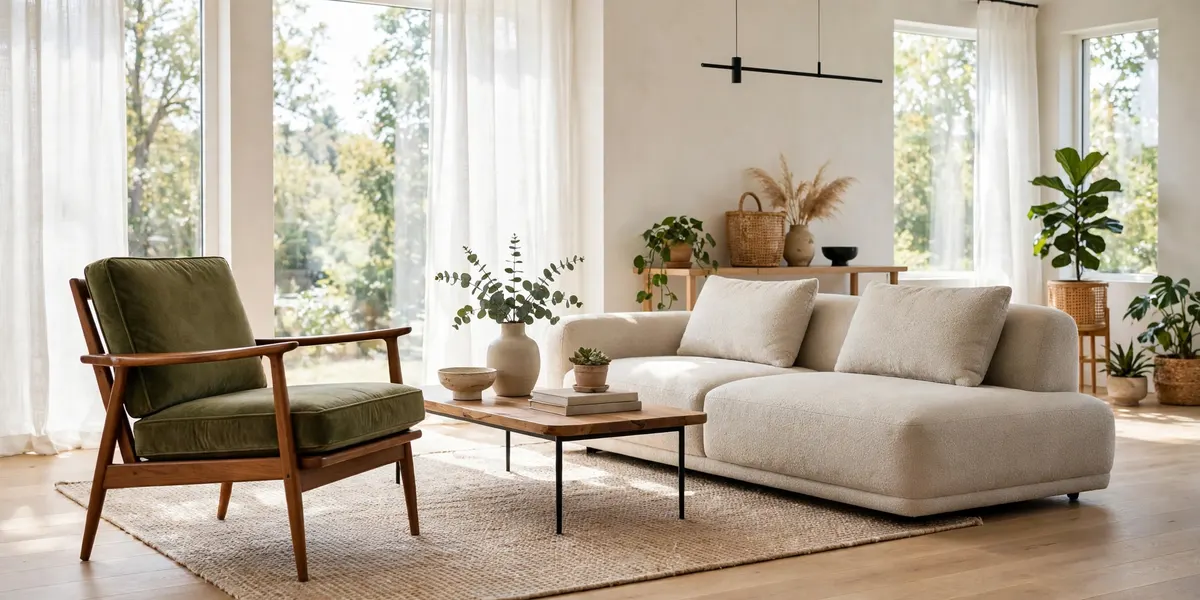
Contemporary and modern furniture are often confused because they can share similar visual features. Both styles can feature clean lines, simple shapes, and restrained decoration. However, their meanings are different: modern furniture refers to a particular historical design movement of the early-to-mid twentieth century, while contemporary furniture reflects current design preferences, whatever they happen to be right now.
Understanding the Difference
| Feature | Contemporary Furniture | Modern Furniture |
|---|---|---|
| Meaning | Reflects current design trends | Associated with a historical design movement |
| Time period | Changes over time | Connected to the twentieth century |
| Shapes | Can include straight lines and organic curves | Often features recognizable clean-lined forms |
| Materials | Can combine many contemporary materials | Commonly associated with wood, glass, metal, and other modernist materials |
Contemporary interiors can combine modern furniture with influences from Art Deco and boho design, so a room can contain modern furniture without being entirely modern in style. Likewise, contemporary furniture can take inspiration from modern design without belonging exclusively to it. If you come across the term MCM while shopping, that is mid-century modern — our explainer on what MCM means in furniture covers that style in detail.
The easiest distinction is this: modern describes a particular design tradition; contemporary describes what is current.
Contemporary Furniture vs. Traditional Furniture
Traditional furniture draws inspiration from historical design periods. Its appearance often includes decorative details, elaborate shapes, and established design elements. Contemporary furniture takes a different approach: it generally favors simpler silhouettes and less ornamentation, although individual pieces can still be expressive. Michael Alan Outlet highlights these differences through furniture shapes, materials, color palettes, and decorative details.
Differences in Shape, Materials, and Appearance
| Feature | Contemporary Furniture | Traditional Furniture |
|---|---|---|
| Design | Current and evolving | Influenced by historical styles |
| Decoration | Usually restrained | Often includes ornate details |
| Shapes | Clean lines and geometric forms | May include elaborate curves and detailing |
| Colors | Often neutral with accent colors | Frequently uses richer colors and patterns |
| Materials | Wood, metal, glass, and other contemporary materials | Often associated with traditional woods and rich textiles |
| Appearance | Streamlined and less formal | Often more decorative and formal |
Neither style is automatically better. Contemporary furniture may appeal to someone who prefers an uncluttered appearance, while traditional furniture may suit someone who appreciates historical details and classic forms. Your preference should guide the decision.
How to Incorporate Contemporary Furniture Into Your Home
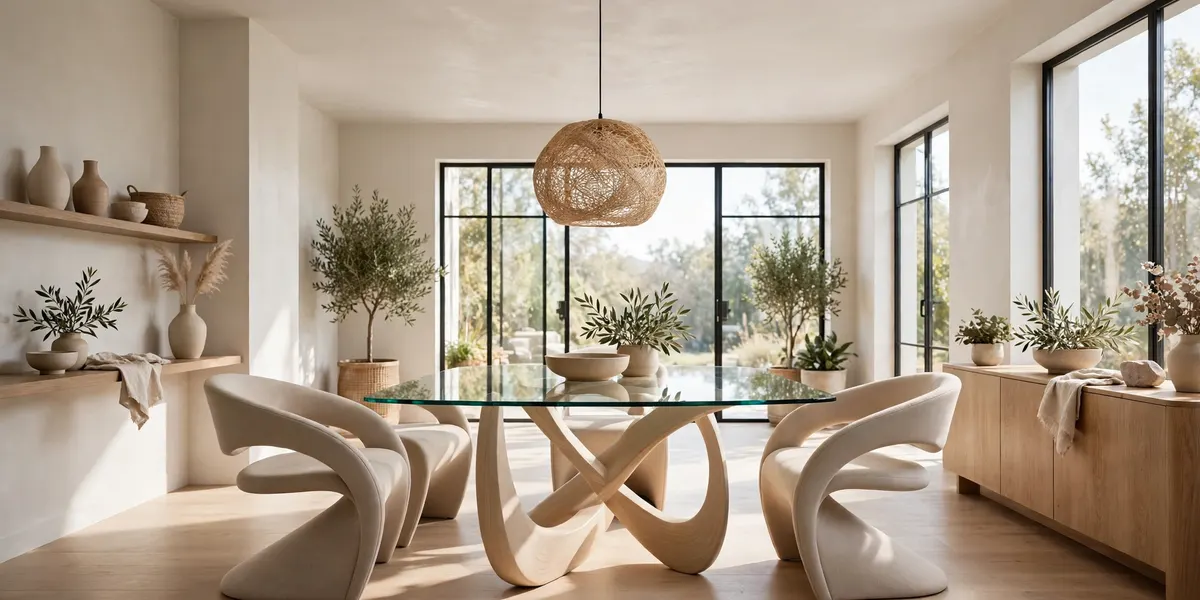
You don’t need to replace every piece of furniture to introduce contemporary design. Start from the room you already have — its layout, its light, and the decor that is staying — and introduce compatible pieces one or two at a time. Here are useful starting points.
Choose a Balanced Color Palette
Start by deciding which colors will dominate the room. A neutral foundation can include beige, white, gray, or black. Then consider introducing an accent color through furniture or decorative elements — for example, you could pair neutral upholstery with a more expressive accent chair. The result doesn’t need to look completely monochromatic. Instead, aim for a color combination that feels intentional.
Select Furniture That Fits Your Room
Furniture should suit the way you use the space. For a living room, a contemporary sofa can become the main visual feature, and a streamlined coffee table can complement it. In a dining room, a simple dining table and coordinated chairs can establish the style. For bedrooms, consider furniture that combines a straightforward appearance with practical use. Raised furniture legs are another characteristic worth looking for — they contribute to a lighter, airier appearance. However, the exact furniture choices should depend on your room’s layout and needs.
Mix Contemporary Pieces With Existing Decor
You can combine contemporary furniture with pieces from other design styles. In fact, mixing different influences is part of contemporary interior design — modern pieces sit comfortably alongside Art Deco-inspired and boho furniture. The useful approach is to create a visual connection between the pieces, through shared colors, materials, or finishes. This helps create a coordinated appearance without requiring every item to come from the same style, and it lets contemporary pieces complement your existing decor rather than overpower it.
Use Accessories and Lighting Thoughtfully
Accessories can add personality to an otherwise simple contemporary room, but too many decorative pieces can make the space feel visually crowded. Use a limited number of accessories, distinctive decorative pieces, and artwork to create focal points, and let in as much natural light as the room allows. Consider:
- A distinctive piece of wall artwork
- A sculptural decorative object
- An accent chair
- Simple window treatments
- A carefully selected decorative vase
The goal isn’t to leave the room empty. It’s to give important pieces enough visual attention.
Examples of Contemporary Furniture and Design
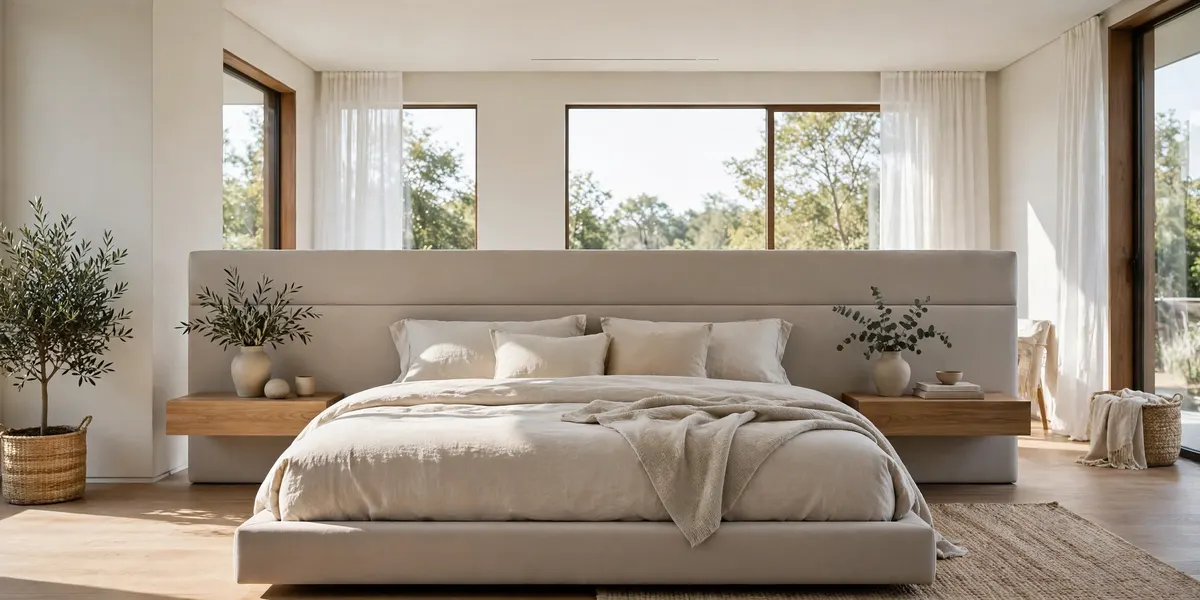
Understanding individual furniture categories makes contemporary design easier to recognize. The following examples show how its characteristics can appear throughout a home.
Sofas, Chairs, and Tables
In a living room, a contemporary sofa might be a low, curved bouclé piece or a simple rectangular one with slim arms — both are current, just in different ways. Chairs can combine simple structures with distinctive curves or interesting upholstery: a barrel chair or a molded dining chair, for example. An accent chair can introduce visual interest without dominating the room. Dining and coffee tables often mix materials — a glass top on a sculptural metal base, or a travertine side table beside a fabric sofa — and their shapes may be geometric, rounded, or sculptural.
Bedroom and Multifunctional Furniture
In a bedroom, the style usually appears as an upholstered platform bed with a plain, wide headboard, floating nightstands, and a dresser with flat, handle-free fronts. The overall appearance stays simple while material contrasts — fabric against wood, matte against gloss — keep it interesting.
Storage beds and extendable tables illustrate how contemporary furniture combines appearance with practical features: sleeping or seating space that adapts when you need it to.
One useful distinction: contemporary furniture doesn’t have to look futuristic. A simple, practical piece can fit the style just as well as something with a more unusual shape — as Monica James & Co. notes, contemporary and futuristic are not the same thing.
How to Choose Contemporary Furniture for Your Lifestyle
The right furniture depends on more than its appearance. Before choosing a particular piece, consider how it will fit into your home. Personal taste, room functionality, home architecture, and lifestyle all matter when selecting between furniture styles. Use these questions to guide your decision.
Does the Furniture Suit Your Room?
Consider the existing layout and the architecture of your home. A furniture style should complement its surroundings rather than compete with them.
Does It Serve a Practical Purpose?
Think about how you use the room. A statement piece may look appealing, but it should still make sense for everyday use.
Does It Work With Existing Furniture?
Look for visual connections between colors, materials, and finishes. A coordinated combination can include more than one furniture style.
Does the Design Reflect Your Taste?
Contemporary design changes with current trends, but you don’t need to follow every new direction. Choose pieces that you’ll feel comfortable living with.
Check the Build Quality Before You Buy
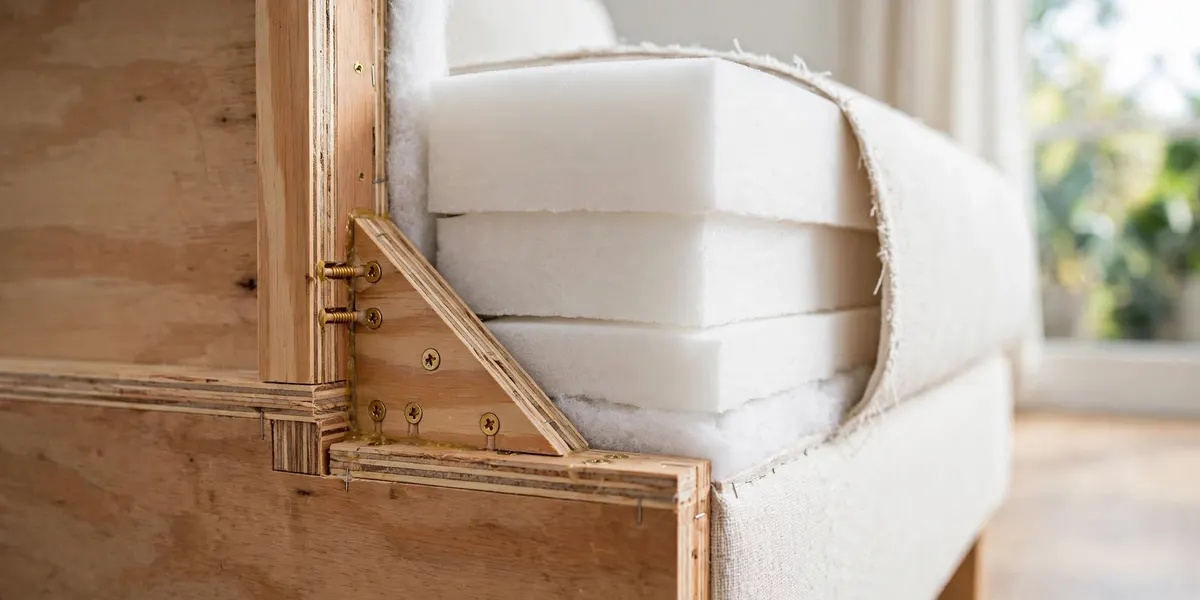
Style gets a piece into your home; build quality decides how long it stays there. Before paying, check three things:
- Frame and joints: On sofas and chairs, look for frames that are corner-blocked and joined with screws, dowels, or mortise-and-tenon joints. Frames held together with staples and glue alone loosen quickly.
- Cushion foam: Look for seat foam with a density of around 1.8 lb/ft³ or higher — that is the usual minimum for foam that keeps its shape, and true high-resilience foam sits higher still, around 2.5 lb/ft³. Cheap low-density foam (about 1.5 lb/ft³ or less) feels fine in the store and sags within a year or two.
- Upholstery and moving parts: For everyday use, look for tightly woven fabrics rated around 15,000 double rubs or more (the heavy-duty residential range), drawers that glide on metal runners, and doors that hang straight.
As a rough budget guide in the US, expect an accent chair around $250–$800, a coffee table around $200–$900, a well-built sofa around $900–$2,500 or more, and a dining set around $800–$3,000 — materials and brand move these numbers a lot. Within your budget, one well-built anchor piece usually beats three cheap ones.
Common Mistakes When Buying Contemporary Furniture

Across the furniture guides we publish, the same four buying mistakes come up again and again — and every one of them is avoidable.
Buying a Whole Matching Set at Once
A room where the sofa, chairs, tables, and storage all come from one matching set looks like a showroom, not a home. Buy the anchor piece first — usually the sofa or the bed — live with it, and add pieces that connect through color or material rather than matching exactly.
Choosing by Photo Alone, Without Measuring
Contemporary pieces are often low and wide, which makes them look smaller in photos than they are. Measure your room, check the piece’s dimensions against doorways and hallways, and mark its footprint on the floor with tape before ordering.
Chasing Every Trend
Because contemporary style follows what is current, it changes. If you build the whole room around this year’s most fashionable shape or color, it dates fastest. Keep the expensive pieces — sofa, bed, dining table — in lasting shapes, and let trends live in cheap-to-swap items like cushions, lamps, and artwork.
Ignoring Build Quality for the Look
A striking silhouette with weak joints and thin foam is a bad buy at any price. The checks above — frame, foam, fabric, moving parts — take five minutes and matter more than whether a piece looks perfectly on-trend.
Conclusion
Contemporary furniture is best understood as furniture for the way people live now, not as one fixed look you have to copy. Its appeal comes from the freedom to combine clean shapes, practical features, different materials, and influences from other styles.
My recommendation: focus on each piece’s shape, function, and fit with your room before worrying about whether it looks perfectly contemporary — and buy the best build quality your budget allows. A room put together that way will look current for years, which is a far better result than buying furniture simply because a store labels it contemporary.
Frequently Asked Questions
Is contemporary furniture the same as modern furniture?
No. Modern furniture belongs to a historical design movement from the twentieth century, while contemporary furniture reflects the design trends of the present day. The two can look similar, and contemporary pieces often borrow from modern design, but the terms aren’t interchangeable.
What colors are commonly used in contemporary furniture?
Beige, white, gray, and black form the usual foundation. Bold colors then appear in smaller doses — an accent chair, cushions, or artwork — so the room stays balanced instead of loud.
What materials are used in contemporary furniture?
Wood, glass, metal, engineered wood, and molded plastic are the common structural materials. Upholstery in leather or textured fabrics such as bouclé, and contrasting finishes like matte against glossy, complete the look.
Can you mix contemporary furniture with traditional furniture?
Yes. The two mix well when something connects them — a shared color, material, or finish. Match the connection, not the style, and the room will look coordinated rather than random.
Is contemporary furniture suitable for small spaces?
Yes, often more than other styles. Contemporary design favors streamlined shapes and multifunctional pieces — storage beds, extendable tables, modular sofas — that give a small room more use from the same floor space.

jarvis
jarvis shares practical cleaning, home care, improvement and everyday living guides for Urban Home Guide readers.
Keep Exploring
Related Home Guides