- Your cart is empty Browse Shop
Furniture
Mango Wood Furniture: Honest Pros, Cons, and What to Check Before You Buy
You’ve found a table you like. The tag says solid mango wood, the price looks fair, and then the doubt kicks in. Will it hold up, or will it crack…
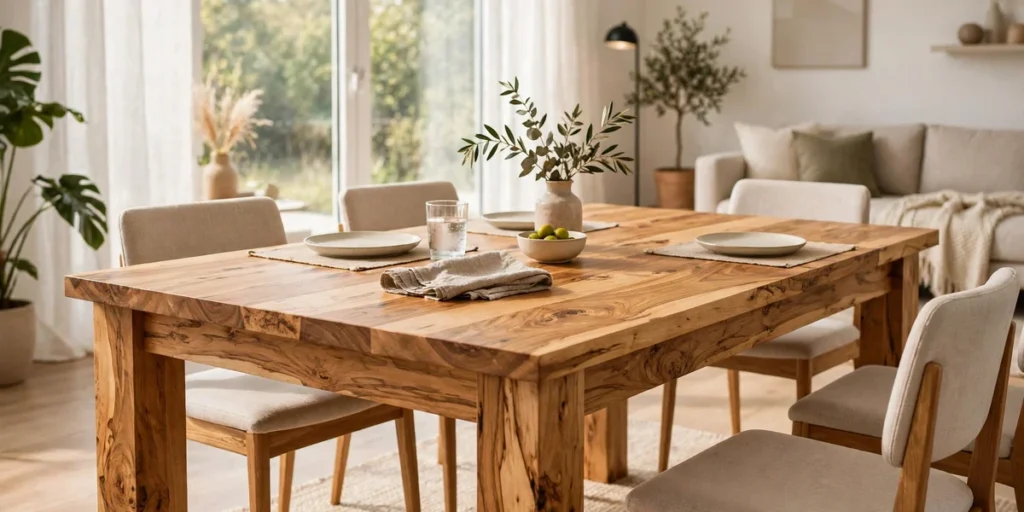
You’ve found a table you like. The tag says solid mango wood, the price looks fair, and then the doubt kicks in. Will it hold up, or will it crack and warp on you?
Reading up doesn’t settle much. One page calls mango wood water resistant and fine for the patio, while another says to keep it indoors. So, is mango wood good for furniture? My short answer is yes, as long as it stays inside and the maker did the job properly.
Here’s how I’d weigh it: what the wood is, what it does well, where it fails, and how to spot a well-made piece before you pay.
The Short Answer
Four things decide whether a mango piece turns out well:
- It lives indoors and gets sensible care.
- The wood was properly dried before anyone built with it.
- The finish is good.
- The construction is solid, because build quality counts as much as the species.
Is mango wood good for furniture? My honest verdict
My view is that mango wood is a good mid-range choice: a real hardwood with lively grain, usually cheaper than many other solid hardwoods, and a well-built mango table can outlast a poorly built one made from a fancier wood. One caution: much of what’s written about mango wood comes from people who sell it, so I’ll point out where their claims clash, especially on water and durability.
What Mango Wood Actually Is
Mango wood comes from the same tree that grows the fruit.
Where It Comes From
Mango trees are native to northeastern India, Bangladesh, and Myanmar. India is still where most mango wood is cultivated, though some is farmed in Kenya and China. Farmers grow these trees for fruit, not lumber. They cut them down once the trees stop bearing well, usually when yields decline after about 25 to 35 years.
Is Mango Wood Really a Hardwood?
Yes. Mango is a hardwood because it comes from a flowering tree. The label is about botany, not hardness, and balsa, one of the softest woods there is, is a hardwood too. That said, mango sits in the mid-range for hardness. The label matters less than how the wood is dried and how the piece is built.
What Color Is Mango Wood?
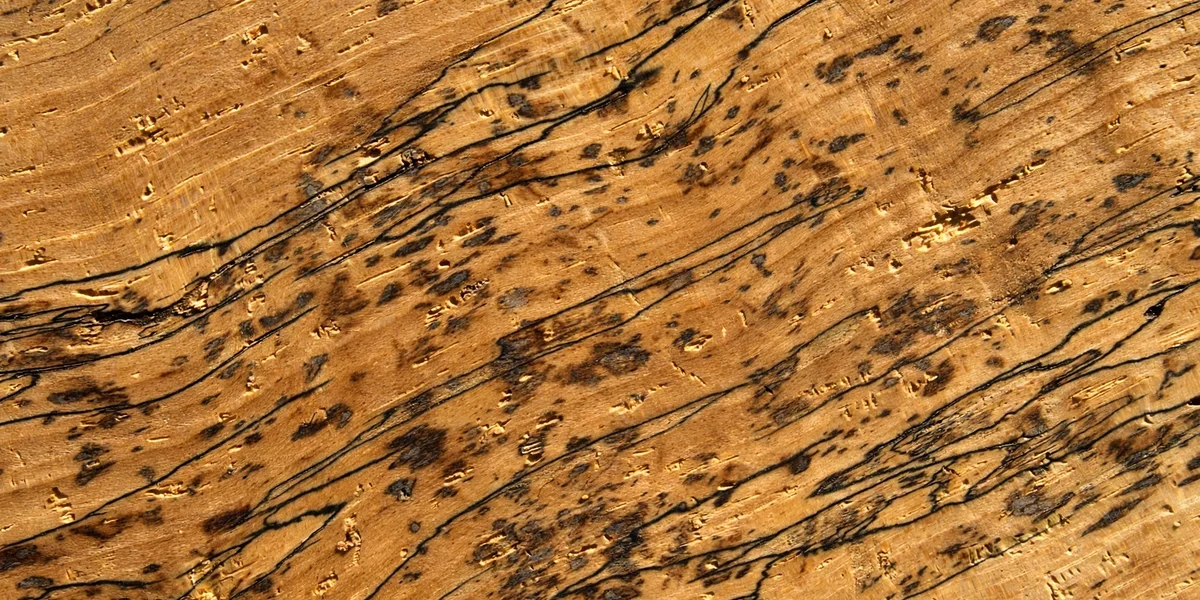
Most pieces are golden brown. Some lean yellow, and others show black or pink streaks. Spalting, where fungus stains the wood, is common in mango and can add streaks from light beige to black, and artisans tend to prize that look. Figured boards with spalting or vivid colour cost much more than plain ones.
It also takes stain well, so a deep brown is easy to get.
How Mango Wood Behaves
How Strong Is Mango Wood?
Professional carpenters rate hardness on the Janka scale. It records the force needed to press a small steel ball into the wood. Mango scores 1,070 pounds-force, according to the Wood Database. That puts it in the mid-range, about as hard as black walnut (1,010) and teak (1,000 to 1,155), harder than black cherry (950), but softer than red oak (1,290) and white ash (1,320).
Grain
Look closely and you’ll see irregular lines with dark spots. The grain is fine but unusual, and that gives each piece its own look. Handcrafted pieces may also carry deliberate antique-style distressing, the same worn look people create on purpose when they distress furniture, so a mark isn’t always a flaw.
Rot and Insect Resistance
The Wood Database rates mango anywhere from moderately durable to perishable, and notes it is susceptible to both fungal and insect attack. Its heartwood is vulnerable to decay fungi, according to the USDA Forest Products Laboratory. Proper treatment and finishing help a lot.
Mango’s low-to-moderate durability also means mold on wood furniture can take hold if a piece stays damp. If you spot some, check whether it is actually dangerous before you decide what to do.
How It Works and Finishes
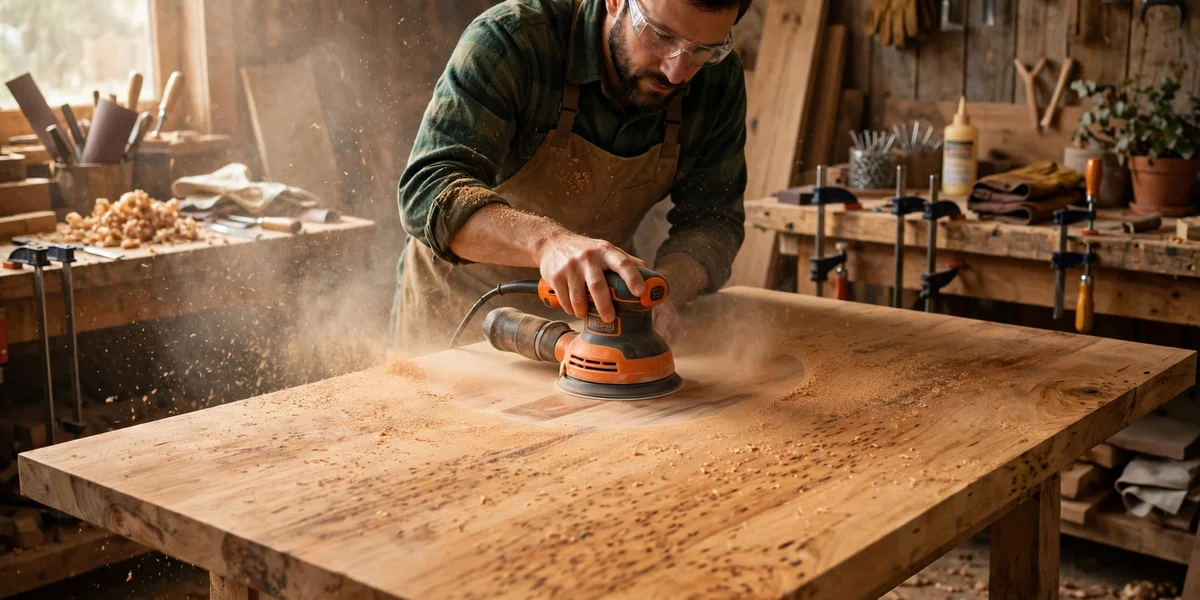
Mango is easy to cut, carve, sand, and stain. That’s why it shows up in turned legs and carved drawer fronts. For the maker, though, its high silica content dulls cutting edges, and wild grain can tear out during machining. A good film finish, lacquer or polyurethane, seals the surface best and is the safest bet for a dining table. Oil and wax look more natural and are easier to touch up, but they offer less moisture protection and need reapplying once or twice a year.
Skin Irritation and Safety
A finished, sealed piece in your home is considered safe for most people. The caution is for the people making it: mango belongs to the same plant family as cashew, pistachio, and poison ivy, and its raw sap contains irritants related to urushiol, the compound behind poison ivy rash. Raw sap and wood dust can irritate skin, especially if you have reacted to poison ivy before.
What Mango Wood Does Well
Strong Enough for Busy Homes
Mango is dense enough for daily use, and it shows up in dining tables, cabinets, and sideboards. How well a piece holds up still depends on the build.
Character in Every Piece
No two pieces match. You get real variation instead of factory-perfect sameness, and that’s a big part of the appeal.
Easy to Match With What You Own
Mango takes stain well. Matching it to your flooring or to chairs you already have is straightforward.
More Affordable Than Many Hardwoods
Mango is widely available, so solid mango furniture tends to cost less than many other solid hardwoods. The trees would be cut down anyway once the fruit slows, which helps keep the price down.
Is Mango Wood a Sustainable Choice?
The case is simple. Mango trees are grown for fruit, and the wood is a byproduct once they stop producing well. The Wood Database calls mango very eco-friendly for exactly this reason: plantations harvest the trees for lumber after they have finished their useful fruit-bearing life. Orchards typically remove trees at around 25 to 35 years, when yields decline, according to Artisan Furniture. Mango trees also mature much faster than oaks: the Alabama Cooperative Extension puts high-quality hardwoods like oak at 50 to 100 years to reach financial maturity. Farmers replant, so the cycle continues.
Mango is not a CITES-listed timber, and its supply comes from farmed orchards rather than wild forest. But there is no mango-specific certification to look for, so ask the seller where the wood came from.
Where Mango Wood Falls Short
It Needs a Sensible Indoor Spot
Mango doesn’t like water sitting on it, and it doesn’t like constant humidity. Steam near a dining area is a problem. So is a spot beside an open balcony door where moisture can creep in. Bathrooms are the worst spot of all, with their constant humidity. Solid wood can also crack when humidity shifts fast, such as right in front of an AC vent or next to a window that rain hits. Mango’s tangential shrinkage is 5.5%, which is moderate, about the same as teak and sheesham and lower than oak, so it still moves with humidity changes, and rapid swings can make it crack, split, or warp.
Sun and Heat Can Dry It Out
Strong, direct sun can fade the finish and dry the wood. In dry weather mango can dehydrate, and cracks form more easily near heat sources like a radiator. Blinds, curtains, or a new position can make a real difference.
A Thin Finish Scratches Early
The wood is strong, but a thin finish shows scratches sooner, especially on tabletops. That’s why finish quality matters so much.
Cheap Construction Ruins Good Wood
Mango can be excellent. But weak joinery, wobbly legs, or drawers that don’t line up will spoil any piece. In my view, this is the biggest risk, bigger than the wood itself.
Insects, Fungus, and Poorly Dried Wood
Untreated mango can attract termites, though treatment and a good finish make that unlikely. Mango that wasn’t seasoned long enough holds a lot of moisture, picks up wood-boring insects easily, and poorly dried boards can cup, twist, or split. That is why the drying matters so much: ask whether the wood was kiln-dried.
That same moisture lets the wood expand and contract with the weather. Well-seasoned, well-treated mango, though, can be durable. With proper indoor care, a mango piece can last 15 to 25 years. Some owners report decades from well-made pieces kept in steady indoor conditions, but 15 to 25 years is the realistic expectation to plan around.
Which Pieces Suit Mango Wood Best?
Good First Buys
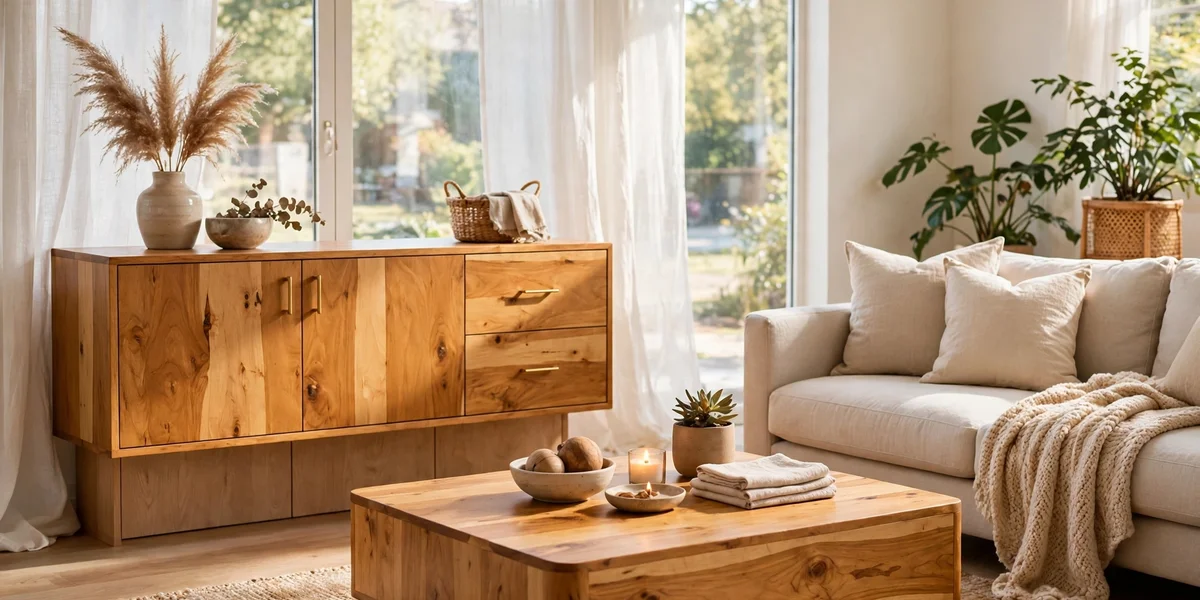
I’d start with coffee tables, side tables, console tables, and shelving. Mango suits small pieces and accent furniture best, and sideboards and cabinets are common too. Dining tables can work, provided the top is thick and the base is solid.
Pieces That Call for More Caution
Here the sources disagree. Some makers warn that mango isn’t strong enough for large pieces like wardrobes and beds, where it can warp, while other sellers include bed frames without concern. I’d lean cautious. If you do buy one, check the construction closely and ask how long the wood was dried.
Is Mango Wood Good for Outdoor Furniture?
I wouldn’t put it outside. The Wood Database rates mango’s durability from moderately durable to perishable, and Solid Furniture India states flatly that mango is indoor only and not rot-resistant. Artisan Furniture’s outdoor guide found mango deteriorating even faster outdoors, showing visible surface rot and structural weakening within 12 to 18 months. TimberBlogger, who tested mango and teak outdoors for about two years, found the mango pieces rotting and weathering while the teak stayed in excellent condition.
Some retailers do sell mango patio sets, but any water resistance usually comes from a heavy acrylic finish, not from the wood itself. Keep mango indoors unless the maker says the piece is built for outdoor use.
How Mango Wood Compares With Other Furniture Woods
Mango vs. Acacia
Acacia is harder. The hybrid retail varieties are often quoted at 1,700 to 2,200 pounds-force, and even the common plantation species, A. mangium, is 1,430 lbf, against mango’s 1,070. It often feels denser and leans richer in tone. Mango offers expressive grain and a warm, approachable look. Both can be excellent. Craftsmanship and finishing usually matter more than the species name.
Mango vs. Sheesham
Sheesham is the harder, tougher option. The Wood Database puts sheesham (Dalbergia sissoo) at 1,660 pounds-force, against mango’s 1,070, and rates its decay resistance as durable to very durable.
| Feature | Mango wood | Sheesham |
|---|---|---|
| Janka hardness | 1,070 lbf | 1,660 lbf |
| Durability | Moderately durable to perishable | Durable to very durable |
| Grain | Fine, irregular, often with dark spots | Bold, dramatic, dark grain |
| Stability | Sensitive to moisture and humidity shifts | More stable, less likely to warp |
| Best for | Statement pieces where character matters | Daily use and heavy furniture |
| Price | More affordable | More expensive |
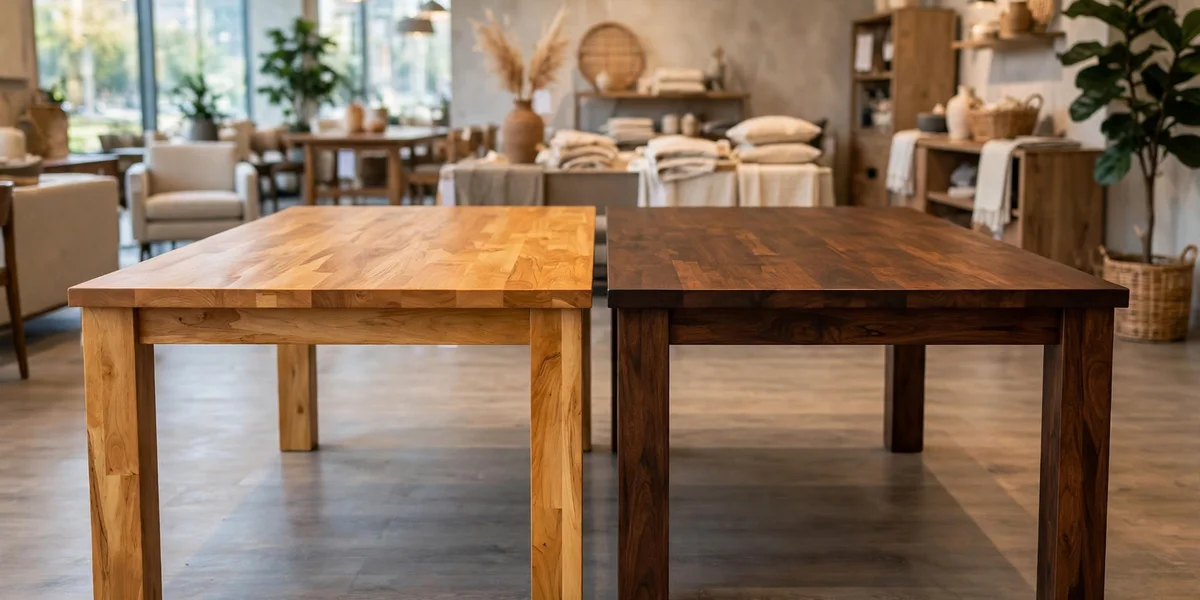
If long-term durability comes first, buy sheesham. If budget and grain character matter more, mango makes sense. One note: sheesham is CITES Appendix II listed, which means the whole Dalbergia genus is restricted, including finished products, while mango is not listed at all.
Mango vs. Teak
Teak is the classic outdoor hardwood: naturally oily, highly rot-resistant, and much more expensive. On hardness the two are close, with teak running 1,000 to 1,155 pounds-force against mango’s 1,070, but teak wins clearly on weather resistance. For indoor furniture on a budget, mango gives you a similar warm, golden-brown look for less. For anything that lives outside, teak is the right call.
What to Check Before You Buy
A quick check in the showroom beats any spec sheet. Shopping online? Put the same questions to the seller.
Check Stability First
Press gently on a corner. A good table or cabinet feels grounded, not wobbly, and it sits flat without rocking. (Yes, it feels silly in a showroom. Do it anyway.)
Look at the Joints and Edges
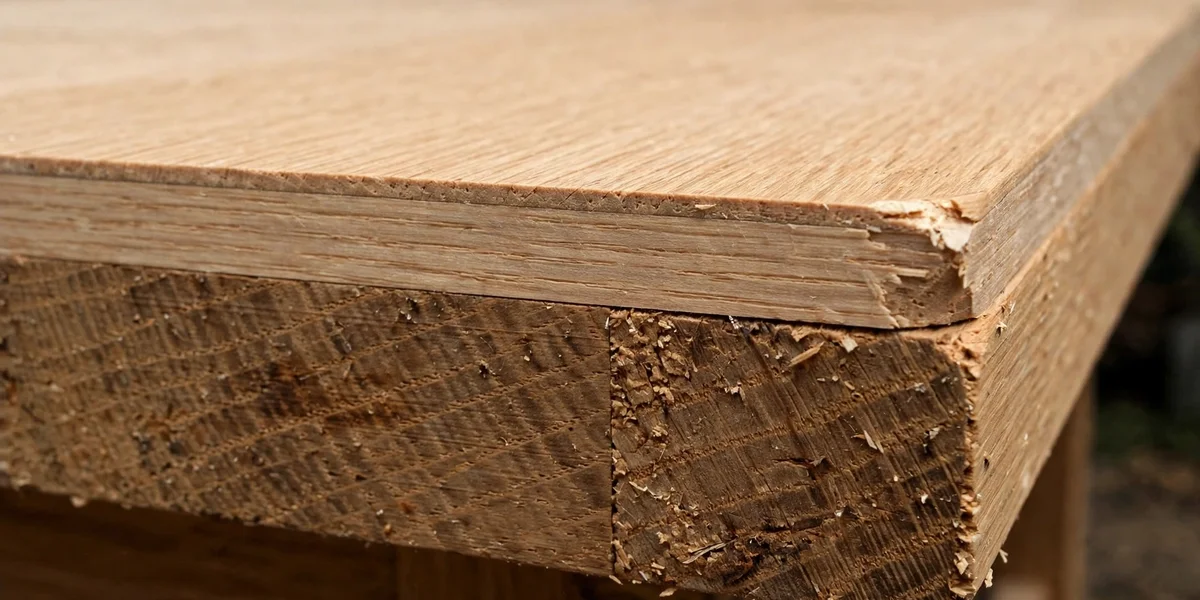
You want clean joins, even gaps, and smooth edges. Sealed end grain is a good sign. White, cloudy patches under the finish are not. Check for cupping, twisting, or open cracks, which are signs the wood wasn’t dried properly.
Open Drawers and Doors
They should move smoothly and close properly. If they feel rough in the store, they’ll feel worse at home.
Ask About Finishing and Care
A good seller can explain how to clean the piece and what to avoid. Ask what finish was used. Ask whether the wood was kiln-dried and how long it was seasoned. If you want to be thorough, a cheap moisture meter can check the wood: furniture wood should read around 6 to 8% moisture content. And give it a sniff: it should smell faintly of wood, not chemicals. Mango has no characteristic odor of its own, so a chemical smell means the finish, not the wood.
Check It Is Solid Wood, Not Veneer
Many pieces sold as ‘mango wood’ are actually mango veneer over MDF or an engineered core. Check the edges and undersides for a veneer line, check the weight (solid mango is heavy), and read the label: ‘solid mango wood’ is not the same as ‘mango wood veneer’. Be suspicious of prices that look too good.
Expect Natural Variation
Streaks and tone shifts are normal. A wobble, a gap, or a rough drawer is not.
How to Care for Mango Wood Furniture
Care is simple, and you don’t need a professional.
- Dust with a soft, dry cloth.
- Wipe spills right away with a slightly damp cloth, then dry the spot.
- Skip harsh chemical cleaners, ammonia-based products, and abrasive cloths.
- Use coasters for hot mugs and placemats at mealtimes.
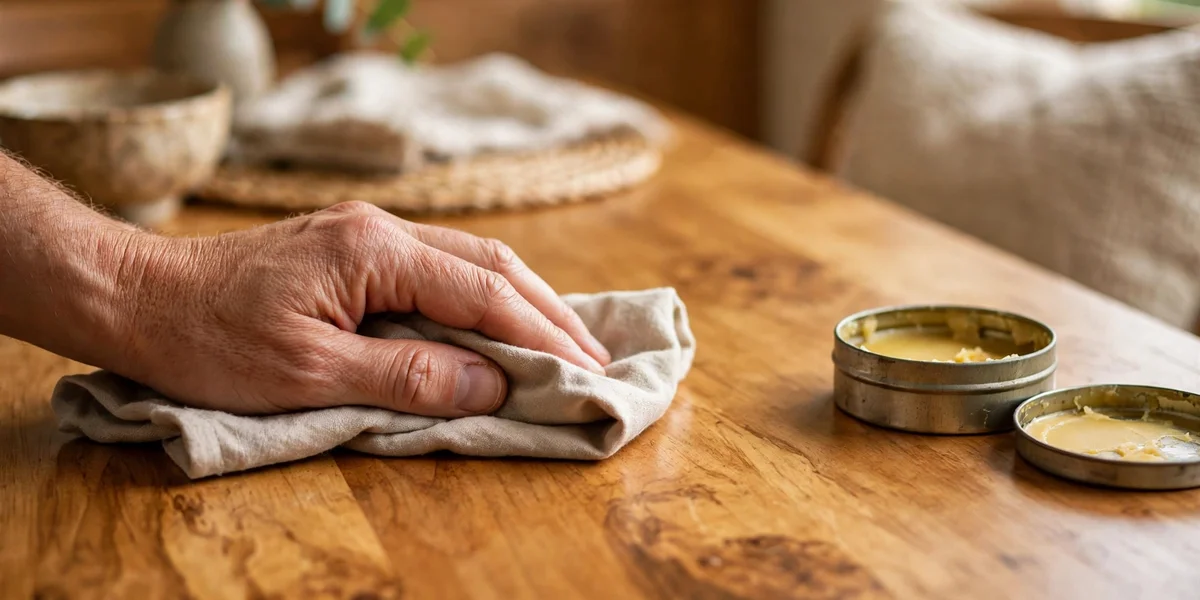
- Condition it now and then with beeswax, teak oil, or furniture polish so it doesn’t dry out.
Placement does the rest. Keep the piece away from strong sun and heat sources.
Where I’d Buy Mango Wood and Where I’d Hesitate
I’d happily buy mango for a coffee table, a console, or a sideboard, as long as the joinery looked tight and the finish felt even. A bed or a wardrobe would make me think harder, and I wouldn’t buy it for the patio.
The wood isn’t the gamble. A rushed build is. Mango is a good-value solid hardwood with real character, so buy it for what it is and walk away from anything that wobbles.
Frequently Asked Questions
Is mango wood good for furniture?
Yes, if it’s kept indoors and is well made. Best for tables, sideboards, cabinets, and smaller pieces. It offers character and good value, as long as the wood was kiln-dried and the joinery is solid.
Is mango wood strong enough for a dining table?
Yes, if the top is thick and the base is solid. At 1,070 lbf on the Janka scale, it handles daily meals well, but the piece still needs good joinery and a tough finish to last.
Is mango wood better than acacia?
Acacia is harder, at 1,430 lbf for A. mangium and higher for other species, while mango is 1,070 lbf. Mango is softer, so it suits indoor tables and character pieces; acacia suits heavier daily use. Both work when the build is good.
Does mango wood scratch easily?
Yes, soft finishes scratch sooner, and the wood is softer than oak. I suggest using placemats on the dining table and choosing lacquer or polyurethane over oil or wax.
Is mango wood water resistant?
No. It is not water resistant and should stay indoors. Keep it away from standing water, steam, and open balcony doors. It’s best paired with a good film finish, and spills should be wiped promptly.
Will mango wood furniture last a long time?
Yes, 15 to 25 years is realistic for a well-built mango piece indoors. With good care, some owners report decades of use, and its lifespan depends on kiln drying, construction quality, and finish.

Muhammad Muaz
Muhammad Muaz shares practical cleaning, home care, improvement and everyday living guides for Urban Home Guide readers.
Keep Exploring
Related Home Guides