
What Is Upholstered Furniture? A Practical Guide
Buying furniture gets confusing fast when product descriptions start using terms that sound more technical than they need to be. If you’re asking what is upholstered furniture, the simple answer…
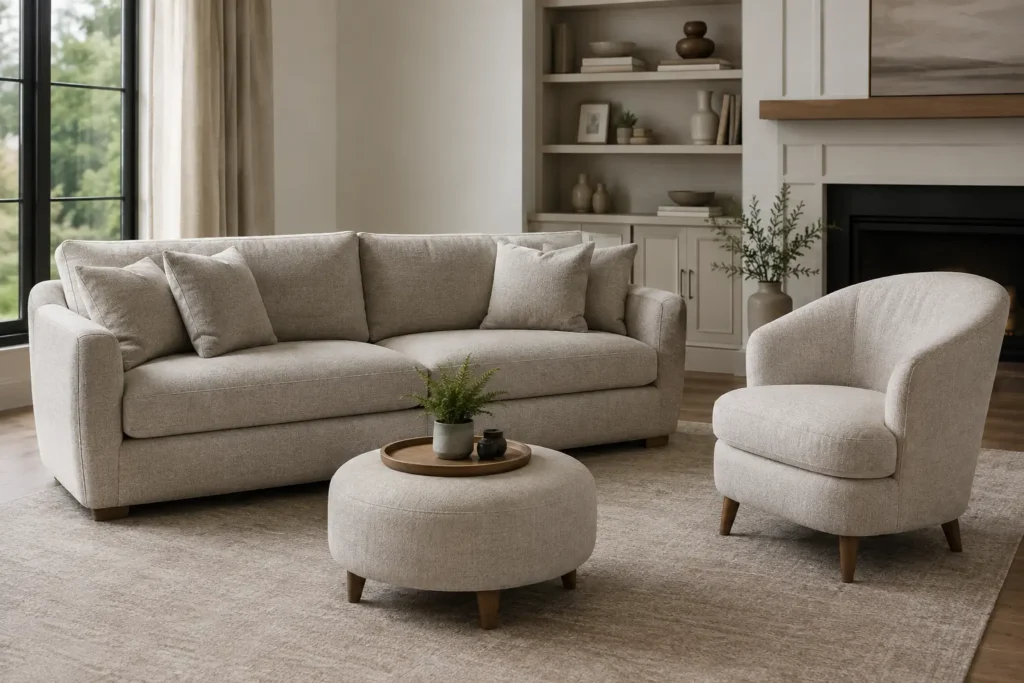
Buying furniture gets confusing fast when product descriptions start using terms that sound more technical than they need to be. If you’re asking what is upholstered furniture, the simple answer is this: it is furniture built with padding or cushioning and finished with an outer covering such as fabric or leather. Sofas and armchairs are common examples, but upholstery also appears on dining chairs, benches, ottomans, beds, and headboards in everyday retail use.
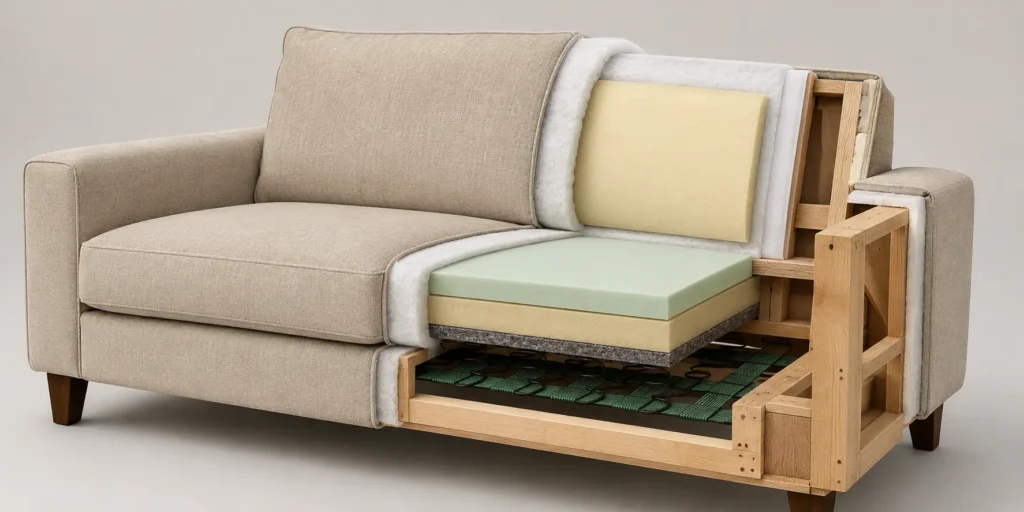
What matters most is that upholstery is more than the visible fabric. Under that surface, the frame, suspension, padding, and covering all affect comfort, durability, appearance, and care. Once you understand those layers, it becomes much easier to compare two pieces that may look similar but feel very different.
What Is Upholstered Furniture?
Upholstered furniture combines a structural furniture piece with soft materials and an outer covering. The upholstery may include webbing, springs, foam, batting, fiber, down, feathers, fabric, leather, or similar materials.
In everyday furniture retail, the term is often used broadly. You may see upholstered sofas, dining chairs, benches, beds, and headboards. However, U.S. federal rules use a narrower definition for upholstered furniture. Under that regulatory meaning, the term centers on indoor seating furniture with an upholstered seat, back, or arm.
That distinction matters because retail language and regulatory language are not always identical. For normal shopping, though, the useful idea is simple: upholstered furniture has a padded, covered surface rather than only an exposed hard surface.
Upholstery, Upholstered, and Upholstered Furniture
These terms are related, but they are not exactly the same. Upholstery refers to the materials and craft used to pad and cover furniture. Upholstered describes a piece that has been padded and covered. Upholstered furniture is the finished item.
A leather sofa still counts as upholstered furniture. Upholstery does not mean “fabric only.” Leather, faux leather, vinyl, and many woven textiles can serve as outer coverings.
Common Types of Upholstered Furniture
Upholstery appears in several rooms because it adds a softer contact surface and more comfort than exposed wood, metal, or plastic.
Living Room Upholstery
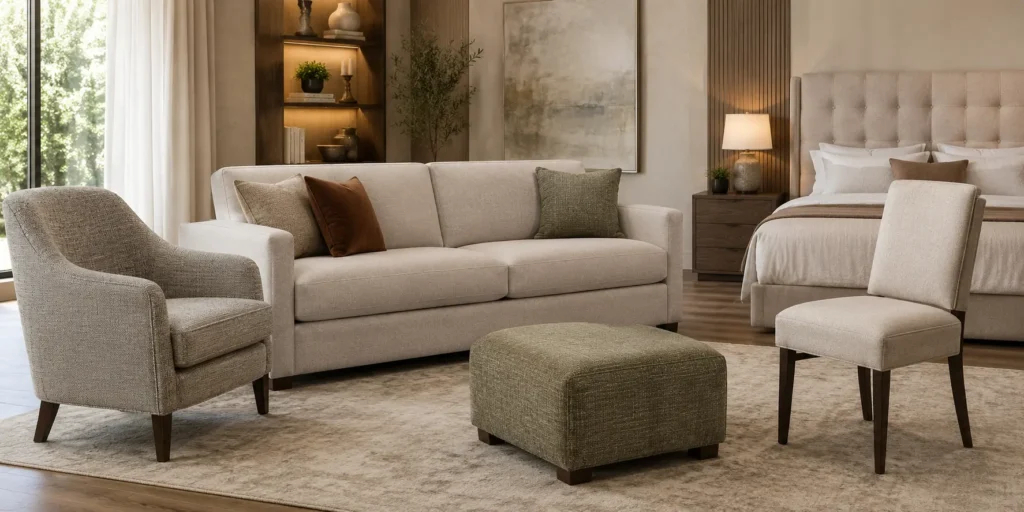
Living rooms contain many of the most familiar upholstered pieces. These include sofas, couches, sectionals, loveseats, armchairs, accent chairs, recliners, chaise lounges, sleeper sofas, ottomans, and poufs.
Because these pieces are used for sitting and relaxing, their hidden construction matters. A good-looking cover cannot make up for weak support or poor cushioning underneath.
Dining Room Upholstery
Dining chairs and benches may also have padded seats, backs, or both. The tradeoff is straightforward: upholstery can add comfort, but dining areas also face spills and frequent cleaning.
For that reason, fabric choice matters as much as appearance. Cleanability and durability deserve attention before color or texture alone.
Bedroom Upholstery
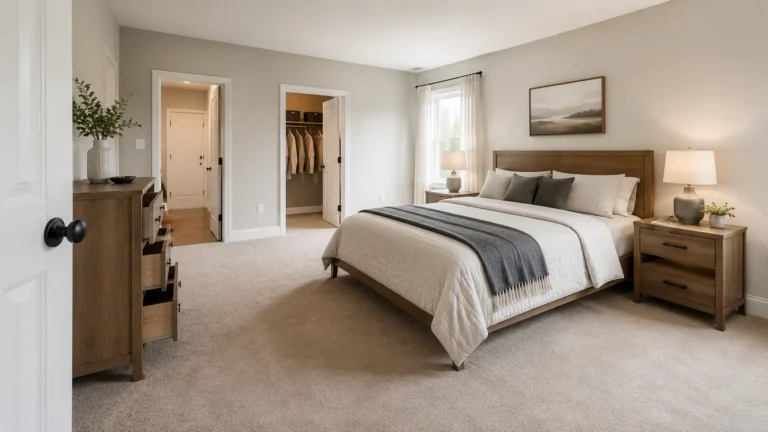
Beds, headboards, and benches are also described as upholstered in normal retail language. These pieces use padding and a covering to create a softer surface and a different visual feel.
Still, remember the U.S. regulatory definition is narrower. In federal flammability rules, upholstered furniture focuses on seating furniture rather than mattresses or bedding products.
Quick Comparison of Common Upholstered Pieces
| Furniture type | Main use | What to pay attention to |
|---|---|---|
| Sofa or sectional | Everyday seating | Frame, suspension, cushion fill, covering |
| Armchair or recliner | Individual seating | Support, comfort, stitching, fabric |
| Dining chair or bench | Seated dining | Cleanability, durability, padding |
| Ottoman or pouf | Footrest or extra seating | Cushioning, seams, outer cover |
| Upholstered bed or headboard | Bedroom comfort and style | Padding, covering, finish quality |
What Makes Upholstered Furniture Comfortable and Durable?
The outside gets most of the attention, but the inside decides how the piece actually performs. My view is simple: never judge upholstered furniture by fabric alone.
The Frame: The Furniture’s Backbone
The frame provides the structure. Competitor research highlights hardwood and quality plywood as materials associated with stronger furniture construction.
Joinery also matters. A sturdy frame should feel stable rather than weak or loose. So, when comparing pieces, look beyond the cover and consider how the furniture is built underneath.
The Suspension: What Holds the Seat Up
Suspension supports the seat and affects how it feels over time. Common systems include sinuous springs, coil springs, eight-way hand-tied springs, and webbing.
These systems can change the amount of support, bounce, and resistance to sagging. However, one label alone does not tell you everything about quality. The full construction still matters.
The Padding: Softness, Shape, and Bounce
Padding creates much of the softness you feel. Upholstered furniture may use polyurethane foam, higher-density foam, fiber, polyester fiber, batting, down, or feathers.
Different fillings create different levels of firmness and shape retention. Therefore, it is useful to think about how the seat feels now and how well the cushioning is designed to hold its form.
The Outer Cover: Fabric, Leather, and Performance Materials
The outer cover affects appearance, touch, cleanability, and wear. Common upholstery materials include cotton, linen, wool, polyester, microfiber, velvet, chenille, bouclé, leather, faux leather, vinyl, and performance fabrics.
There is no single best covering for every home. A softer or more decorative fabric may suit one room, while an easier-care performance material may suit another.
Stitching and Finish Details
Stitching is not only decorative. It can also reveal how carefully a piece has been finished.
Look at seams, pattern alignment, tufting, piping, and removable covers where relevant. Neat workmanship is easier to judge than vague claims about “premium” construction.
What the Martindale Method Tells You
Martindale is an abrasion test used to assess fabric wear. Wyzenbeek and double-rub testing are also established terms in upholstery performance.
Still, abrasion numbers should not be treated as a guaranteed furniture lifespan. Test results help compare fabrics, but real durability also depends on construction, use, care, and other fabric properties.
Why Choose Upholstered Furniture?
The main advantage is comfort. Padding gives you a softer contact surface than exposed hard materials, which is useful for furniture designed for longer periods of sitting.
Upholstery also adds visual flexibility. Fabric, leather, texture, color, stitching, and shape can change how a piece looks and feels in a room.
That said, upholstery brings more care requirements. Stains, pet hair, snagging, wear, and cleaning can matter more than they do with a plain hard surface.
Compared with non-upholstered furniture, the tradeoff is clear. Exposed wood, metal, or plastic may be simpler to wipe down. Upholstery, however, gives you cushioning and far more choice in texture and covering. That is why the decision should start with use, not appearance alone.
Comfort also depends on more than softness. Seat depth, seat height, suspension, and cushion construction can all shape how a piece feels. So, a soft-looking chair is not automatically the better choice. The practical option is to judge comfort and construction together.
When Upholstered Furniture Makes the Most Sense
Upholstery works well when comfort matters and you are willing to choose the covering around your household needs. Living rooms and bedrooms often benefit from that softer feel.
Dining spaces can also work well, but cleanability becomes more important. Homes with children or pets need the same practical thinking. The best material is the one that fits how the furniture will actually be used.
How to Choose Upholstered Fabrics
Start with your lifestyle, not the fabric name. Consider daily use, pets, children, sunlight, spills, cleaning needs, comfort, and the look you want.
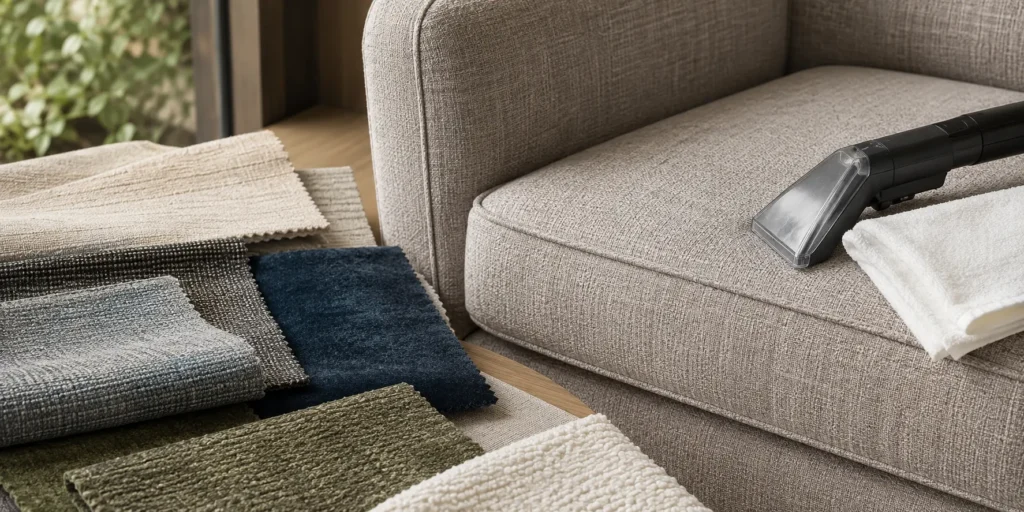
Cotton, linen, wool, polyester, microfiber, velvet, chenille, bouclé, leather, and performance fabrics all appear in upholstery. However, each brings different tradeoffs.
For example, a decorative fabric may look appealing but require more careful use. A performance material may make more sense where stain resistance and easier maintenance matter more.
Best Upholstered Fabrics for Kids and Pets
For homes with children or pets, focus on cleanability, snag resistance, durability, and realistic maintenance. Avoid assuming any fabric is completely kid-proof or pet-proof.
Performance fabrics and other durable upholstery options may be more practical when spills, hair, or frequent use are expected. Still, the right choice depends on the specific material and the manufacturer’s care guidance.
How to Choose and Care for Upholstered Furniture
A good purchase starts with matching the piece to the room, household, comfort preference, maintenance tolerance, and budget.
How to Choose the Right Piece
First, think about how the furniture will be used. A living-room sofa has different demands from a bedroom bench or dining chair.
Next, consider comfort and construction. Look at the frame, suspension, cushion fill, and upholstery material together. Finally, check dimensions, maintenance needs, and the warranty information available for the piece.
How to Check Quality Before Buying
Useful quality checks include:
- Frame sturdiness
- Solid joinery
- Suspension or support system
- Cushion recovery and shape
- Seam and stitching quality
- Pattern alignment
- Removable covers, where offered
- Fabric durability information
- Frame and cushion warranty details
Here’s the thing: two chairs can look almost identical from across the room. The more useful comparison starts when you examine what supports the seat and how the cover is finished.
How to Care for Upholstered Furniture
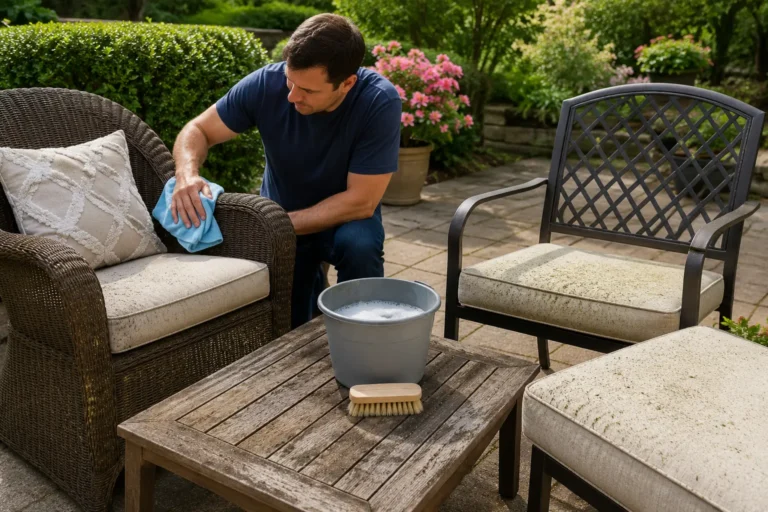
Routine care should follow the manufacturer’s instructions. Vacuuming can help with surface dust and debris, while quick spill response can reduce the chance of a mess spreading.
Cleaning codes may also appear on upholstered furniture. Common codes include W, S, WS, and X. Because these codes indicate different cleaning approaches, do not assume one cleaner is suitable for every material.
Professional upholstery cleaning may also be appropriate when normal maintenance is not enough. However, the specific fabric and manufacturer guidance should come first.
When to Repair, Reupholster, or Replace
Reupholstery can make sense when the frame and underlying construction are still strong. In that case, changing the outer material may extend the usefulness of the piece.
Replacement may be more practical when structural quality is poor or major internal problems remain. So, do not judge the decision by worn fabric alone. The condition underneath matters more.
Conclusion
Upholstered furniture is easier to understand once you stop looking only at the surface. The visible fabric or leather matters, but the frame, suspension, padding, stitching, and care requirements matter just as much.
My view is that the smartest choice is rarely the piece with the most attractive fabric alone. Look at how it is built, how it will be used, and how much care it needs. That approach gives you a clearer way to judge comfort, quality, and suitability before you buy.
Frequently Asked Questions
Is Leather Considered Upholstered Furniture?
Yes. Leather can serve as the outer upholstery covering on padded furniture. Upholstered furniture is not limited to woven fabric.
What Is the Difference Between Upholstered and Non-Upholstered Furniture?
Upholstered furniture uses padding or cushioning plus an outer covering over part of the structure. Non-upholstered furniture usually leaves hard materials such as wood, metal, or plastic exposed.
Is Upholstered Furniture Good for Pets and Kids?
t can be, but fabric choice matters. Cleanability, snag resistance, durability, removable covers, and realistic care needs should guide the decision.
How Long Does Upholstered Furniture Last?
There is no single lifespan that applies to every piece. Frame quality, suspension, cushion materials, fabric durability, use, and maintenance all affect longevity.
How Do You Clean Upholstered Furniture Safely?
Start with the manufacturer’s care instructions and cleaning code. Routine vacuuming and careful spill response may help, but different materials require different cleaning methods.

Muhammad Muaz
Muhammad Muaz shares practical cleaning, home care, improvement and everyday living guides for Urban Home Guide readers.
Related Home Guides