- Your cart is empty Browse Shop
Furniture
Can Lice Live on Furniture? What You Need to Know
Finding head lice in your child’s hair can make your whole home feel itchy. Suddenly the couch, the pillows, the carpet and even the car seats look suspicious. So, can…
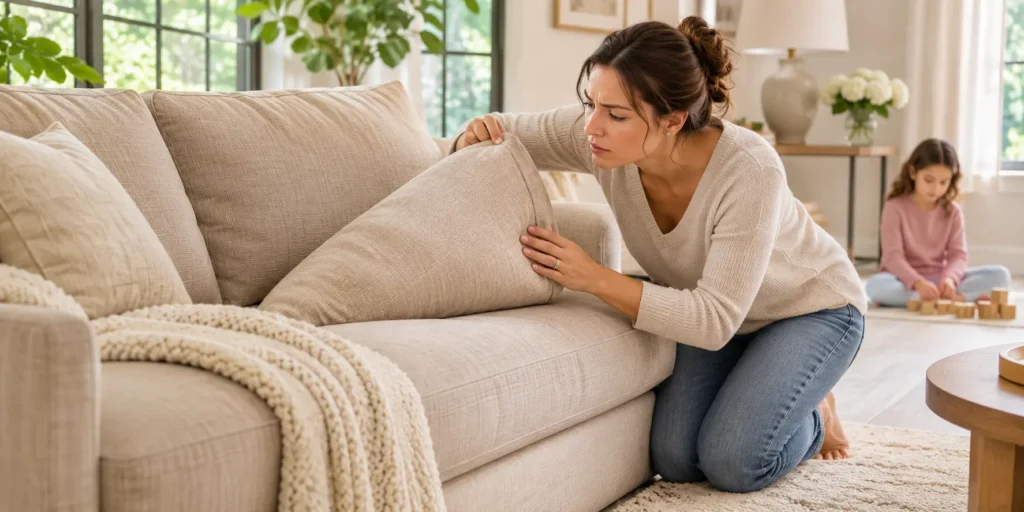
Finding head lice in your child’s hair can make your whole home feel itchy. Suddenly the couch, the pillows, the carpet and even the car seats look suspicious.
So, can lice live on furniture? Let’s clear it up.
Quick answer: Head lice can end up on furniture for a short time, but they can’t live or breed there. Away from a human scalp, adult lice survive up to two days at most. Furniture is a very unlikely way to catch lice. Vacuum, wash recently used bedding, and put most of your effort into treating the affected person’s hair.
You don’t need to throw out your sofa, spray the house or panic-clean for a week. A few simple steps are enough.
Key Takeaways
- Head lice need a human scalp to feed, so they can’t survive long on furniture.
- Adult lice survive up to two days away from a person.
- Head-to-head contact is the main way lice spread.
- Catching lice from a couch, carpet or mattress is very unlikely.
- Vacuuming furniture and washing recently used bedding is a sensible precaution.
- Insecticide sprays and fogs aren’t needed, and they can be harmful.
Why Can’t Head Lice Live on Furniture?
Head lice (Pediculus humanus capitis) are tiny parasites about the size of a sesame seed. They live on the human scalp because they need blood several times a day, and they need warmth to survive.
A couch has none of that. A louse that falls onto a cushion can’t feed, can’t lay eggs that will hatch, and gets weaker by the hour.
That’s the key point: finding lice on one person doesn’t mean your home is infested.
How the Head Lice Life Cycle Works
Lice go through three stages, and all of them depend on the scalp:
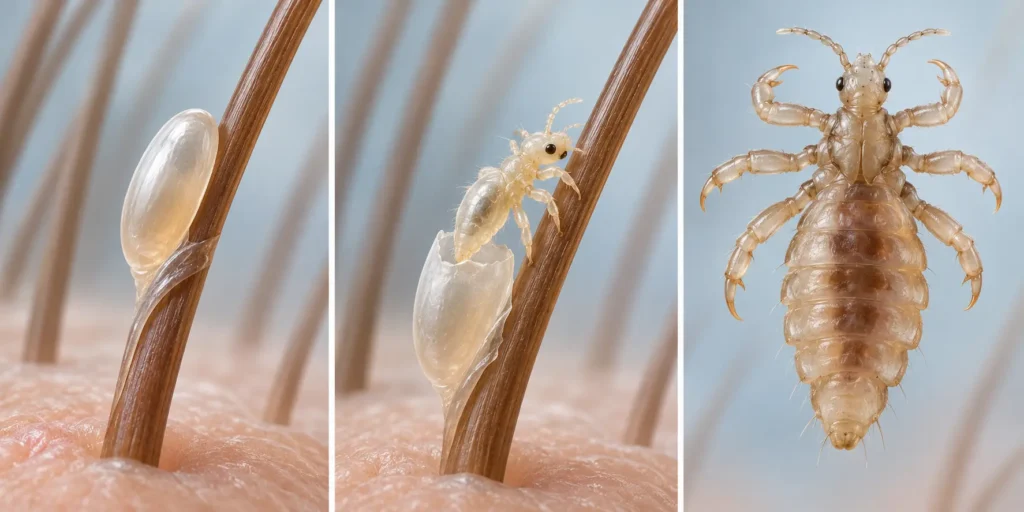
- Eggs (nits): Glued firmly to hair shafts, close to the scalp. They hatch in roughly a week.
- Nymphs: Young lice that hatch from eggs and mature in about 9 to 12 days. They also need blood meals.
- Adults: Fully grown lice that feed on blood and lay eggs.
Sofas, mattresses and carpets can’t provide warmth or blood, so the cycle can’t continue there.
How Long Can Lice Live Off the Head?
According to the CDC, adult head lice survive up to two days without a human host. Many die sooner, because without feeding they quickly weaken.
Nymphs are fragile too. Nits generally need the warmth of a scalp to hatch, so eggs that fall away from the head are very unlikely to survive.
| Lice stage | What happens away from the scalp |
|---|---|
| Adult lice | Can’t feed and survive up to 2 days |
| Nymphs | Can’t feed, so they’re very fragile |
| Eggs (nits) | Need scalp warmth to hatch, so they’re very unlikely to hatch on furniture |
Can Lice Live on Different Types of Furniture?
Whatever the material, the rule is the same: lice need a human host. Here’s how it applies to each surface.
Couches and Upholstered Sofas
A louse that falls from someone’s hair can land on a sofa, but it can’t live there. The fabric folds and seams don’t give it food or the right temperature.
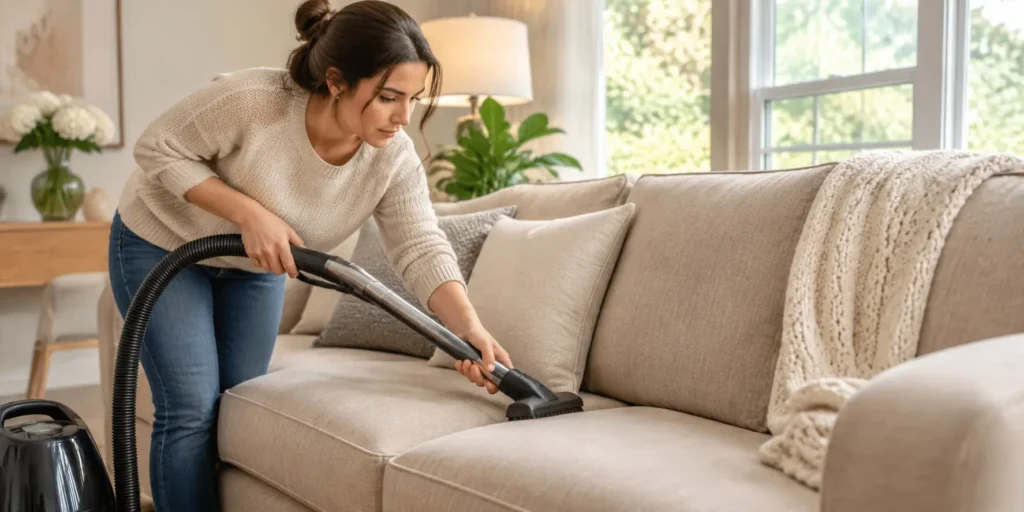
What to do: Vacuum the spots where the person’s head rested, including the seat, back cushions and seams. You don’t need to discard the couch or hire a professional cleaner.
Mattresses and Beds
Parents worry about beds most, since kids spend hours with their heads on the pillow. But lice don’t burrow into mattress foam and they don’t breed in it.
What to do: Wash pillowcases, sheets and blankets used in the last two days. Vacuum the mattress surface. There’s no need to replace the mattress.
Upholstered Chairs
Chairs work like sofas. A louse might land on one, but the chair can’t become its home.
What to do: Vacuum the headrest area and wash removable covers following the care label.
Wooden and Leather Furniture
Smooth surfaces like these can’t support lice at all. Routine wiping is plenty. Harsh chemicals aren’t needed and can damage the finish.
Carpets and Rugs
A louse can fall onto carpet, but carpet won’t sustain a population. The CDC describes the risk of getting lice from carpets and furniture as very small.
What to do: Vacuum the areas where the affected person sat, played or slept.
Can You Get Head Lice From Sitting on a Couch?
It’s technically possible, but very unlikely.
For it to happen, a live louse would have to fall off one person, survive on the couch, and then crawl onto someone else’s head. Lice can’t jump or fly, so that’s a long shot.
Head lice spread mainly through direct head-to-head contact, such as:
- Children playing or hugging with their heads close together
- Sleepovers and shared beds
- Taking selfies or leaning together to watch a screen
- Close cuddling within the family
So sitting on a sofa that someone with lice used doesn’t mean you’ll catch them.
Can Lice Eggs Survive or Hatch on Furniture?
Almost never. Lice glue their eggs to hair shafts, close to the scalp. They don’t lay them on sofas or mattresses.
Occasionally a hair with an egg attached may fall onto a surface, but away from the scalp’s warmth the egg is very unlikely to hatch. Furniture can’t become a breeding ground.
What Should You Wash After Finding Lice?
You don’t need to wash everything you own. The CDC recommends focusing on items the infested person wore or used in the 2 days before treatment started.
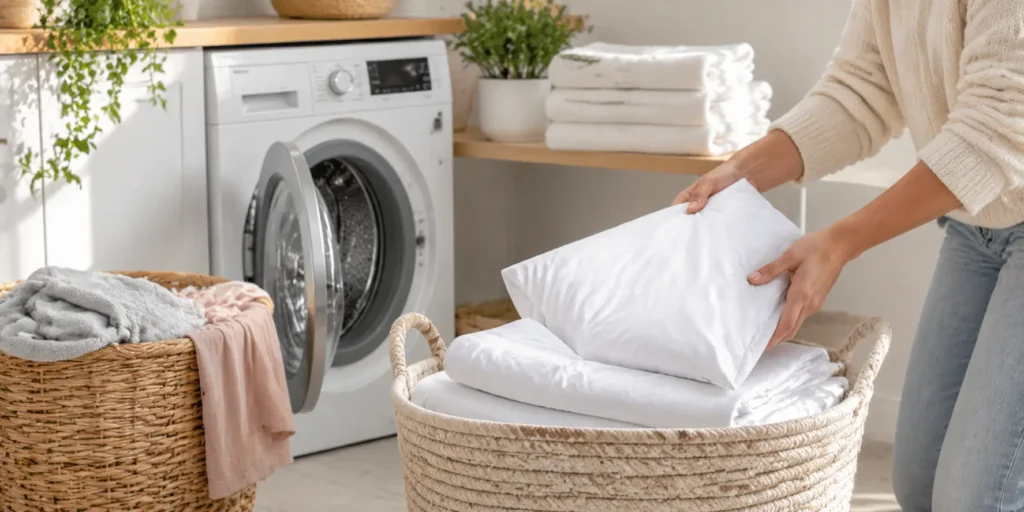
Prioritize:
- Pillowcases and bed sheets
- Blankets and towels used recently
- Recently worn clothing
- Hats, scarves and hair accessories
How to wash them:
- Machine wash using the hot water cycle (about 130°F / 54°C)
- Dry using the high heat cycle
For items that can’t be washed: Dry-clean them, or seal them in a plastic bag for two weeks. Don’t use insecticide sprays.
How Do Head Lice Spread?
Direct Head-to-Head Contact
This is the most common route. Lice crawl from one head to another when heads touch. Close contact matters far more than sharing a room or a couch.

Indirect Contact Through Personal Items
This is less common, but it can happen through recently shared:
- Combs and hairbrushes
- Hats and scarves
- Hair ties and clips
- Pillows and bedding
You don’t need to treat every shared item. Just think about what touched a head carrying live lice in the last day or two.
Heads, Not Housecleaning: Where to Focus Your Energy
After a lice diagnosis, it’s tempting to clean the whole house. But no amount of scrubbing will get rid of lice that are living on someone’s scalp.
Here’s the order of priorities that actually works:
- Treat people who have active lice. This is the most important step.
- Check close contacts, such as siblings and parents.
- Wash recently used bedding and clothing.
- Vacuum furniture and carpets where the person rested.
- Follow the treatment schedule, including any repeat treatment.
How to Clean Furniture After Lice (Step by Step)
You don’t need special products. This simple routine does the job.
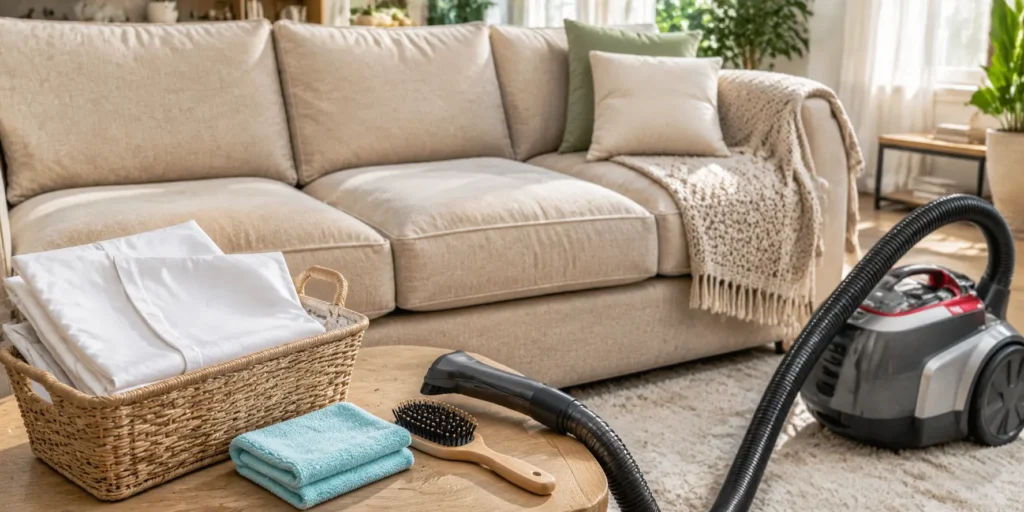
Step 1: Vacuum upholstered furniture. Focus on the spots where the person’s head rested.
Step 2: Deal with cushions. Remove them if possible, vacuum all sides, and wash removable covers according to the label.
Step 3: Wash bedding. Use the hot-water wash and high-heat dry method above.
Step 4: Vacuum carpets and rugs. Concentrate on areas where the person sat or lay down.
Step 5: Clean combs and brushes. Soak them in hot water (at least 130°F / 54°C) for 5 to 10 minutes.
Step 6: Wipe hard surfaces. Wood, leather and plastic only need normal cleaning.
Should You Use Furniture Sprays or Fumigation?
No. The CDC advises against fumigant sprays and fogs for head lice because they can be toxic and aren’t needed. Vacuuming and washing are the safer choice, and they’re enough for household cleanup. Remember, though, that cleaning your home doesn’t treat lice on the scalp. Only proper hair treatment does that.
How to Stop Head Lice From Coming Back
- Treat the hair properly. Use a lice treatment as directed. Many products need a second application about a week later, so check the label or ask a pharmacist.
- Use a fine-tooth lice comb. Comb through damp hair every 2 to 3 days for a couple of weeks to remove remaining lice and nits.
- Check family members. Examine anyone who’s had close contact, and treat only those who actually have lice.
- Don’t share personal items like brushes, hats and hair accessories.
- Remind kids to avoid head-to-head contact during play and sleepovers.
When Should You See a Doctor or Pharmacist?
Talk to a healthcare professional if:
- Over-the-counter treatment doesn’t work after two rounds
- The scalp looks infected (red, swollen, oozing or very sore from scratching)
- The person is a baby, pregnant or has a skin condition, so you need to know which treatment is safe
Conclusion
Head lice are a hair problem, not a furniture problem. A louse may land on your couch or pillow, but without a scalp it can’t feed, breed or survive for more than a day or two.
So skip the panic cleaning. Treat the affected person’s hair, check close contacts, wash recent bedding and clothes, and vacuum the places where heads rested.
That’s all it takes to get your home, and your peace of mind, back to normal.
Note: This article is for general information and isn’t medical advice. For treatment questions, consult a doctor or pharmacist.
Frequently Asked Questions
Can lice live on a couch for several days?
No. Adult lice survive up to two days without a human host, and a couch can’t give them the blood they need.
Can lice live in a mattress?
No. Lice don’t live or breed in mattresses. Vacuum the surface and wash the bedding.
Do I need to spray my furniture for lice?
No. Sprays and fogs aren’t necessary and can be toxic. Vacuuming is enough for household cleanup.
Can lice eggs hatch on furniture?
Very unlikely. Nits need the warmth of a human scalp to hatch.
Should I throw away furniture after head lice?
No. Furniture doesn’t become permanently infested, so vacuuming and washing are enough.
Can lice jump from furniture onto me?
No. Lice can’t jump or fly. They only crawl, and they prefer to move from head to head.
Can lice live on stuffed toys?
Only for a very short time, since they can’t feed there. Wash and dry washable toys using hot water and high heat. For toys that can’t be washed, seal them in a plastic bag for two weeks.
Can lice live in car seats?
A louse can land on a car seat, but it can’t live there for more than a day or two. Vacuuming the seat and headrest is enough. Skip the sprays.
Can lice live on clothes?
Not for long. Wash recently worn clothing using the hot water cycle and dry it on high heat.
Can pets get or spread head lice?
No. Head lice live only on humans. Pets can’t catch them or pass them on, so you don’t need to treat your pets.

Muhammad Muaz
Muhammad Muaz shares practical cleaning, home care, improvement and everyday living guides for Urban Home Guide readers.
Keep Exploring
Related Home Guides