- Your cart is empty Browse Shop
Furniture
How to Wrap Furniture for Moving: A Complete Step-by-Step Guide
Last updated: November 10, 2026 It’s a familiar moment for anyone who has moved: you unwrap a familiar piece at the new house only to find a small scratch, a…
Last updated: November 10, 2026
It’s a familiar moment for anyone who has moved: you unwrap a familiar piece at the new house only to find a small scratch, a dented corner, or a glass panel that did not survive the trip.
After organising a move, the goal is to place your furniture in your new home before you can relax. Proper wrapping helps you put furniture in the truck and keep it safe along the way.
Furniture differs a great deal, and the approach matters. Smooth wooden finishes scratch more easily than tile or painted concrete. Everyday furniture has a surface that is more forgiving, but unprotected wood still lets edges bump each other. Antique pieces need extra care.
Quick Answer: Wrap furniture for moving by layering a clean moving blanket or furniture pad over the clean, dry surface. Add extra padding on exposed edges, hold them with corner guards, then seal the layers with stretch wrap. After that, use bubble wrap for delicate areas and handle mirrors and glass upright.
Get Your Furniture Ready Before Wrapping
Preparation can save time and money. If you wrap before dusting, lifting unused sections or checking measurements, you risk ruining the blanket, and your furniture.
Take Inventory of Your Furniture
Start by deciding what you need to wrap and creating a quick inventory list. The list helps you match each item to the right material and keeps you from carrying unnecessary items to the truck.
- Assess the fragile components of each piece.
- Mark dressers and wardrobes that hold heavy contents.
- Note the specific parts that need extra protection, such as the finish at the surface, the edges of the furniture, exposed joints, and moving parts.
- Walk through the remaining pieces and plan the order for wrapping.
Clean Your Furniture
Clean and dry your furniture before wrapping it. Dust and debris trapped under plastic wrap can cause scratches, and moisture trapped under plastic can create mould. A gentle cleaner works well for wooden furniture, while a soft cloth is a good choice for removing dirt.
Protecting furniture before wrapping provides both the physical protection you need and a cleaner result. You can also try Metropolitan Brampton’s moving guide for a clear overview of how professionals handle preparation.
Disassemble Furniture in Advance
Before wrapping furniture for moving, take apart the things you can. Taking a dining table, bed frame, or sofa into smaller pieces can make the journey easier and save space in the moving truck. Ensure you have the tools that you need before you begin.
For example:
- For dressers, take out drawers and place them separately.
- For wingbacks, remember to take apart separate pieces, including the armrests.
- For wardrobes, remove shelves and hanging racks.
- Label every part and put the screws in a sealed bag so they do not get lost.
Measure Furniture and Clear a Safe Path
Measure doorways, lifts, and staircases to plan a safe route for furniture carrying. If the sofa is too wide to fit through the entrance, remove the legs or disassemble the sofa. For example, remove the door to create extra space.
Get Your Furniture Wrapping Supplies
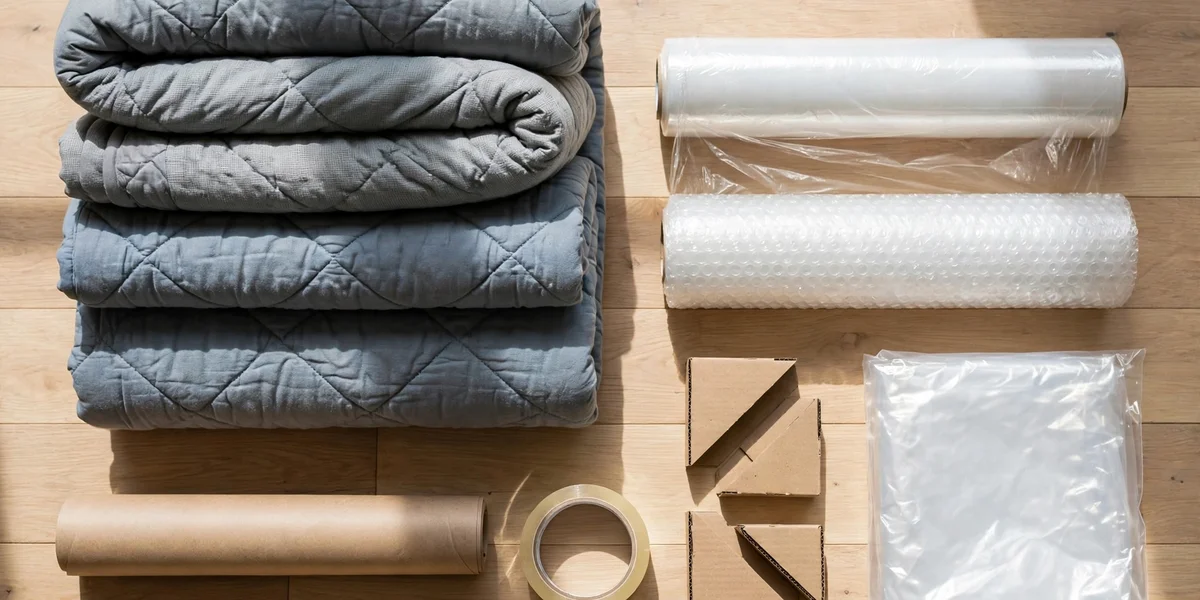
To protect furniture during a move, gather the right supplies before you start. The right materials provide extra padding around the corners and stop scratches on fragile surfaces. You do not need to buy every item. Tailoring your supplies to the type of furniture you own is the better approach. The costs below are approximate.
| Material | Best for | Cost |
|---|---|---|
| Moving blankets/pads | Large items; wood and upholstery surfaces | Free if rented |
| Stretch wrap | Sealing and holding layers in place | £10+ per roll |
| Bubble wrap | Protecting fragile corners and glass | £10+ per roll |
| Packing paper | Preventing scratches on delicate surfaces | £10+ per bundle |
| Cardboard | Reinforcing corners and edges when paired with corner guards | Free or cheap |
| Mattress bags/boxes | Keeping mattresses dry and clean | £10+ per bag/box |
| Packing tape | Securing cardboard and furniture pads | £2 or less per roll |
Moving Blankets and Furniture Pads
Moving blankets and furniture padding offer protection for the largest areas, shielding wood and fabric from bumps, soil and moisture. They can guard furniture surfaces, protect edges, and help items stay intact during lifting, loading and transport.
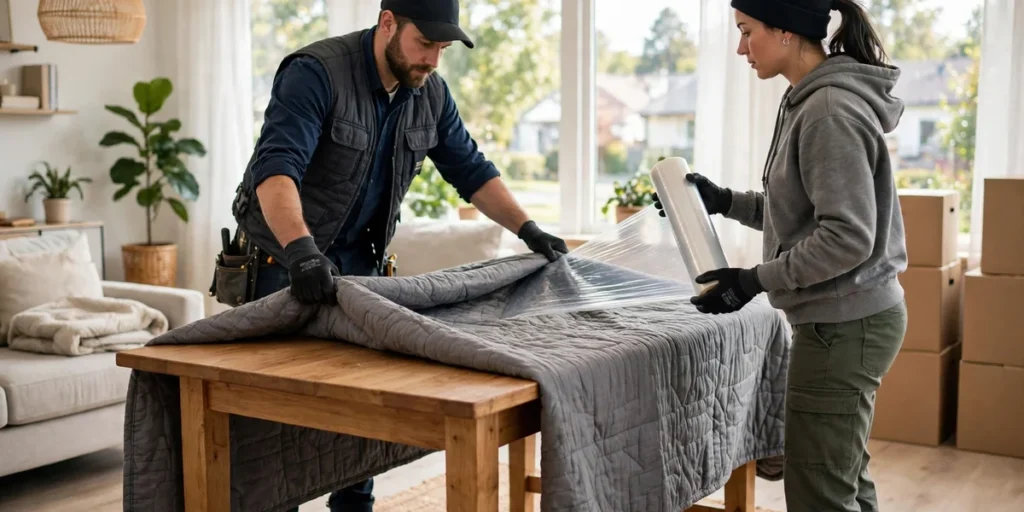
For blanket wrapping, cover the furniture completely. Fold the blanket around corners, tuck the extra fabric in, and fasten it with stretch wrap. After the blanket is in place, seal it with packing tape. For extra strength, use two layers on the larger pieces. Read U-Haul’s moving blankets guide to see the best techniques.
Stretch Wrap and Plastic Furniture Wrap
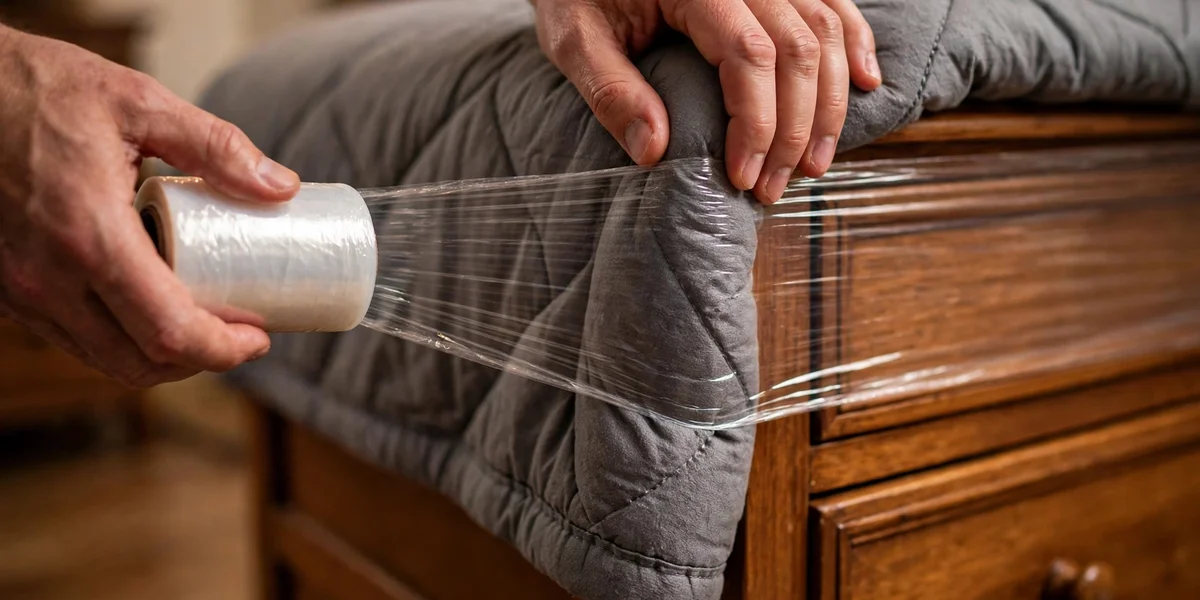
Stretch wrap is plastic wrap for moving. It helps seal the outer layer and provide support once you have finished wrapping furniture in a moving blanket. A tight band of shrink wrap can press padding against the surface and keep the edges protected.
Use shrink wrap sparingly to hold the layers in place. Wrap long items with closed ends, leaving one side partly open for airflow so you can protect the furniture from condensation. Do not wrap wood or leather directly, as sealed plastic can trap moisture. If the furniture is going into storage, wrap it in a more breathable material and keep the outside dry. Read U-Haul’s stretch wrap guide to learn more.
Bubble Wrap and Packing Paper
Bubble wrap and packing paper work well for fragile surfaces such as glass tabletops, lampshades, and delicate edges. Keep in mind that, unlike a cushion, it should fit tightly against the surface. Overall, working with the bubble wrap will provide extra security.
To pack items in bubble wrap, cushion the glassware. Do not wrap the bubble wrap over wooden furniture or other polished pieces. Instead, place packing paper or a soft cloth first. Read Metropolitan Brampton’s guide to learn more.
Packing Tape, Cardboard, and Corner Protectors
Tape helps secure layers and keep corner guards in position. Use it to protect the edges of furniture and keep wrapping in place. Cardboard corner protectors play an important part when moving furniture, as they absorb impacts on corners and edges.
Apply tape at the mid-point and along the edges, away from the wood or fabric. If tape touches them, the residue can seep into porous wood. Cardboard or corner protectors work well for preventing this.
Mattress Covers and Other Protective Supplies
Covers and protective supplies are essential when moving bedding. A mattress bag provides protection to a mattress while a furniture cover can protect cushions and upholstered furniture. You may also need mattress covers, couch covers, or other layered covers. Here are some supplies you may not think of:
- Use a dolly and straps to move heavy furniture, which can reduce damage.
- Put equal weight on both sides so the furniture stays balanced.
- Keep an eye out for potholes and rough roads; shaking around can lead to shifting.
How to Wrap Furniture for Moving: Step-by-Step Instructions
With the supplies gathered, follow these steps to wrap the furniture correctly. Let us take a look at the best five steps that will help you pack the furniture quickly.
Step 1: Clean, Disassemble, and Prepare Furniture for Wrapping
Start by removing loose parts so they do not separate in transit. For a stable load, prepare the room layout so you can protect the piece’s edges as you wrap it.
Improper or slow moves happen when the room is cluttered. To save room for wrapping furniture and lying it flat, set the space up so that it will sit parallel to the floor. Move each piece so the edges point outward, and place pads beneath the furniture where sharp parts could mark the floor.
Step 2: Put Extra Padding on Edges and Corners
Once you have the plan set, use soft cushioning to protect the corners. For table corners, attach pads or extra layers of bubble wrap to reduce pressure marks.
Wrap around vertical edges and cover fragile points such as the edge of an uneven surface. If you are working along the edges of a sofa, wrap the padding so that extra fabric and cardboard can absorb the load from bumps.
Step 3: Wrap the Furniture in a Blanket or Furniture Pad
Start by wrapping the furniture in a moving blanket. Choose a thick pad that drapes over the surface and down to the legs. Then, tuck the blanket underneath to keep it in place.
Another way is to wrap the blanket snugly around the length of the piece and tie it with a band of rope or twine. Add as many layers as the furniture needs, as extra layers provide a better barrier against impact.
Step 4: Secure the Layers with Stretch Wrap
After you have padded the corners and covered the surface, use stretch wrap to hold the blanket in place. Set the wrap over the blanket and tighten it gently so the layers stay together.
For items like dressers, secure the handles and close the drawer fronts with stretch wrap to keep the doors and drawers from moving while the furniture is being moved.
Step 5: Label the Wrapped Furniture and Prepare for Loading
Next, use tape to mark labels or tags so you can identify the furniture. Use stickers to mark its position, if you know it, for storage or moving elsewhere.
This step is easy to skip amid the rush of packing, yet the right labels help your movers and protect fragile pieces in the truck.
Do this quick final check before loading:
☑ Check that each label is correct.
☑ Confirm that the blanket is evenly distributed.
☑ Once the cover is on, seal the top with more padding.
☑ Ensure tape is applied to all edges.
How to Wrap Different Types of Furniture
Before picking materials for each item, consider what each surface needs. Wooden furniture is not the same as upholstered furniture, so it pays to wrap carefully.
How to Wrap Wooden Furniture
Wooden furniture is one of the most delicate pieces to wrap because its finish scratches easily. It is easy to damage through rough handling if not protected with a proper method.
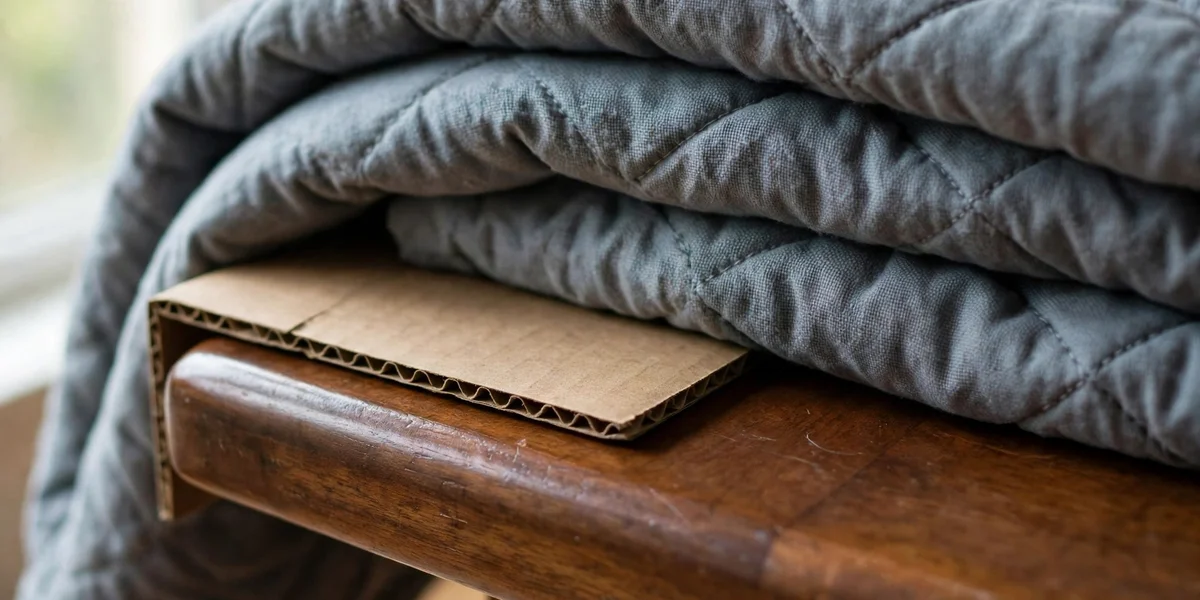
Wrap wooden furniture carefully by first removing any finishing drawers or loose handles. A moving blanket or furniture pad is ideal for a wrap. For extra protection, wrap the drawers covering the drawer fronts with bubble wrap if they are fragile.
To wrap it correctly:
- Wrap it with a furniture pad.
- Put a moving blanket over it.
- Wrap layers of stretch wrap around it, but do not apply tape directly to the wood.
Leave the front open near drawers so they can move flexibly in the truck. You can also place a blanket on the furniture to protect it from movement during the move.
How to Wrap Upholstered Furniture (Sofas and Armchairs)
For upholstered furniture, the fabric can soak up dust, stains, and odours. Use a slipcover or a furniture blanket on every piece before moving. A proper furniture cover, whether made of cloth or plastic, can protect the fabric from dust and dirt.
Use a slipcover to protect the fabric. Wrap it in a moving blanket, securing the blanket around the arms and seat cushions. Lift it after wrapping and keep it from bending, as the corners can be crushed and the wooden frame can break if it is handled roughly.
How to Wrap Glass Tabletops and Mirrors
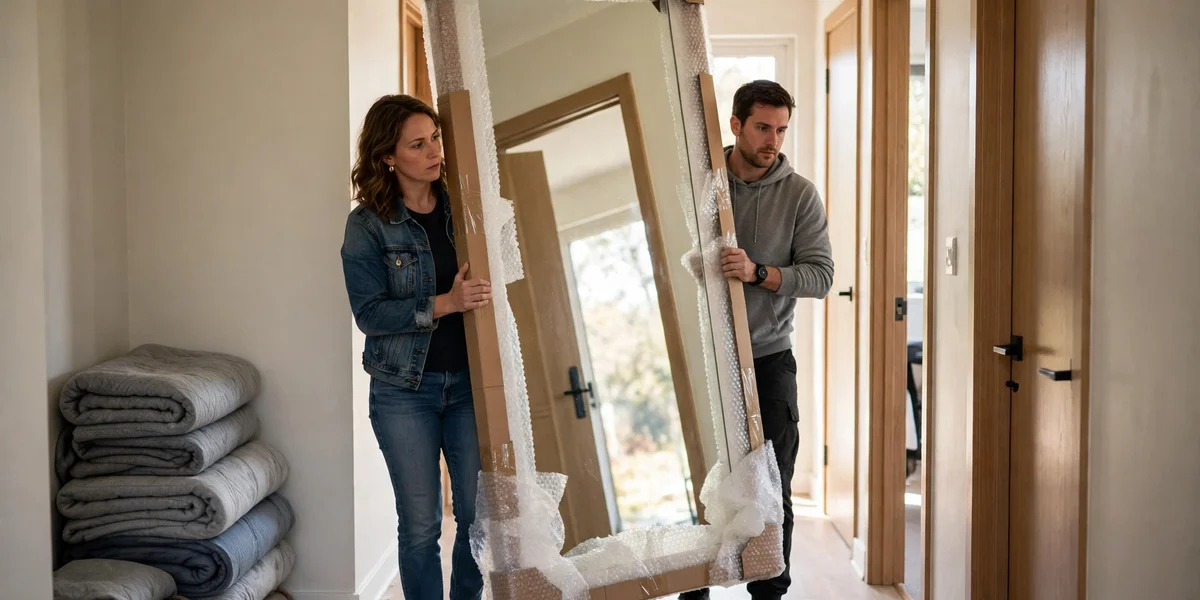
Mirrors and glass tabletops are also highly fragile during a move. To prevent damage, first place packing paper or bubble wrap on the surface. This will add a protective layer that can resist impacts.
Read PackTheMove’s glass packing guide for a clear breakdown of this approach.
To pack it correctly:
- Use a flat cardboard piece or a mirror box for a mirror.
- Secure the edges with bubble wrap so they are protected.
- Add corner protectors to secure the parts you can.
- Wrap the glass or mirror in plastic and tape it shut.
Never lay a glass tabletop flat in the truck. It tends to break easily when laid flat, so always transport it upright, leaning directly on its edge.
How to Wrap Headboards and Bed Frames
Headboards and bed frames have decorative carvings and polished surfaces. Use a moving blanket to cover them first, as bare plastic can scratch them.
Use corner protectors on the top corners, and strap a blanket around the headboard to keep it safe. For low headboards, use moving blankets and bubble wrap to reduce damage.
To wrap headboard and bed frame pieces, lay them flat and wrap them in a blanket. Then, for extra protection, place them in a mattress bag.
How to Wrap Leather Furniture
Leather furniture is valuable but can also be damaged during a move. To protect it, wrap it in a moving blanket before covering it with plastic. Leather can stain from plastic when stored.
Put a moving blanket around the leather and cover the surface with Bubble Wrap so it does not rub against the leather. Avoid wrapping leather in plastic, as that can cause moisture and mildew.
How to Wrap Dressers and Cabinet Furniture
Dressers, wardrobes, and filing cabinets are heavy, so they need the same care as other items. Protect the corners with edge protectors and secure the wrapping thoroughly. For extra strength, put blankets around the drawers covering the drawer fronts and wrap them with stretch wrap to prevent damage.
Empty drawers and place them in boxes to protect them. Cover the edges and protect the handles with padding. Do not block the drawers from closing; if they cannot close, the contents will remain open, and the furniture may shift during transit.
How to Wrap Dining Tables and Desk Furniture
Use moving blankets to reduce scratches and dents on dining tables and desk furniture. Wrap the top edges of the table, as the edges can scratch the wall.
For a dining table or desktop furniture, wrap the surface with moving blankets, then add stretch wrap to hold them in place. Wrap the furniture entirely with moving blanket(s) to prevent scratching.
How to Wrap Mattresses and Bed Frames
Mattresses need protection from dirt, stains, and moisture, and bed frames need protection against dents. A mattress bag provides a clean, dry barrier for this.
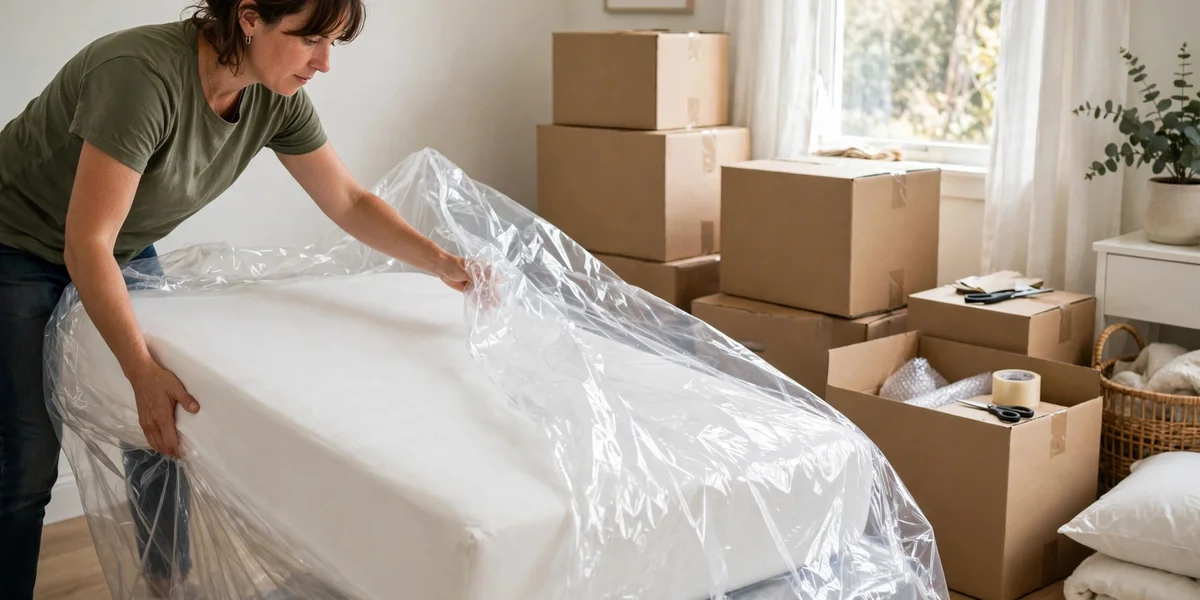
Use a properly sized mattress bag for your mattress, then wrap the bed frame to protect it during the move. A mattress bag also helps keep the mattress clean during storage, so you can unwrap a fresh mattress at your new home.
To pack a mattress:
- Wrap it in a mattress bag.
- Cover it with a moving blanket.
- Tape the ends with packing tape.
If you need one, Banner Mattress provides durable options.
How to Protect Furniture During Moving
Wrapping your furniture is only half the job. The rest depends on how you move and load it. The moving equipment you use and how you pack the truck can determine whether it arrives in good shape.
Use Proper Moving Equipment
A furniture dolly and moving straps are essential when moving large pieces. They let you move an item without dragging it across the floor. They also distribute the pressure evenly.
For heavy items, a dolly can ease the strain, mainly when moving large dressers or wardrobes. When lifting a heavy item, bend your knees to keep the movers’ backs safe. Look at Moving.com’s dolly guide to learn more about safer lifting.
Pack the Moving Truck Carefully
Not everything belongs in a truck in the same way. Place the heaviest items against the walls and the lightest on top. Balance matters, so stop anything from shifting. Public Storage’s truck-loading guide explains this well.
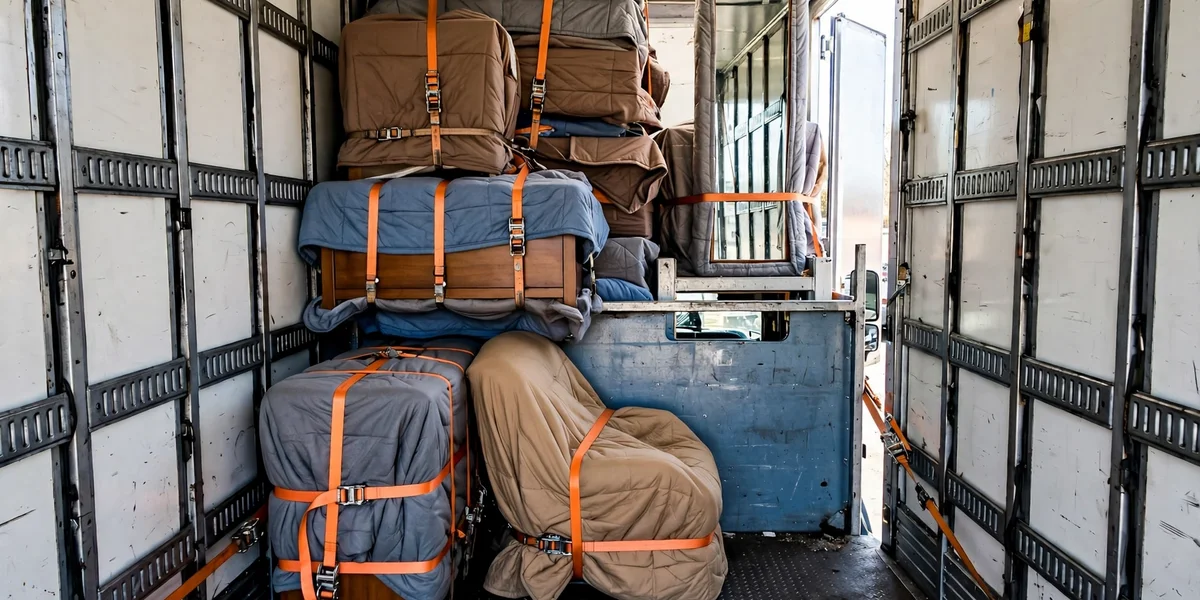
Start by loading:
- Place the largest pieces first to keep the truck balanced.
- Use moving blankets for every furniture surface to prevent scratches and dents.
- Secure items with straps so they stay in place.
Do not rely on boxes alone to keep items in position. PODS warns against that, and the risk is that large items can shift and cause dents.
Prevent Moisture Damage During Moving and Storage
You need to prevent moisture damage to furniture during a move. Humidity can cause damage, especially to metal parts and wooden items. Put desiccant packets around wooden furniture to reduce moisture and keep it away from condensation.
If your storage area is humid, remember that moisture can get inside wrapped furniture. Pay close attention if you are storing furniture where mould may be a risk, and read how to tell if mold on wood furniture is dangerous before you decide how long to keep it wrapped.
If you have concerns about mould, clean and check the furniture carefully before wrapping it for storage. You can also try drying the pieces with a dehumidifier to prevent damage.
Common Furniture Wrapping Mistakes to Avoid
Wrapping furniture for moving is straightforward, but some mistakes can lead to damage. Avoiding these problems leads to better outcomes for your furniture.
Using Plastic Wrap Directly on Wood or Leather
Plastic wrap can trap moisture in wood or leather, leading to damage. Avoid wrapping these surfaces with plastic on their own.
If you use plastic wrap, first put a layer of blankets or pads under it to protect the finish. Make sure the plastic is not touching the wood directly. This will keep moisture from getting in while protecting the furniture.
Wrapping Furniture While It Is Still Dusty or Wet
Wrapping furniture while it is wet or dusty can cause damage. Dirt and grit trapped under the wrapping can scratch surfaces, and moisture trapped inside can lead to mould or unpleasant odours. Always clean and dry furniture first.
Leaving Drawers or Doors Loose or Open During Moving
Leaving drawers or doors loose can cause them to swing freely while still in transit. This can lead to damage. Keep drawers closed and tape doors firmly in place so they do not move during a move.
Failing to Remove Legs from Furniture
Failure to remove legs can lead to damage or snapping. Take off legs before wrapping furniture so it is easier to transport and there is a reduced risk of damage. If you leave the legs on during a move, the furniture can be damaged by impact.
Ignoring Glass Tabletops and Mirrors
Glass tabletops and mirrors need special protection during a move. Treat these items with care to avoid damage during transport. Always transport glass tabletops and mirrors upright, relying on corner protectors and padding.
Wrapping Furniture With Fresh Paint
Do not rush to wrap furniture with fresh paint because it may smudge. Allow the fresh paint to dry completely before wrapping it, or it may crack or peel.
For example, a table with a newly painted surface may need time to cure. Here is how long paint should dry before putting furniture back.
Conclusion
Protecting furniture during a move is not just about covering everything with plastic. The material touching the furniture matters just as much as the outer wrapping.
My recommendation is simple: a proper moving blanket or furniture pad, teamed with bubble wrap for delicate areas, will keep your pieces in good shape.
Need guidance on using moving blankets? The moving supplies market offers helpful products for any type of furniture. Alternatively, contact local professional moving companies to get moving blankets or furniture pads, and remember to place the heaviest pieces against the truck wall.
If you follow the steps outlined here, your furniture will arrive in one piece and ready for your new home.
What Is the Best Material to Wrap Furniture for Moving?
Moving blankets and furniture pads are useful for protecting larger furniture surfaces. Bubble wrap and cardboard provide additional cushioning for fragile components. Stretch wrap helps secure the protective layers from the outside.
Should You Wrap Furniture in Blankets or Plastic First?
Place a moving blanket against the furniture first. Then use stretch wrap around the outside to secure the covering. However, delicate materials such as wood and leather need extra care.
Can You Use Plastic Wrap Directly on Wood Furniture?
It is better to avoid direct plastic contact with finished wood. Plastic can trap moisture against the surface, particularly during storage. Use a clean moving blanket or furniture pad underneath instead.
How Do You Wrap a Couch for Moving?
Start by removing loose cushions and cleaning the upholstery. Cover the couch with a furniture cover or moving blanket, then secure the padding without excessive pressure. Pay particular attention to the arms and corners.
Can You Wrap Furniture Without Moving Blankets?
Yes, clean household blankets can provide an alternative for some furniture. However, they may not offer the same protection as proper moving blankets or furniture pads. Choose the covering according to the furniture’s surface and condition.
How Should You Transport a Glass Tabletop or Mirror?
Always carry it upright, on its edge, never flat. Wrap it in packing paper and bubble wrap, protect the edges and corners with cardboard, and use a mirror box if you have one. Never stack anything on top of it.

Muhammad Muaz
Muhammad Muaz shares practical cleaning, home care, improvement and everyday living guides for Urban Home Guide readers.
Keep Exploring
Related Home Guides