
Do You Tip Furniture Delivery
The delivery truck is almost at your home. You have already paid for the furniture and perhaps a delivery fee. Now you are wondering, do you tip furniture delivery workers…
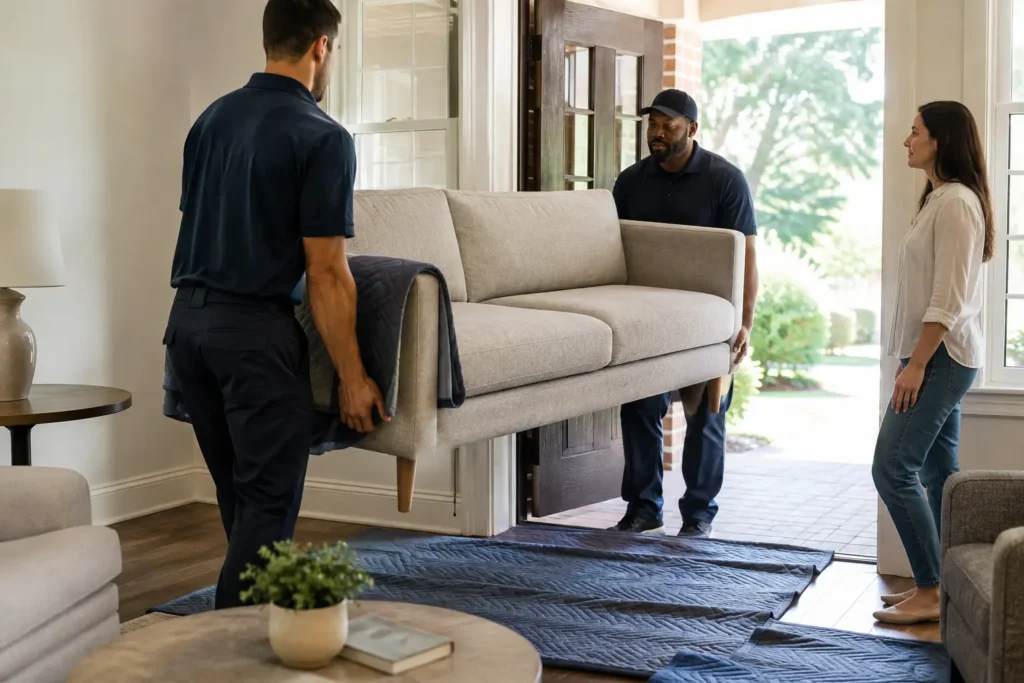
The delivery truck is almost at your home. You have already paid for the furniture and perhaps a delivery fee. Now you are wondering, do you tip furniture delivery workers too?
In the United States, tipping furniture delivery workers is usually optional. However, a tip is a thoughtful way to recognize careful, difficult, or unusually helpful service.
For a standard in-home delivery, a practical guideline is $10 to $20 per worker. Still, that amount is not a fixed national rule. You can adjust it based on the work involved, service quality, and your budget.
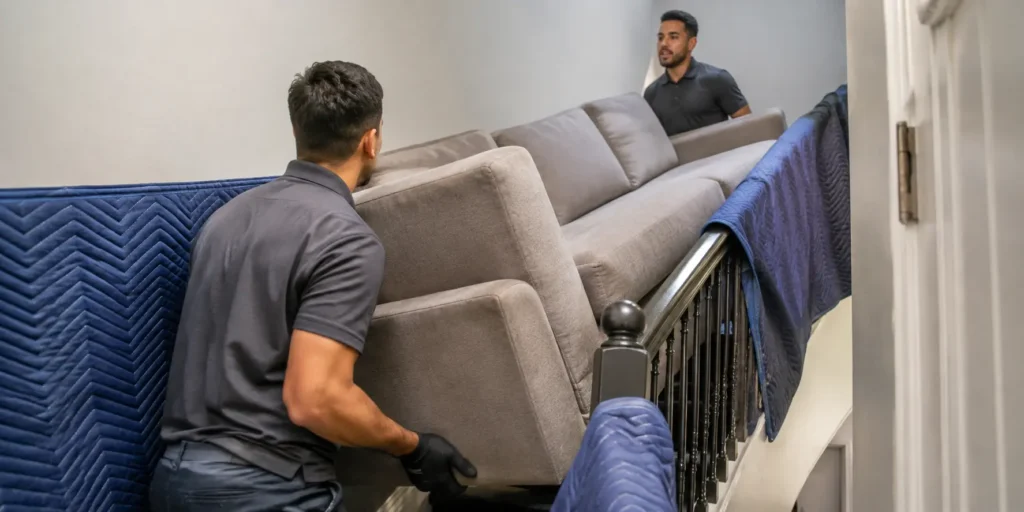
For example, carrying a sectional up three flights of stairs requires more effort than leaving a chair at the curb. Assembly, unpacking, and packaging removal can also justify a larger tip.
On the other hand, you do not have to tip after careless, rude, or incomplete service. You should also check whether a gratuity is already included.
The goal is not to follow an arbitrary percentage. Instead, choose an amount that reflects the actual delivery experience.
Suggested Amount To Tip
A flat amount per worker is usually easier than calculating a percentage of the furniture price.
After all, the price of a sofa does not always reflect the effort needed to deliver it. A costly chair may be easy to carry. Meanwhile, a cheaper sectional may require stairs, tight turns, and assembly.
The following amounts offer a practical starting point. However, they are guidelines rather than strict rules.
| Delivery situation | Practical tipping approach |
|---|---|
| Curbside or basic threshold delivery | No tip is required, although $5 to $10 per worker is a kind gesture |
| Standard delivery into your home | About $10 to $20 per worker |
| Delivery with unpacking or basic setup | Start near the higher end of the standard range |
| Difficult stairs, tight spaces, or several heavy pieces | Consider $20 or more per worker |
| White-glove delivery with assembly and cleanup | Consider the time, care, and extra work performed |
| Poor, careless, or incomplete service | You may choose not to tip |
Always state whether your chosen amount is for each worker or the entire crew.
For example, suppose two workers complete a standard delivery. A $15 tip for each person means a $30 crew total.
That detail prevents confusion. It also ensures one worker does not have to guess how the money should be divided.
Your budget matters too. Therefore, do not treat the highest suggested amount as an obligation. A smaller tip can still show appreciation.
Factors That Influence Furniture Delivery Tips
The fairest approach is to base your decision on effort and service.
Several factors can make a furniture delivery harder than expected.
The number and weight of the items
One lightweight chair is different from a full bedroom set. Likewise, several boxes may require repeated trips between the truck and your home.
A larger order does not always require a large tip. However, extra carrying and handling can justify giving more.
Stairs and difficult access
Stairs can greatly increase the work involved. This is especially true when the furniture is heavy or awkwardly shaped.
Narrow hallways, small elevators, tight corners, and distant parking areas can also add difficulty.
Still, normal access challenges are part of the delivery job. You do not need to reward every small inconvenience. Instead, consider whether the crew handled a genuinely difficult situation with care.
Assembly and setup
Some delivery services only bring the furniture inside. Others include assembly, positioning, and adjustments.
For example, the crew may attach legs, build a bed frame, connect sectional pieces, or position a dining table.
Assembly takes additional time and skill. Therefore, it can support a higher tip when the workers complete it correctly.
Unpacking and packaging removal
White-glove services may include opening boxes, removing protective materials, and taking the packaging away.
This service saves you time and leaves less cleanup. As a result, it may deserve more recognition than a basic drop-off.
However, first check what your paid service already includes. Workers should not receive an extra reward simply for completing a service you purchased.
The tip should recognize how well they performed that service.

Careful handling
Good delivery workers protect more than the furniture. They also avoid damaging walls, floors, railings, and door frames.
For instance, they may use blankets, move slowly around corners, and communicate before lifting.
That level of care matters. Therefore, it is reasonable to consider it when choosing your tip.
Professionalism
Punctuality, clear communication, and respectful behavior improve the experience.
However, the crew may not control every delay. A retailer, warehouse, or traffic problem may affect the schedule.
Try to judge what the workers could control. Then base your decision on their conduct and performance.
Weather conditions
Rain, snow, or extreme heat can make delivery more difficult. Workers may also need extra care to protect your furniture.
Still, bad weather alone does not create an automatic tipping requirement. Instead, consider whether the crew worked safely and protected your home and purchase.
Tip Smart
My practical rule is simple: start with the service level, then adjust for meaningful extra effort.
First, ask what type of delivery you purchased. Next, look at the actual work completed. Finally, consider how carefully and professionally the crew handled it.
Before delivery day, confirm how many workers are expected. Then prepare smaller bills if you plan to tip in cash.
Also, avoid using the furniture price as your main guide. Delivery workers handle the item, but they do not set its retail value.
A flat amount per worker is usually clearer and more consistent.
How Much Should You Tip Furniture Delivery?
A standard range of $10 to $20 per worker works for many in-home deliveries.
However, the right amount depends on the situation. A quick and easy delivery may fall near the lower end. A difficult delivery may justify more.
Consider the following example.
Two workers bring a sofa into a ground-floor living room. The path is clear, and no assembly is required. A tip near the lower or middle part of the range may feel reasonable.
Now consider a different delivery.
Two workers carry a heavy sectional upstairs. They navigate a narrow hallway, assemble the pieces, and remove all packaging. In that case, a higher amount may better reflect the work.
The key phrase is per worker.
If you decide on $20 per person and three people complete the delivery, the crew total would be $60.
Therefore, count the workers before reaching for cash. Do not assume every delivery uses a two-person team.
Flat Amount Versus Percentage
Some tipping advice uses a percentage of the furniture price. However, this method can produce unreasonable results.
For example, a small designer chair may cost more than a large budget sofa. Yet the sofa may require far more physical effort.
A percentage also creates unusually large tips for expensive furniture. Meanwhile, the delivery service itself may not have changed.
Therefore, an effort-based flat amount is often more useful.
Still, you may give more for exceptional service. Your decision should reflect the work, not pressure from a formula.
Do You Tip Furniture Delivery After Paying a Fee?
A delivery fee does not always mean a tip is included.
Usually, the fee covers the retailer’s or delivery company’s cost of providing the service. However, payment arrangements vary between companies.
Therefore, check your receipt or order details before assuming anything.
Look for terms such as:
- Gratuity
- Included tip
- Driver gratuity
- Service charge
- White-glove service fee
- Assembly fee
- Room-of-choice delivery
- Packaging removal
A service fee and a gratuity are not always the same thing. For example, a white-glove fee may cover assembly and cleanup without including a personal tip.
Still, paying a delivery fee does not create a second obligation. Tipping remains a personal choice unless your agreement clearly states otherwise.
You can also ask the retailer whether workers may accept tips. Some companies may have specific rules.
If gratuity is already included, you do not need to add another tip. However, you may still offer extra recognition for exceptional work.
The main point is to check first. That step helps you avoid paying twice or making an incorrect assumption.
When Should You Avoid Tipping?
Tipping is optional, so there are valid reasons to give nothing.
You may decide not to tip when:
- A gratuity is already included
- Company policy prevents workers from accepting tips
- The crew handles the furniture carelessly
- Avoidable damage occurs
- Paid assembly or setup remains unfinished
- Workers behave rudely or disrespectfully
- The delivery does not match the service you purchased
- Your budget does not allow an extra payment
However, separate worker performance from retailer problems.
For example, the delivery crew may arrive with the wrong item because the warehouse made an error. Likewise, the retailer may schedule an unrealistic delivery window.
In those situations, the workers may not be responsible.
On the other hand, careless handling is different. If a worker damages your wall by rushing, you may reasonably withhold a tip.
Before deciding, inspect the furniture and nearby areas. Check walls, floors, doors, and railings.
Also, make sure every promised service is complete. For example, confirm that assembly is finished and packaging is removed when included.
Do not use a tip to settle a damage dispute. Instead, document the problem and contact the retailer.
Finally, do not feel ashamed if your budget is tight. Respectful treatment, a clear path, and a sincere thank-you still matter.
How to Tip Furniture Delivery Drivers
The easiest time to tip is after the work is complete.
First, inspect the furniture. Next, confirm that assembly, placement, and cleanup match your order. Then give the tip directly to the workers.
Cash is often simple because it requires no account or app. However, digital payment may work when the company permits it.
Workers may use services such as Venmo, Zelle, or Cash App. Still, do not assume they accept digital tips.
Ask politely after the delivery. A simple question works well:
“Are you allowed to accept tips, and do you prefer cash or digital payment?”
When possible, give each worker their share directly. This approach removes confusion about splitting the money.
However, you may give the full amount to one worker. If you do, clearly explain that it is for the entire crew.
For example, say:
“This is $40 for the two of you.”
The exchange does not need to feel formal. A brief thank-you is enough.
Also, avoid discussing the tip before the service. Waiting until the end lets you judge the completed work fairly.
What To Do Before A Furniture Delivery
Good preparation makes delivery easier and lowers the risk of damage.
First, confirm the service level you purchased. Find out whether the order includes:
- Curbside delivery
- Threshold delivery
- Room-of-choice placement
- Unpacking
- Furniture assembly
- Packaging removal
- Old-furniture haul-away
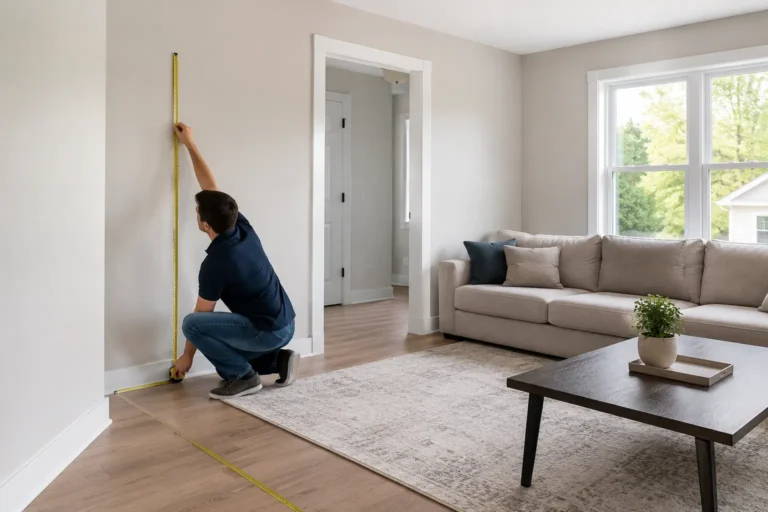
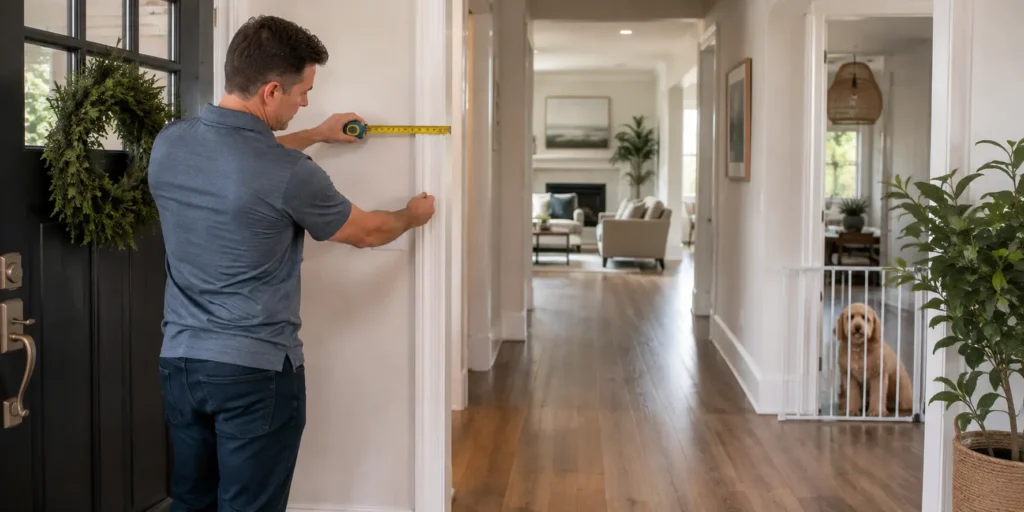
Next, measure your doors, hallways, stairs, and elevators. Do not rely only on the furniture’s listed width.
A sofa may need to turn through a doorway. Therefore, consider the complete path from the truck to the final room.
Clear boxes, shoes, rugs, toys, and fragile objects from that path. Also, move small tables and decorations that could get knocked over.
Secure pets before the crew arrives. Even friendly animals can create a tripping risk around heavy furniture.
Likewise, keep children away from the lifting area.
If your building has delivery rules, check them early. For example, an apartment may require elevator reservations or proof of insurance.
Also, decide where the furniture should go before the truck arrives. Changing rooms after the item is inside can create unnecessary work.
Keep your phone nearby during the delivery window. The crew may call for directions, gate access, or parking details.
Finally, prepare a possible tip without treating it as mandatory. Smaller bills make it easier to adjust the amount after seeing the service.
Conclusion
Tipping furniture delivery workers is not usually necessary. However, it can be a kind way to recognize careful and demanding work.
For a standard in-home delivery, $10 to $20 per worker is a practical starting point. Then adjust the amount for stairs, heavy items, assembly, difficult access, and exceptional care.
Also, check whether gratuity is already included. A delivery fee alone does not always answer that question.
Most importantly, do not let the decision become a source of guilt. Base your tip on the service you received and the amount you can comfortably afford.
My final rule is straightforward: reward meaningful effort, judge workers only for what they control, and state the amount per person.
That approach is fair to the crew and easy for you to follow.
FAQs
Do you tip each furniture delivery person?
Yes, it is usually clearest to calculate the tip per worker. You can hand each person their share or state that one amount is for the entire crew.
Do you tip if furniture delivery is free?
Free delivery does not automatically include a gratuity. You may still tip when the workers provide careful, helpful, or difficult service.
Do you tip after paying a delivery fee?
You may, but you are not required to do so. Check whether the fee includes gratuity, since a delivery charge and a tip are not always the same.
Do you tip white-glove furniture delivery?
A tip can be appropriate when white-glove workers unpack, assemble, position, and clean up carefully. However, first check whether the service charge includes gratuity.
Do you tip furniture delivery and assembly workers?
You may tip more when the crew completes significant assembly or setup. Base the amount on the extra time, difficulty, and quality of the work.
Do you tip curbside furniture delivery?
A tip is less expected for curbside delivery because the service is limited. Still, a small tip can recognize helpful or careful service.
Do you tip for sofa or mattress delivery?
The same general guidance applies. Consider the item’s weight, stairs, room placement, setup, and the care shown by each worker.
What if I do not have cash?
Ask whether the workers can accept a digital tip. Otherwise, offer a sincere thank-you, bottled water, or positive feedback to the company.
Should I tip if my furniture arrives damaged?
You do not need to tip for careless service that causes damage. Document the problem, note it on the delivery paperwork, and contact the retailer.
Should I tip the driver and helper equally?
Equal amounts are usually the simplest choice when both workers contribute. However, you may adjust the amount when one person clearly performs much more work.
Is it rude not to tip furniture delivery workers?
Usually, no. Furniture delivery tipping is generally optional, although workers may appreciate recognition for difficult or excellent service.
Should I tip before or after delivery?
Tip after the delivery is complete. That way, you can inspect the furniture and judge the full service before deciding.

Muhammad Muaz
Muhammad Muaz shares practical cleaning, home care, improvement and everyday living guides for Urban Home Guide readers.
Related Home Guides