
Where to Sell Furniture:
You may be moving, clearing a family home, or replacing an old sofa. Either way, deciding where to sell furniture can be harder than expected. One platform offers local buyers,…

You may be moving, clearing a family home, or replacing an old sofa. Either way, deciding where to sell furniture can be harder than expected. One platform offers local buyers, another may help with delivery, and a consignment store can handle much of the process while taking a share of the sale.
The best choice depends on three things: the item, your deadline, and how much work you want to manage. A common dining table needs a different selling plan from a signed antique cabinet. Likewise, someone who needs space immediately should not use the same method as a seller seeking the highest possible price.
This guide explains the main selling options, pricing, consignment, specialist estimates, pickup, and common safety concerns.
Where to Sell Furniture Without Facebook
Facebook Marketplace is popular, but it is not the only option. Some sellers dislike frequent messages, low offers, or sharing personal details. Others do not use Facebook at all.
Several alternatives can work, but each suits a different type of furniture and seller.
| Selling option | Best for | Main advantage | Main drawback |
| OfferUp | Everyday furniture sold locally | Simple local listings | You manage messages and pickup |
| Craigslist | Large items and local cash sales | Wide local reach in many areas | Limited transaction support |
| Nextdoor | Neighborhood sales | Nearby buyers may simplify pickup | Smaller buyer pool |
| Chairish | Vintage, designer, and higher-value pieces | Focused furniture audience | Curation and commissions |
| AptDeco | Furniture in supported service areas | Managed delivery may reduce hassle | Availability varies by location |
| eBay | Smaller or shippable pieces | Large buyer audience | Shipping large furniture is difficult |
| Etsy | Handmade or qualifying vintage pieces | Strong niche audience | Ordinary used furniture may not qualify |
| Consignment store | Sellers who want less work | Store handles much of the sale | Lower net payout |
| Estate-sale company | A full home or many items | Handles larger liquidations | Less control over individual pricing |
| Auction house | Important antique or designer pieces | Access to specialist buyers | Most furniture will not qualify |
Local Classified Platforms
OfferUp, Craigslist, and Nextdoor are practical for sofas, tables, dressers, desks, and bed frames. These items are usually easier to sell near home because shipping may cost more than the furniture is worth.
Local platforms work best when you can photograph the item, answer questions, and arrange pickup yourself. They suit sellers who want more control and do not mind dealing directly with buyers.
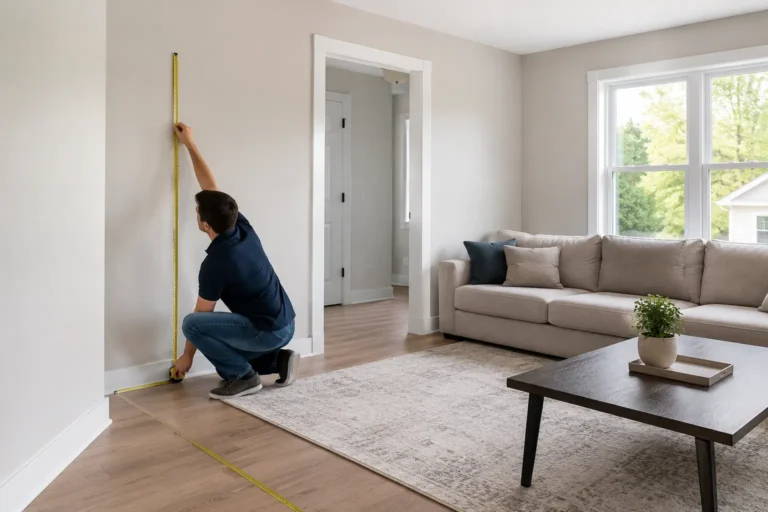
Include exact dimensions, floor level, elevator access, and whether the piece comes apart. Buyers may lose interest after discovering that a sofa will not fit through a stairwell or into their vehicle.
Set clear pickup terms. State whether the buyer must bring help and whether you can assist with lifting. This prevents confusion at the door.
Managed Marketplaces and Consignment
A managed furniture marketplace can reduce the hardest part of the sale. Depending on the service and location, it may help with delivery or buyer coordination.
This can be useful when you do not have a truck or do not want to manage the moving process. However, service areas and fees can change, so check the current terms before listing.
Consignment stores are another hands-off option. The store may photograph, display, and market the piece. In return, it keeps part of the sale price.
This route often makes sense for quality furniture with enough value to justify the commission. It may not suit a low-cost bookcase or damaged table, where a direct local sale could leave you with more money.
Specialist Channels
Chairish, Etsy, eBay, and auction houses serve narrower markets.
Chairish is more suitable for selected vintage, designer, and higher-value furniture. Etsy can work for handmade pieces or qualifying vintage items. eBay is often more practical for smaller pieces that can be packed and shipped.
Auction houses may consider important antiques, recognized designers, or pieces with strong ownership history. However, age alone does not make furniture valuable.
How to Sell Antique Furniture with Sotheby’s
Sotheby’s is not a general used-furniture marketplace. It is a specialist route for furniture that may have notable value, authorship, rarity, or history.
Consider requesting a specialist estimate before posting locally when the piece has:
- A clear maker’s mark or designer label
- Documents showing ownership or purchase history
- A known period, style, or workshop
- Unusual materials or strong craftsmanship
- An earlier appraisal
- A connection to an important collection
- Condition that supports specialist interest
Do not assume every inherited piece belongs at auction. Many older items have limited resale demand. Size, restoration, condition, and local taste can all affect interest.
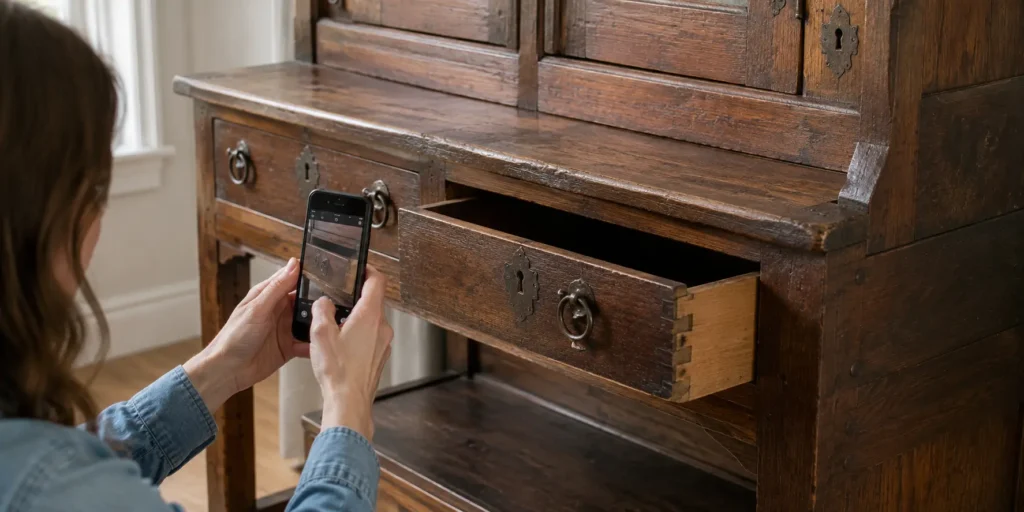
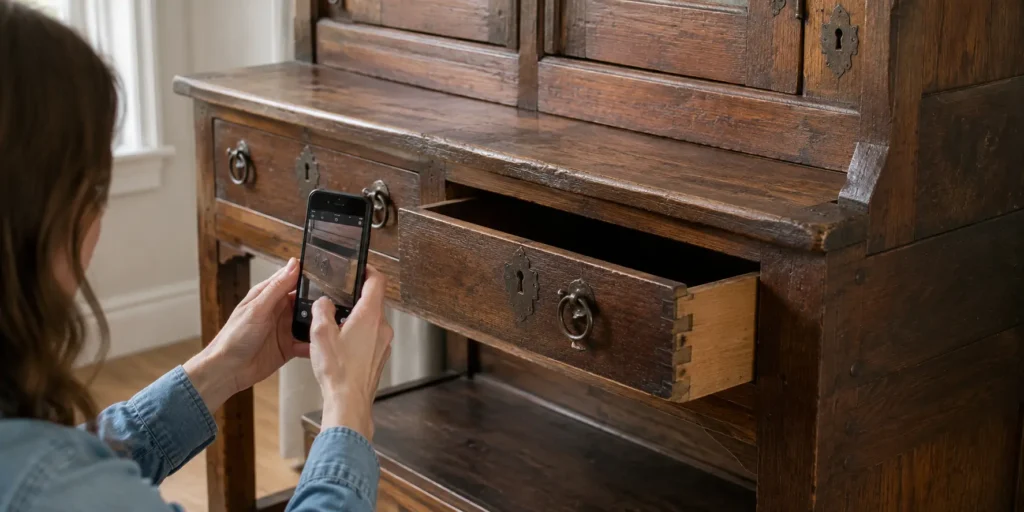
Photograph every side of the item. Capture labels, stamps, joints, hardware, repairs, and damage. Accurate details help a specialist judge whether the piece is suitable.
Furniture with a recognized maker, clear provenance, rare design, and enough value to support fees and transportation is more likely to suit a specialist auction. A common retail brand, widely available style, or modest-value item will usually perform better through a local sale, dealer, or consignment store.
If the piece does not fit an auction house, that does not mean it is worthless. It may sell better through a regional dealer, antique store, consignment shop, or local marketplace.
Antique Furniture Consignment
Consignment can save time, but it reduces your control over the sale. The consignor may set the display price, schedule markdowns, and decide how to market the piece.
Before signing, ask:
- What commission will you keep?
- Are there pickup, storage, photography, or delivery fees?
- How long is the consignment period?
- Can the price be reduced without my approval?
- When will I receive payment?
- What happens if the item does not sell?
- Who covers damage while the furniture is stored?
- Can I list the item elsewhere during the agreement?
Read the full agreement before moving the furniture. A pickup charge, storage fee, or automatic markdown can significantly change your final payout.
Consignment works best when the store already attracts the right buyer. For example, a modern design shop may not be the best place for a heavy Victorian cabinet. Review the store’s current inventory before committing.
Find Out the Value of Your Furniture
Pricing often causes more stress than choosing a platform. Sellers may focus on the original retail price, while buyers compare the item with current alternatives.
Start by searching for similar furniture in your area. Match the brand, size, material, age, and condition as closely as possible.
Do not rely only on active listings. An unsold listing shows what a seller wants, not what a buyer will pay. Use sold examples when available and notice how long similar local listings remain active.
Several factors affect resale value:
- Brand or maker
- Current condition
- Original quality
- Materials and construction
- Size and moving difficulty
- Local demand
- Current style preferences
- Repairs or alterations
- Provenance
- Smells, stains, scratches, or missing parts
Be honest about condition. A close photo of a scratch may reduce some offers, but it also prevents disputes and wasted pickup visits.
If the item may be important, get a professional opinion before setting a price. This is especially useful for signed, documented, or unusual furniture. For ordinary household pieces, local comparable listings are often more useful than a formal appraisal.
Get Started with an Estimate
A useful estimate begins with clear evidence. You do not need to know every detail, but you should provide enough information for an informed review.
Prepare:
- Front, back, and side photos
- Close photos of labels, marks, and signatures
- Photos of damage, repairs, and replaced parts
- Height, width, and depth
- Material details, when known
- Purchase records or earlier appraisals
- Ownership history
- Current location
- Information about stairs, elevators, or difficult access
Use natural light and clear the area around the furniture. A clean background makes the shape and condition easier to judge.
Do not use filters that change the color or hide damage. Accurate images build trust and reduce the chance of later disagreement.
An estimate does not guarantee acceptance. Acceptance may also involve fees, shipping needs, or timing requirements, so review the full process before agreeing.
How to Prepare Furniture for a Faster Sale
A strong listing reduces basic questions and helps serious buyers act faster.
First, clean the item without causing damage. Use products suited to the material. Avoid harsh chemicals on delicate finishes and aggressive sanding or repair work on possible antiques, as poor restoration can reduce interest.
Next, take clear photos. Include the full piece, corners, hardware, labels, and flaws. Measure the furniture carefully.
Your description should include:
- Brand or maker, if known
- Exact dimensions
- Material and color
- Age, when known
- Condition
- Damage or repairs
- Whether it comes apart
- Pickup location
- Moving requirements
- Payment method
Set a clear pickup plan. Keep communication on the platform when possible. Do not trust screenshots as proof of payment; confirm funds through the actual payment service.
If someone collects furniture from your home, share the exact address only when the plan is firm. Have another adult present when possible, and state in advance who will handle lifting and loading.
Conclusion
The best place to sell furniture is the one that fits the item and your goal. For common household pieces, a strong local platform is usually the best starting point. Clear photos, honest condition notes, and a simple pickup plan often matter more than sales language.
For quality vintage or designer furniture, compare a specialist marketplace with local consignment. Seek an estimate before listing any signed, documented, or unusual antique at a casual price.
Decide whether speed, price, or convenience matters most. Once that priority is clear, choosing the right selling channel becomes much easier.
Frequently Asked Questions
Where Can I Sell Furniture Quickly?
Local platforms such as OfferUp, Craigslist, and Nextdoor can be practical for fast sales. Price the item against similar local listings and make pickup easy.
What Is the Best Place to Sell Furniture Locally?
The best choice depends on buyer activity in your area. Start with the platform that appears strongest locally, then cross-list carefully if the item gets little interest.
Who Buys Used Furniture and Picks It Up?
Some consignment stores, estate-sale companies, and managed marketplaces may arrange pickup. Coverage and fees vary, so confirm the terms first.
Is Consignment Worth It?
Consignment can be worthwhile when the furniture has enough value to support the commission. It is also useful when convenience matters more than keeping the full sale price.
How Do I Know Whether Furniture Is Antique?
Age alone is not enough. Look for maker’s marks, construction details, records, and earlier appraisals. A qualified specialist can help with an unusual or potentially important piece.
How Can I Avoid Furniture Marketplace Scams?
Keep messages on the platform when possible. Verify payment inside the actual payment service, and avoid gift cards, overpayments, and requests for verification codes.
What Should I Do If My Furniture Does Not Sell?
Improve the photos, rewrite the title, and compare the price with nearby listings. Then consider a lower price, another platform, consignment, donation, or responsible disposal.

Muhammad Muaz
Muhammad Muaz shares practical cleaning, home care, improvement and everyday living guides for Urban Home Guide readers.
Related Home Guides