
Is Home Duct Cleaning Necessary
Is home duct cleaning necessary? This is a common question for homeowners who see dust around vents, smell a musty odor, move into an older home, or worry about allergies.…
Is home duct cleaning necessary? This is a common question for homeowners who see dust around vents, smell a musty odor, move into an older home, or worry about allergies. It can feel confusing because some companies say duct cleaning is a must, while others say it is a waste of money. Many homeowners also worry about scams, high prices, and whether their family is breathing dirty air.
From reviewing EPA guidance, HVAC advice, and real homeowner concerns, the best answer is this: duct cleaning is not needed for every home. In most cases, light dust on vents is normal. But duct cleaning can be worth it when there is substantial visible mold, pests, heavy dust, debris, or particles blowing from supply vents. This guide explains how to check your ducts, when to clean them, when to skip it, and how to avoid paying for a service you do not need.
Quick Answer
A good rule is this: clean ducts because you found a problem, not because a calendar says it is time. If you are unsure, start with a filter change, a vent inspection, and a basic HVAC check.
Home duct cleaning is not necessary for most homes. It may be needed if there is substantial visible mold, rodents or insects, clogged ducts, or dust and debris blowing from supply vents.
If your ducts only have light dust and your HVAC system works well, cleaning is usually not needed.
Before spending hundreds of dollars, inspect your vents, check your filter, and look for clear signs of contamination.
Home Duct Cleaning Decision Table
| Situation | Is duct cleaning necessary? |
| Light dust on vent covers | Usually no |
| Substantial visible mold in ducts | Yes, but fix moisture first |
| Rodents or insects in ducts | Yes, after pest control |
| Dust or debris blowing from vents | Often yes |
| Recent home renovation | Maybe |
| Moving into a new home | Only if inspection shows problems |
| Allergy symptoms only | Maybe, but check other causes first |
| Musty smell from vents | Maybe, inspect for mold or moisture |
| Weak airflow | Maybe, but check filters, leaks, and HVAC issues |
| Leaky ducts | Duct sealing may be better |
| Normal yearly maintenance | Usually no |
What Is Air Duct Cleaning?
In simple words, duct cleaning is source removal. The cleaner should remove contaminants from the system instead of only spraying fragrance or sanitizer into the ducts.
Air duct cleaning is the cleaning of parts inside your heating and cooling system. This may include the supply ducts, return ducts, registers, grilles, coils, blower motor, drain pan, and air handler.
The goal is to remove dust, dirt, debris, pet hair, pollen, mold, or pest waste from the system.
A real duct cleaning job is not just a quick vacuum around the vents. It should clean the parts of the HVAC system that move air through your home.
This matters because your ducts are only one part of the system. If the rest of the system is dirty, your ducts may get dirty again.
Professional duct cleaners use special tools. These tools loosen dust and debris. Then a strong vacuum removes the material from the system.
Why Homeowners Ask If Duct Cleaning Is Necessary
The confusion usually comes from marketing. Many ads make duct cleaning sound like yearly maintenance, but most homes need inspection first, not automatic cleaning.
Most people ask this question because they are unsure. They want a clear answer before they spend money.
You may be asking because:
- You see dust around vents.
- You are buying a home.
- You are moving into an older house.
- Someone in your home has allergies.
- Your home smells musty.
- You had recent remodeling work.
- You have pets.
- You noticed weak airflow.
- A company offered duct cleaning at a low price.
- You worry duct cleaning may be a scam.
These are normal concerns. But duct cleaning is not the right answer for every home.
The goal is to find the real cause of the problem first.
When Is Home Duct Cleaning Necessary?
Before you approve the service, ask for photo or video evidence. A professional should be able to show the condition inside the ducts or HVAC components before recommending a full cleaning.
Home duct cleaning may be necessary when there is a clear reason for it.
The most common reasons are mold, pests, heavy dust, or debris inside the ducts.
Here are the main signs to watch for.
Substantial Visible Mold Growth
Mold is one of the strongest reasons to consider duct cleaning, but the cause matters more than the stain. Look for condensation, roof leaks, plumbing leaks, wet insulation, clogged drain pans, or high indoor humidity.
If you see substantial visible mold inside hard duct surfaces, duct cleaning may be needed. Mold can also grow on other HVAC parts, such as coils or the air handler.
But be careful. Not every dark spot is mold. Ask the company to show you the problem. If needed, have the substance tested.
You should also fix the moisture problem first. If moisture is not fixed, mold can come back.
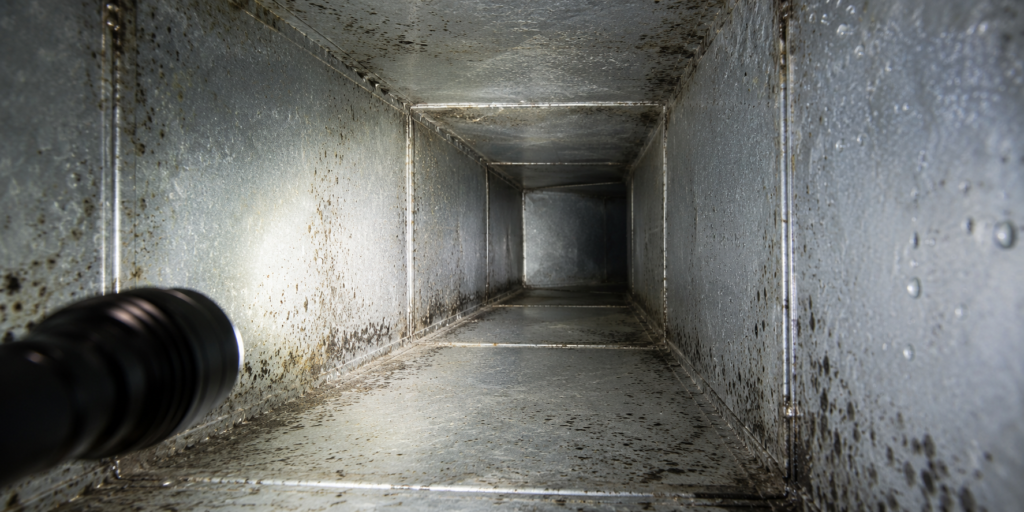
If your ducts have wet or moldy insulation inside them, cleaning may not be enough. In that case, damaged parts may need to be replaced.
Rodents or Insects
After pest control, ask whether any entry points near ductwork, crawl spaces, attics, or basements need sealing. Cleaning without blocking entry points may only give temporary results.
If rodents or insects are inside your ducts, cleaning may be needed after pest control.
Pests can leave droppings, nesting material, odor, and germs behind. First, stop the infestation. Then clean the affected duct system.
If you only clean the ducts but do not remove the pests, the problem will return.
Heavy Dust or Debris
A useful test is to run the system and watch the supply vents. If visible particles come out repeatedly, that is more concerning than dust sitting quietly on a grille.
Duct cleaning may be useful if ducts are clogged with dust or debris. It may also help if particles are coming out of your supply vents.
This is different from light dust on a vent cover. Light dust is normal. Heavy dust blowing into rooms is not normal.
You may also see this after a remodel, construction project, or long period of poor HVAC care.
Poor Airflow
If only one or two rooms have weak airflow, the problem may be a disconnected duct, crushed flex duct, closed damper, or leak. Cleaning will not fix those problems.
Weak airflow can have many causes. Dirty ducts may be one cause. But leaky ducts, clogged filters, blocked vents, or HVAC problems can also cause poor airflow.
So, do not assume cleaning is the only answer. A good HVAC inspection can help find the real issue.
When Is Home Duct Cleaning Not Necessary?
Routine yearly duct cleaning is usually not needed when the system is clean and working normally. In that case, spending money on filter replacement, HVAC maintenance, or duct sealing may give better value.
Home duct cleaning is not always worth the money. In many homes, it is not needed at all.
You may not need duct cleaning if:
- There is only light dust on vent covers.
- No dust is blowing into rooms.
- There is no visible mold.
- There are no pests.
- There is no musty smell.
- Your HVAC system works well.
- Your air filter is changed often.
- Your main issue is normal household dust.
Dust on return vents is common. It does not always mean your ducts are full of dirt.
In many cases, you can remove the vent cover and clean it with a vacuum. You can also replace the HVAC filter and keep the area around vents clean.
Also, duct cleaning is not a proven cure for allergies. Allergies can come from many sources. These include pets, carpet, bedding, pollen, mold, dirty filters, and humidity.
So, before you book a duct cleaning service, look for clear signs that your duct system has a real problem.
Is Air Duct Cleaning Necessary Before Moving Into a New Home?
A pre-move inspection is more useful than guessing. It gives you a chance to check the ducts before furniture blocks vents and before daily dust makes the source harder to identify.
Air duct cleaning before moving into a new home is not always required.
Many first-time home buyers worry about old dust, pet hair, odors, or germs from the previous owner. That concern makes sense. But you should inspect the home first.
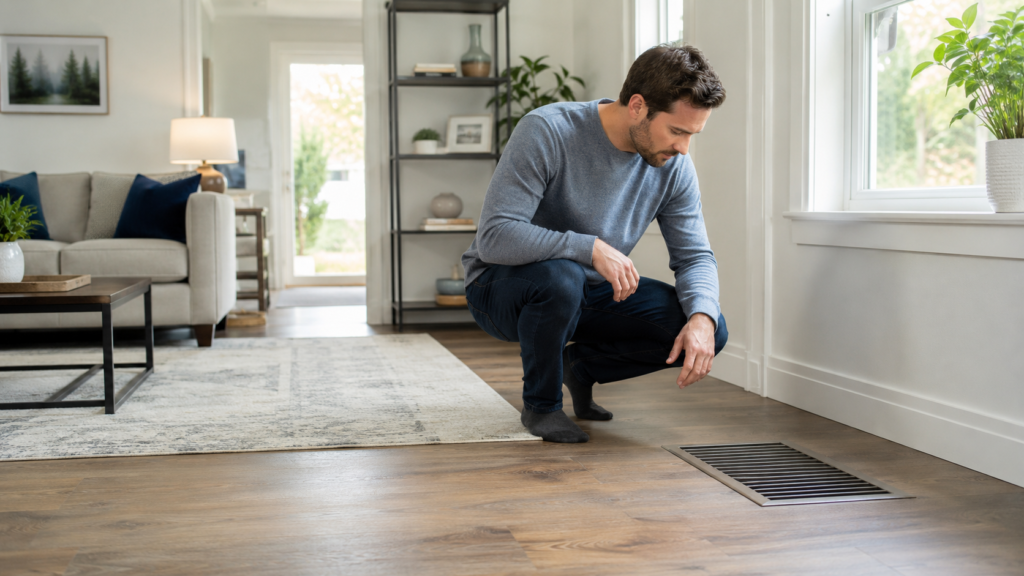
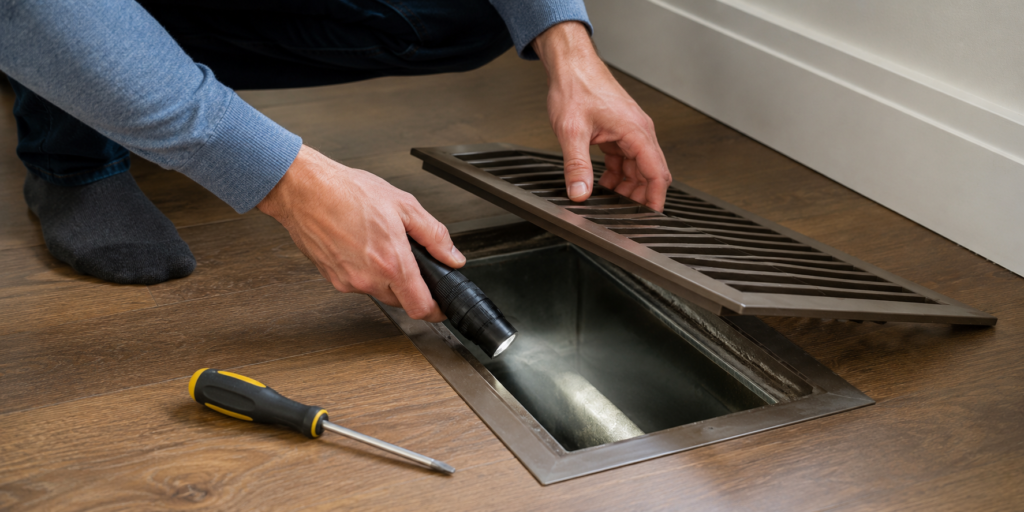
Before you pay for duct cleaning, do these simple checks:
- Remove a few vent covers.
- Look inside with a flashlight.
- Check the return vents.
- Look at the HVAC filter.
- Smell for musty odors when the system runs.
- Look for pet hair, pest droppings, or heavy debris.
- Ask for HVAC service records if possible.
If everything looks clean, you may only need to replace the air filter and clean the vent covers.
However, duct cleaning may be worth it before moving in if the home had pets, smokers, pests, water damage, mold, or recent construction work.
It may also be helpful if the HVAC system was not maintained for many years.
Buying a home does not automatically mean the ducts need cleaning. The condition of the ducts matters more than the age of the home.
Is Duct Cleaning Necessary After Renovation?
The biggest renovation risk is fine dust. Drywall and sawdust can settle inside return ducts, coat the filter quickly, and spread when the system turns on.
Duct cleaning may be worth it after a major renovation. This is especially true if construction dust entered the HVAC system.
Drywall dust, sawdust, insulation dust, and debris can move through ducts if vents were left open during the work.
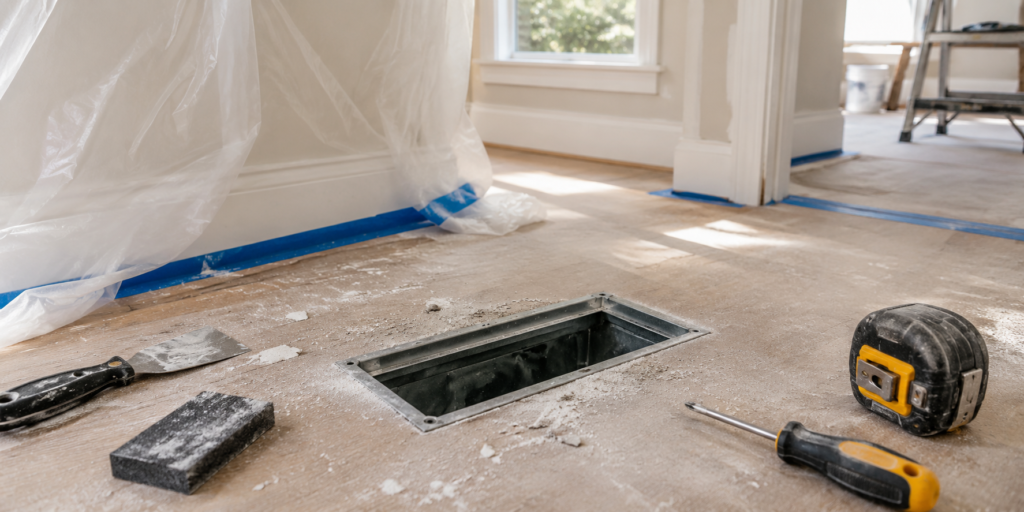
You may want to inspect your ducts after renovation if:
- Vents were not covered during the project.
- The HVAC system ran during the work.
- You see dust blowing from vents.
- You smell dust or debris when the system runs.
- The air filter gets dirty very fast.
- There is visible debris inside duct openings.
However, duct cleaning may not be needed if the vents were sealed, the HVAC system was off, and there is no sign of dust or debris in the ductwork.
A good first step is to replace the air filter and clean all vent covers. Then inspect the ducts before paying for a full cleaning.
Is Duct Cleaning Worth It for Pet Owners?
Pet homes often benefit more from filter discipline than from frequent duct cleaning. Use a properly fitted filter and replace it more often if it loads with hair or dander quickly.
Duct cleaning may be worth it for some pet owners, but not always.
Pets can add hair, dander, and odor to a home. Some of that material may collect near vents or inside return areas.
However, pet dander can also be in carpet, furniture, bedding, curtains, and clothing. So duct cleaning alone may not solve the whole problem.
If you have pets, start with these steps:
- Replace the HVAC filter.
- Vacuum often.
- Clean return grilles.
- Wash pet bedding.
- Brush pets often.
- Check ducts for heavy hair or debris.
Duct cleaning may be useful if pet hair, dander, or odor is clearly inside the duct system. But if the ducts look clean, filter replacement and regular cleaning may be enough.
Does Duct Cleaning Prevent Health Problems?
This section is important because many homeowners are sold duct cleaning with fear-based health claims. Be cautious of any company promising to cure asthma, allergies, headaches, or illness.
Duct cleaning has not been clearly proven to prevent health problems in every home.
Some people believe dirty ducts cause allergies, asthma, or sickness. But indoor air problems can come from many places.
For example, dust can come from outdoor air, pets, cooking, smoking, cleaning, carpets, furniture, and daily movement in the home.
Duct cleaning may help if your ducts have mold, pest waste, or heavy debris. But if there is only light dust, cleaning may not make a big difference.
If someone in your home has serious allergy, asthma, or breathing symptoms, speak with a doctor. Also check for other indoor air problems, such as mold, damp areas, poor ventilation, or dirty filters.
Duct cleaning should be part of a full home check, not the only step.
Does Duct Cleaning Help With Allergies?
For allergy concerns, treat duct cleaning as one possible step, not the first or only solution. The best approach is source control: remove allergens where they actually collect.
Duct cleaning may help with allergies if allergens are actually inside the duct system.
For example, it may help if your ducts contain mold, pest waste, pet hair, heavy dust, or construction debris.
But allergies often come from other places. These may include:
- Pets
- Carpet
- Bedding
- Curtains
- Outdoor pollen
- Mold in bathrooms or basements
- Dirty filters
- High indoor humidity
- Dust on furniture
If allergies are your main concern, do not rely only on duct cleaning.
First, replace the filter. Then clean the home, control moisture, and check for mold. If you still see signs of duct contamination, then duct cleaning may be worth considering.
Can Duct Cleaning Improve Indoor Air Quality?
Indoor air quality depends on source control, filtration, ventilation, and moisture control. Duct cleaning only addresses one part of that system.
Duct cleaning may improve indoor air quality when your duct system has real contamination.
It may help if your ducts contain:
- Mold
- Pest waste
- Heavy dust
- Construction debris
- Pet hair
- Dirt blowing from vents
But duct cleaning may not help much if the ducts are already clean.
In many homes, a better air filter may be a better first step. You may also need better humidity control, air sealing, or HVAC maintenance.
If you have allergies, do not rely only on duct cleaning. Wash bedding, vacuum carpets, use the right filter, reduce pet dander, and control moisture.
Indoor air quality works best when you fix the source of the problem.
How Much Does Air Duct Cleaning Cost?
For SEO and user trust, the price should be explained as a range, not a promise. A small single-system home usually costs less than a large home with multiple HVAC systems.
Air duct cleaning can cost several hundred dollars. In many cases, a full professional cleaning can cost around $450 to $1,000 per heating and cooling system.
The final price depends on several things, such as:
- The size of your home
- The number of ducts and vents
- The size of your HVAC system
- How easy the ducts are to reach
- Your location
- The level of dust or contamination
- Whether mold or pests are involved
- Whether the whole HVAC system is cleaned
Be careful with very cheap offers. A full duct cleaning job takes time, equipment, and trained workers.
A coupon for a very low whole-house price may not include the full job. Some companies use cheap offers to get into the home. Then they add extra charges.
Before you agree, ask for a written estimate. Also ask exactly what parts of the system are included.
Is Air Duct Cleaning Worth the Money?
A simple value test is to ask: will cleaning remove a confirmed source of dirt, odor, mold, or pest debris? If yes, it may be worth it. If not, it may be an unnecessary expense.
Air duct cleaning is worth the money when there is a real problem.
It may be worth it if you have:
- Mold in the duct system
- Rodents or insects
- Heavy dust buildup
- Dust blowing from supply vents
- Debris after renovation
- Musty odors from vents
- Poor airflow caused by duct blockage
It may not be worth it if your ducts only have light dust and your HVAC system works well.
This is why inspection matters. You should not pay hundreds of dollars just because a company says cleaning is due.
Ask for proof first. If there is no clear problem, you may be better off changing the filter, cleaning vent covers, or scheduling HVAC maintenance.
Is Air Duct Cleaning a Scam?
The service is legitimate when done correctly, but the industry has many bait-and-switch offers. The most common scam pattern is a very low advertised price followed by expensive add-ons after the technician arrives.
Air duct cleaning itself is not a scam. But some duct cleaning offers can be misleading.
This is why many homeowners are unsure about it.
A good company will inspect your system first. They will explain what they found. They will show proof of mold, pests, dust, or debris. They will also explain what parts they will clean.
A bad company may use fear or pressure. They may offer a very low price and then add extra fees later. They may also claim that duct cleaning will cure health problems.
Watch out for these red flags:
- Very cheap whole-house deals
- No inspection
- No written quote
- No proof of contamination
- High-pressure sales
- Fake certification claims
- Claims that cleaning will cure illness
- Extra fees after arrival
- Quick vent-only cleaning
- Pushy chemical treatments

Also, remember that the EPA does not certify duct cleaning companies. Be careful if a company claims it is “EPA certified.”
A trustworthy company will answer your questions before you agree to the job.
What Should Professional Duct Cleaning Include?
A proper job should follow the air path through the system. This means the contractor should address both supply and return sides, not just the registers you can see from the room.
A professional duct cleaning company should do more than clean the visible vent openings.
First, they should inspect your system. They may use a camera to look inside the ducts. They should show you what they find.
Next, they should protect your home. They may cover floors, furniture, or work areas.
Then, they should use tools to loosen dust and debris. A strong vacuum should remove the material from the duct system.
A proper service may include cleaning:
- Supply ducts
- Return ducts
- Registers
- Grilles
- Coils
- Drain pans
- Blower motor
- Air handler
- Air filter area
- Air plenum
The company should not leave dust in your home. They should also avoid damaging ductwork.
After the job, ask for proof. This may include photos, videos, or a final inspection.
Proper Air Duct Cleaning Targets the Whole HVAC System
This is one of the biggest missing points in many duct cleaning articles. The ducts, blower, coils, drain pan, and air handler work together, so cleaning only one visible part may not solve the issue.
Proper air duct cleaning should target the whole HVAC system.
This matters because dirt can move from one part of the system to another.
For example, if the ducts are cleaned but the blower is dirty, dust can enter the ducts again. If the coils or drain pan are dirty, odors or mold problems may remain.
That is why a full cleaning should focus on the air pathway, not only the vent covers.
A quick vacuum around the vents is not enough.
If a company only cleans what you can see, it may not solve the real problem.
How to Choose a Duct Cleaning Service Provider
When possible, choose a provider with HVAC experience, insurance, clear pricing, and recognized industry training. Do not rely only on a social media ad or coupon.
Choosing the right duct cleaning company is important.
Poor duct cleaning can make indoor air worse. It can also damage ducts or HVAC parts.
Before hiring a company, ask these questions:
- Will you inspect the system first?
- Can you show me the problem?
- Will you clean the whole HVAC system?
- What equipment do you use?
- Do you clean supply and return ducts?
- Do you clean coils, blower parts, grilles, and registers?
- Are chemicals included?
- Are chemicals really needed?
- Will I get a written estimate?
- Can you show before-and-after photos?
Do not hire a company that refuses to explain the process.
Also, do not trust a logo on a flyer without checking it. Some companies may claim they are certified when they are not.
A good provider should be trained, clear, and honest.
After Duct Cleaning: How to Check the Work
The job is not complete until the contractor can show what changed. Before-and-after photos are helpful because homeowners usually cannot see deep inside the system themselves.
After the work is done, check the results.
Your vents should look clean. The area around the vents should not be dusty. The company should also show that the inside of the ductwork looks better than before.
Ask for before-and-after photos.
You can also check these areas:
- Supply registers
- Return grilles
- Air filter area
- Visible duct openings
- Blower area, if accessible
- Floor around the vents
The system should not blow out dust after cleaning. There should not be new odors or debris.
Also, access holes should be sealed properly. The company should not leave damage behind.
If the company used chemicals, ask what they used and why. You should know what was applied inside your system.
Can You Clean Air Ducts Yourself?
DIY cleaning is best for visible, accessible areas only. The goal is to remove surface dust without pushing debris deeper into the system or damaging duct material.
You can clean some parts of your air duct system yourself. But you cannot do a full professional cleaning without special tools.
You can safely clean:
- Vent covers
- Return grilles
- Dust near duct openings
- The area around vents
- The HVAC filter area, if easy to reach
You can use a vacuum, a damp cloth, and a screwdriver to remove vent covers.
However, do not push brushes deep into flexible ducts. You may damage them. Also, a normal home vacuum is not strong enough to clean the full duct system.
DIY cleaning is fine for light dust near vents. But if you see mold, pests, heavy debris, or dust blowing into rooms, call a professional.
Duct Cleaning vs Duct Sealing
This comparison is important because many dusty-home complaints are caused by leakage, not dirty duct interiors. A leaky return duct can pull attic or crawl space dust into the HVAC system.
Duct cleaning and duct sealing are not the same thing.
Duct cleaning removes dirt, dust, and debris from inside the duct system.
Duct sealing fixes air leaks in the duct system.
This difference is important. If your ducts are leaking, cleaning may not solve the real problem.
Leaky ducts can pull dirty air from attics, crawl spaces, walls, garages, or basements. This can make your home dusty again even after cleaning.
Signs you may need duct sealing include:
- Uneven room temperatures
- High energy bills
- Weak airflow
- Dusty rooms
- Hot or cold spots
- Ducts in an attic, basement, or crawl space
- Air leaks around duct joints
If your main problem is air leakage, duct sealing may help more than duct cleaning.
In some homes, both may be needed. But you should inspect first.
What Air Duct Cleaning Cannot Fix
This section helps prevent unrealistic expectations. Duct cleaning can remove material from ducts, but it cannot solve a source problem that continues to create contamination.
Air duct cleaning can help with certain duct problems. But it cannot fix every indoor air issue.
Duct cleaning cannot fix:
- Active water leaks
- Ongoing mold sources
- Leaky ducts
- Poor ventilation
- Dirty carpets
- Pet dander on furniture
- Smoking odors in walls or fabrics
- A bad HVAC filter
- A damaged HVAC system
- Oversized or undersized HVAC equipment
- Ducts that need repair or replacement
This is why inspection matters.
If the real problem is moisture, mold will come back. If the real problem is leaky ducts, dust may keep entering the system. If the real problem is pets or carpet, duct cleaning may not reduce symptoms much.
Fix the source first. Then decide if cleaning is still needed.
Should Chemical Biocides Be Used Inside Air Ducts?
Chemicals should be handled carefully because they may introduce substances into the same air pathway your family breathes. Do not approve chemical treatment unless the contractor explains the need clearly.
Chemical biocides are products used to kill germs, bacteria, or mold.
Some duct cleaning companies may suggest using them inside your ducts. But they should not be used without a clear reason.
Ask these questions first:
- What chemical will you use?
- Why is it needed?
- Is it approved for this use?
- Are there health risks?
- Will my family need to leave the home?
- Is cleaning enough without chemicals?
Chemicals should not replace proper cleaning. They also should not be used just to increase the price of the job.
If mold is the reason for treatment, the moisture problem must also be fixed. Otherwise, mold can return.
Do Sealants Prevent Dust and Dirt From Entering the Air?
Sealants should not be used as a shortcut for cleaning or repair. They may have limited uses, but they should not be presented as a routine add-on for every home.
Some companies may suggest sealants inside ducts. A sealant is a coating used to cover duct surfaces.
In some cases, sealants may be suggested after cleaning. But they are not always needed.
Be careful here. Ask why the sealant is being used. Ask what problem it solves. Also ask if it is safe for your type of ductwork.
Do not confuse internal duct sealants with duct leak sealing.
Sealing duct leaks is different. It can help stop air loss and reduce dust pulled from dirty spaces like attics or crawl spaces.
If your main problem is leaky ducts, duct sealing may be better than duct cleaning.
HVAC Air Duct System Maintenance Tips
Maintenance is usually the best long-term solution because it reduces how much dust and moisture enter the duct system in the first place.
The best way to avoid duct problems is to keep dirt and moisture out of the system.
Here are simple steps that help:
- Change your air filter on schedule.
- Use the right size filter.
- Keep return vents clean.
- Vacuum your home often.
- Clean pet hair from floors and furniture.
- Keep indoor humidity controlled.
- Fix leaks fast.
- Schedule regular HVAC maintenance.
- Keep vents open and clear.
- Ask a pro to check for leaky ducts.
Moisture is a big problem. It can lead to mold growth. So, fix water leaks and humidity issues as soon as possible.
Also, do not run your HVAC system during dusty remodeling work unless needed. Construction dust can enter the ducts and spread through the home.
How to Prevent Duct Contamination
Prevention starts at the return side of the system. Anything pulled into return vents can move through the HVAC system, so return grilles, filters, and nearby dust sources matter.
Preventing duct contamination is better than cleaning ducts later.
Start with your air filter. A dirty or poor-fitting filter lets more dust enter the system.
Next, keep your home clean. Dust, pet hair, and dirt can enter return vents and move through the HVAC system.
Also, control moisture. Mold needs moisture to grow. If your ducts or HVAC parts get wet, fix the source quickly.
You should also seal duct leaks. Leaky ducts can pull dust from attics, crawl spaces, walls, or basements.
If you notice uneven airflow, high energy bills, or dusty rooms, duct leaks may be part of the problem.
In that case, duct sealing may help more than duct cleaning.
Consumer Checklist
Print or save this checklist before calling a contractor. It can help you avoid unnecessary upsells and focus on visible evidence.
Use this checklist before you pay for home duct cleaning.
You may need duct cleaning if:
- You see substantial visible mold inside ducts.
- You have rodents or insects in the duct system.
- Dust or debris is blowing from vents.
- Ducts are clogged with heavy dust.
- The home had recent construction work.
- You smell musty odors from vents.
- The HVAC system was neglected for years.
- You bought a home with signs of contamination.
You may not need duct cleaning if:
- There is only light dust on vent covers.
- No dust is blowing into rooms.
- There is no mold.
- There are no pests.
- Your HVAC system works well.
- You change filters often.
- There is no musty smell.
- Your main issue is normal household dust.
Best Next Step Before You Book Duct Cleaning
Do this inspection when the system is off and again when it is running. The first check shows settled dust or debris. The second check helps you see whether particles or odors are coming from the supply vents.
Before booking duct cleaning, do a simple check first.
Remove a few vent covers. Look inside with a flashlight. Check your HVAC filter. Notice whether dust is blowing from vents. Also check for musty smells, pests, mold, or debris.
If you do not see a clear problem, you may not need duct cleaning.
If you do see signs of mold, pests, heavy dust, or debris, contact a qualified HVAC or duct cleaning professional for an inspection.
This step can help you avoid wasting money and choose the right fix.
Conclusion:
Home duct cleaning is not necessary for every home, and that is the most important point to remember. Based on EPA guidance and common HVAC best practices, routine yearly duct cleaning is usually not needed if your system is working well and there are no signs of contamination. In my research, the strongest signs that cleaning may be worth it are substantial visible mold, pests, heavy dust, debris, or particles blowing from supply vents. If you only see light dust on vent covers, cleaning the covers and replacing the air filter may be enough.
The best approach is to inspect before you spend. Remove a few vent covers, check your filter, look for mold or pest signs, and notice whether dust blows into the room when the system runs. If you see a real problem, call a qualified HVAC or duct cleaning professional and ask for proof, a written quote, and before-and-after photos. If there is no clear problem, you may be better off with filter replacement, HVAC maintenance, duct sealing, moisture control, or simple home cleaning. In short, clean your ducts only when there is a clear reason, not because of fear or pressure from a sales offer.
FAQs
Is home duct cleaning necessary?
Home duct cleaning is not usually necessary as routine maintenance. It may be needed if there is substantial visible mold, pests, heavy dust, debris, or particles coming from your vents.
How often should air ducts be cleaned?
There is no fixed rule for every home. Many homes do not need regular duct cleaning. You should clean ducts when there are signs of contamination or airflow problems.
Is air duct cleaning a scam?
Air duct cleaning is not always a scam. But some companies use cheap offers, pressure, or false claims. Always ask for proof and a written estimate.
Does duct cleaning help with allergies?
Duct cleaning may help if allergens, mold, pests, or heavy dust are inside the duct system. But allergies can also come from pets, carpets, bedding, pollen, and dirty filters.
Can I clean air ducts myself?
You can clean vent covers and the first visible part of the duct opening. But full duct cleaning needs special tools and a strong vacuum system.
Should I clean air ducts before moving into a new home?
Not always. First inspect the vents, filter, and duct openings. Cleaning may be worth it if the home had pets, smoke, pests, mold, heavy dust, or recent remodeling.
Is duct cleaning necessary after renovation?
Duct cleaning may be needed after renovation if dust, drywall debris, sawdust, or insulation entered the HVAC system. If vents were covered and the system was off, cleaning may not be needed.
Is duct cleaning worth it for pet owners?
It may be worth it if pet hair, dander, or odor is clearly inside the duct system. But pet allergens can also be in carpet, furniture, and bedding.
What should professional duct cleaning include?
Professional duct cleaning should include more than vent covers. It may include supply ducts, return ducts, registers, grilles, coils, blower parts, drain pans, and the air handler.
How much does air duct cleaning cost?
Air duct cleaning often costs several hundred dollars. A full professional cleaning may cost around $450 to $1,000 per heating and cooling system, depending on home size, system access, and contamination level.
Is duct cleaning worth the money?
Duct cleaning is worth the money when there is a real problem. It may not be worth it if your ducts only have light dust and your HVAC system works well.
Is duct sealing better than duct cleaning?
Duct sealing may be better if the problem is air leakage. Cleaning removes dirt from inside ducts. Sealing fixes leaks that pull dusty air from attics, crawl spaces, or walls.
What are signs that air ducts need cleaning?
Signs include substantial visible mold, pests, heavy debris, dust blowing from vents, musty odors, clogged ducts, and poor airflow that is not caused by filters or HVAC issues.

Muhammad Muaz
Muhammad Muaz shares practical cleaning, home care, improvement and everyday living guides for Urban Home Guide readers.
Related Home Guides