
How to Choose a Home Cleaning Service
Choosing a home cleaning service can feel confusing. One company has low prices, another has better reviews, and some do not clearly explain what is included. If you have kids,…
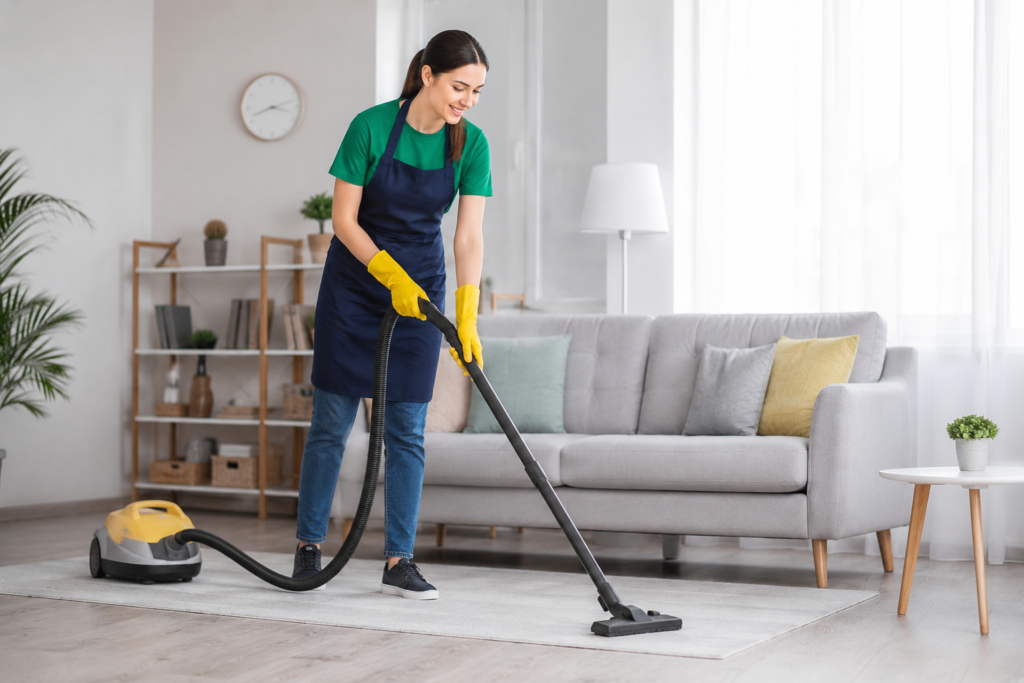
Choosing a home cleaning service can feel confusing. One company has low prices, another has better reviews, and some do not clearly explain what is included. If you have kids, pets, allergies, a busy schedule, or an older family member at home, the choice matters even more. You are not just hiring someone to clean. You are trusting someone inside your home.
After reviewing common homeowner concerns and cleaning service guides, one thing is clear: people want a service that is safe, reliable, clear, and worth the money. This guide will show you how to choose a home cleaning service by checking prices, reviews, insurance, cleaning types, red flags, and the right questions to ask before hiring.
Understanding the Importance of a Clean Home
A clean home is more than a nice-looking space. It can help you feel calm, fresh, and comfortable.
Regular cleaning can also reduce dust, dirt, odors, pet hair, and some germs on common surfaces. This is helpful if you have kids, pets, allergies, or asthma.
But cleaning takes time. Many people are busy with work, school, family, or travel. That is why hiring a home cleaning service can be a smart choice.
A good cleaning company can save you time and reduce stress. It can also help keep your home ready for guests, family, work-from-home days, or short-term rental guests.
But you need to choose carefully. The wrong company can cause problems, such as poor cleaning, broken items, unclear prices, or missed appointments.
A clean home also depends on clear communication. If you tell the cleaner your main concerns before the visit, they can focus on the areas that matter most to you.

Types of House Cleaning Services
Before you hire a cleaning company, you should know what type of cleaning you need. Not every service is the same.
Some companies offer basic cleaning. Others offer deep cleaning or special cleaning jobs.
Here are the most common types of house cleaning services.
Standard Cleaning
Standard cleaning is also called regular cleaning. It is best for homes that are already in fair condition.
It may include:
- Dusting
- Vacuuming
- Mopping
- Cleaning bathrooms
- Cleaning kitchen counters
- Wiping sinks
- Cleaning mirrors
- Taking out trash
This service is good for weekly, biweekly, or monthly cleaning.
Standard cleaning is a good choice for busy working professionals, families, seniors, and anyone who wants steady home support.
However, standard cleaning usually does not include heavy buildup, inside appliances, inside cabinets, wall washing, or major organizing unless you request those tasks as add-ons.
Deep Cleaning
Deep cleaning is more detailed than standard cleaning. It is best if your home has not been cleaned well for a long time.
It may include:
- Cleaning baseboards
- Scrubbing bathroom buildup
- Cleaning corners
- Cleaning cabinet fronts
- Removing kitchen grease
- Cleaning hard-to-reach areas
- Cleaning under movable furniture
Deep cleaning usually costs more than standard cleaning because it takes more time.
This is a good choice for first-time cleaning service users. It is also useful before starting regular cleaning.
Before booking a deep clean, ask what is included. Some companies charge extra for inside the oven, inside the fridge, interior windows, or heavy stain removal.
Move-In or Move-Out Cleaning
Move-in or move-out cleaning is useful when you are changing homes. It is usually more detailed than regular cleaning.
It may include:
- Cleaning inside cabinets
- Cleaning inside drawers
- Cleaning appliances
- Cleaning bathrooms
- Cleaning floors
- Removing dust from empty rooms
This service helps make a home ready for the next person.
It is also helpful if you want to get a rental deposit back or prepare a home before selling it.
When booking this service, tell the company if the home will be empty or furnished. Empty homes are usually easier to clean, but they may still need detailed work in cabinets, closets, appliances, and bathrooms.
One-Time Cleaning
A one-time cleaning is a single cleaning visit. It is good before guests arrive, after a party, or before a special event.
You can also use a one-time cleaning to test a company before booking regular service.
This is a smart choice if you are nervous about hiring a cleaner for the first time.
After the first visit, check the quality of work, communication, timing, and final price. This can help you decide if you want to book the company again.
Recurring Cleaning
Recurring cleaning happens on a set schedule. It can be weekly, biweekly, or monthly.
This is a good choice if you want your home to stay clean all the time.
Recurring cleaning works well for busy families, professionals, seniors, pet owners, and people who want less stress each week.
Many companies offer better pricing for recurring cleaning because the home becomes easier to maintain over time.
Turnover Cleaning
Turnover cleaning is useful for short-term rentals, such as Airbnb or vacation homes.
This type of cleaning must be fast and reliable. It may include:
- Cleaning bathrooms
- Changing linens
- Restocking supplies
- Removing trash
- Checking for damage
- Preparing the home for the next guest
If you manage a rental, choose a cleaning service that can work on a tight schedule.
You should also ask if they can send photos after cleaning, report damaged items, replace supplies, and follow a guest-ready checklist.
Standard Cleaning vs Deep Cleaning
Many people confuse standard cleaning with deep cleaning. But they are not the same.
Use this table to understand the difference.
| Task | Standard Cleaning | Deep Cleaning |
|---|---|---|
| Dusting | Basic surfaces | High, low, and detailed areas |
| Floors | Vacuum and mop | Edges, corners, and under movable items |
| Kitchen | Counters, sink, appliance outside | Grease, cabinet fronts, oven or fridge add-ons |
| Bathroom | Toilet, sink, mirror, and shower | Grout, buildup, fixtures, and corners |
| Bedrooms | Dusting and vacuuming | Baseboards, under furniture, and detailed dusting |
| Time needed | Less time | More time |
| Best for | Regular upkeep | First-time or heavy cleaning |
If your home has not been cleaned in a while, start with deep cleaning. After that, you can move to standard recurring cleaning.
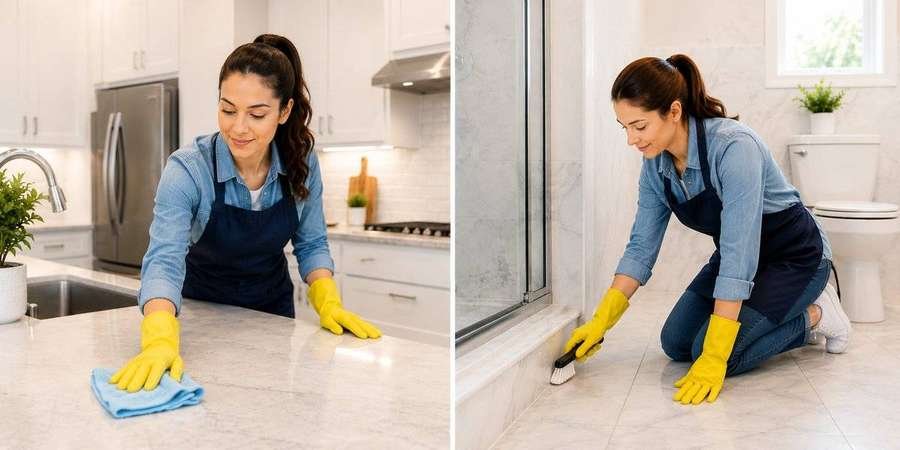
If you are unsure which service you need, ask the company for a checklist or send photos of your home. This helps them suggest the right service and give a more accurate price.
Assessing Your Cleaning Needs
The first step in how to choose a home cleaning service is to understand your own needs.
Do not hire a company before you know what you want cleaned. If your needs are not clear, the quote may not be accurate. Also, the cleaner may miss tasks that matter to you.
Start by walking through your home. Look at each room. Then make a simple list of what needs attention.

Ask yourself:
- How many rooms need cleaning?
- How many bathrooms do I have?
- Do I need kitchen cleaning?
- Do I need dusting?
- Do I need floor cleaning?
- Do I have pets?
- Do I need deep cleaning?
- Do I want weekly or one-time service?
- Do I need child-safe or pet-safe products?
- Do I need help because of age, injury, or limited mobility?
- Do I need fast cleaning between guests?
This step helps you explain your needs clearly.
It also helps you avoid paying for the wrong service. For example, if you only need bathrooms and floors cleaned, you may not need a full-home deep clean. If you need grease removal, baseboards, and buildup removal, standard cleaning may not be enough.
Evaluating Your Home’s Requirements
Every home is different. A small apartment may only need basic cleaning. A large family home may need more time and more cleaners.
Think about the size of your home. Also think about how much dirt, dust, or clutter you have.
A home with pets may need extra vacuuming. A home with kids may need more kitchen and bathroom cleaning. A home with allergies may need fragrance-free or low-irritant products.
A senior or person with limited mobility may need regular help with floors, bathrooms, and high-touch areas. A luxury home may need extra care around furniture, art, electronics, and delicate surfaces.
Also, think about special areas. Some people want the cleaner to focus on the kitchen and bathrooms. Others care most about floors, bedrooms, pet hair, or dusty surfaces.
The clearer you are, the better your results will be.
If your home has delicate surfaces such as marble, natural stone, hardwood, stainless steel, antiques, or specialty tile, tell the company before booking. Some cleaning products can damage these surfaces if they are not used correctly.
Determining Frequency and Specific Areas
Next, decide how often you need cleaning.
Common options include:
- Weekly cleaning
- Biweekly cleaning
- Monthly cleaning
- One-time cleaning
- Seasonal deep cleaning
- Same-day turnover cleaning
Weekly cleaning is best for busy homes. Biweekly cleaning works well for many families. Monthly cleaning can help if your home stays fairly clean.
Short-term rental hosts may need cleaning after every guest. Seniors may prefer the same day and time each week. Busy professionals may need flexible booking around work hours.
You should also choose your main cleaning areas, such as:
- Kitchen
- Bathrooms
- Bedrooms
- Living room
- Dining room
- Hallways
- Floors
- Dusty areas
- Pet areas
- Guest areas
When you know your top areas, the cleaning company can give a better quote.
You should also decide whether you want checklist-based cleaning or hourly cleaning. Checklist cleaning is good when you want specific tasks done. Hourly cleaning is useful when you have a limited budget and want cleaners to focus on the most important areas first.
How Do You Choose the Right Type of Cleaning Service for You?
You should choose a cleaning service based on your home, budget, lifestyle, and comfort level.
If your home needs regular care, choose standard recurring cleaning. If your home needs a full reset, choose deep cleaning first. Then you can switch to regular cleaning.
If you are moving, choose move-in or move-out cleaning. If you only need help before an event, choose one-time cleaning.
If you have pets, ask for pet-friendly cleaning. If you have kids, ask about safer products. If you have allergies, ask about fragrance-free or low-irritant options.
Here is a simple guide:
| Your Need | Best Service Type |
|---|---|
| Regular home care | Standard cleaning |
| Very dirty or neglected areas | Deep cleaning |
| Moving in or moving out | Move-in or move-out cleaning |
| Guests are coming | One-time cleaning |
| Busy family schedule | Weekly or biweekly cleaning |
| Pet hair and dust | Recurring cleaning with pet focus |
| Allergies or asthma | Low-irritant or fragrance-free cleaning |
| Short-term rental | Turnover cleaning |
| Senior home support | Regular trusted cleaning |
| High-value home items | Careful service with insurance and trained staff |
Choosing the right service helps you avoid paying for work you do not need.
You should also think about whether you want a cleaning company or an independent cleaner. A company may offer insurance, backup cleaners, customer support, and easy scheduling. An independent cleaner may offer more personal service, but you should still check references, experience, and insurance.
Researching Cleaning Services
Once you know your needs, start researching cleaning services near you.
Do not choose the first company you see. Compare a few options first. A little research can help you avoid bad service.
You can search online for terms like:
- home cleaning service near me
- house cleaning service near me
- reliable house cleaners near me
- deep cleaning service near me
- recurring home cleaning service
- professional cleaning company near me
- pet-friendly cleaning service near me
- move-out cleaning service near me
Look at the company website. Check what services they offer. Also look for contact details, service areas, prices, reviews, and customer support options.
A good cleaning company should make it easy to understand what they do.
Also check if the company has clear service pages for your specific need. For example, if you need move-out cleaning, the company should explain what is included in move-out cleaning, not just general house cleaning.
Finding Reputable Cleaning Services
A reputable cleaning service should look professional and trustworthy.
Look for these signs:
- Clear website
- Real customer reviews
- Local service area
- Easy contact options
- Clear list of services
- Trained cleaners
- Insurance information
- Satisfaction guarantee
- Written quotes
- Clear cancellation policy
- Safe product options
You can also check Google reviews, Yelp, BBB, Angi, and local community groups.
Do not only look at the star rating. Read the reviews too. Look for patterns. If many people mention late arrivals, poor cleaning, or hidden fees, be careful.
If you have a special need, read reviews from people like you. For example, pet owners should look for reviews about pet hair. Families should look for reviews about safe and careful service. Rental hosts should look for reviews about timing and reliability.
A reputable company should also be willing to answer questions before you book. If they avoid basic questions, that can be a warning sign.
Research Local Cleaning Companies
Local cleaning companies can be a good choice because they understand your area. They may also offer flexible scheduling.
When researching local cleaning companies, compare at least three options. This gives you a better idea of prices and service quality.
Check these details:
- How long has the company been in business?
- Do they serve your area?
- Do they offer your needed service?
- Do they have good reviews?
- Do they explain their cleaning process?
- Do they have trained staff?
- Do they provide cleaning supplies?
- Do they offer a guarantee?
- Can they handle your family, pet, health, or schedule needs?
Also, check if the company has a real local presence. A real business should have a phone number, email, service page, and clear policies.
You can also check how quickly they respond. Fast and clear communication before booking is often a sign of better service later.
Read Customer Reviews and Testimonials
Reviews are important when choosing a home cleaning service. They show how the company treats real customers.
Look for reviews that mention:
- Cleaning quality
- On-time arrival
- Friendly staff
- Trust and safety
- Fair pricing
- Good communication
- Problem solving
- Repeat service
- Care with pets
- Care with children’s areas
- Respect for seniors
- Reliable scheduling
A few bad reviews are normal. But repeated complaints are a warning sign.
Be careful if many reviews say:
- The cleaners were late
- The company did not answer calls
- The cleaning was rushed
- Items were damaged
- The price changed after booking
- The company ignored complaints
- The cleaner missed important areas
- The company was not flexible
Also, look at how the company replies to bad reviews. A professional company should respond with care and respect.
Do not trust only perfect reviews. Real companies may have mixed feedback, but what matters is how they handle problems and whether most customers are happy.
Ask for Recommendations
Recommendations can help you find a good cleaning service faster.
Ask people you trust, such as:
- Friends
- Family
- Neighbors
- Coworkers
- Local Facebook groups
- Community groups
- Other parents
- Pet owners
- Local rental hosts
A personal recommendation can be very useful. People you know can tell you if the cleaner was on time, respectful, and careful.
Still, do your own research. A company that works well for one person may not be the best fit for your home.
Ask questions like:
- Were you happy with the cleaning?
- Was the price fair?
- Did they arrive on time?
- Were they careful with your home?
- Were they good with pets or kids?
- Did they follow instructions?
- Would you hire them again?
These answers can help you make a better choice.
You can also ask if the company solved problems professionally. A good cleaning company should not only clean well, but also respond well if something goes wrong.
Compare Prices and Services
Price matters, but it should not be the only factor. The cheapest cleaning service is not always the best one.
A very low price can mean rushed work, poor training, or no insurance. A high price also does not always mean better service.
Compare what each company includes in the price.
Ask if the price includes:
- Bathrooms
- Kitchen
- Floors
- Dusting
- Bedrooms
- Trash removal
- Supplies
- Equipment
- Add-on services
Also ask about extra fees. Some tasks may cost more.
Common add-ons include:
- Inside oven
- Inside fridge
- Inside cabinets
- Laundry
- Dishes
- Windows
- Baseboards
- Pet hair removal
- Heavy clutter
- Turnover setup
- Linen change
- Restocking supplies
Budget-conscious homeowners should pay close attention to this step. A low quote may not include the tasks you need.
Always ask for a written quote before booking.

You should also ask whether pricing is flat-rate or hourly. Flat-rate pricing is easier to understand, while hourly pricing may change depending on how long the job takes.
Comparing Service Providers
When comparing cleaning providers, do not just compare the price. Compare the full value.
Use this table:
| Factor | Why It Matters |
|---|---|
| Price | Helps you stay within budget |
| Reviews | Shows customer experience |
| Services | Confirms they offer what you need |
| Availability | Makes sure they fit your schedule |
| Supplies | Shows who provides products and tools |
| Training | Helps ensure better cleaning quality |
| Insurance | Protects your home |
| Guarantee | Shows they stand behind their work |
| Product options | Helps families, pet owners, and allergy-sensitive homes |
| Flexibility | Helps busy workers, seniors, and rental hosts |
The best company is not always the cheapest. It is the one that gives the best mix of quality, trust, and fair pricing.
Also compare communication. A company that answers clearly, sends written details, and explains policies is usually easier to work with.
Factors to Consider
Before you hire, think about these factors:
- Your budget
- Home size
- Type of cleaning
- Cleaning frequency
- Company reputation
- Staff training
- Background checks
- Cleaning products
- Customer support
- Satisfaction guarantee
- Pet needs
- Child safety needs
- Allergy concerns
- Access instructions
- Schedule flexibility
Also, think about comfort. You are allowing cleaners into your home. So, trust is very important.
A good cleaning company should answer your questions clearly. If they avoid simple questions, that is a red flag.
You should also think about privacy. Tell the cleaner if there are rooms, drawers, closets, or personal areas they should not enter or touch.
Check Their Availability and Flexibility
A cleaning service must fit your schedule.
Before hiring, ask about available days and times. Some companies are booked weeks ahead. Others may offer faster appointments.
Ask if they offer:
- Morning cleaning
- Afternoon cleaning
- Weekly service
- Biweekly service
- Monthly service
- One-time cleaning
- Rescheduling options
- Turnover cleaning for rentals
- Same cleaner or same team
Also ask about cancellation rules. Some companies charge a fee if you cancel late.
If your schedule changes often, choose a company with flexible booking options.
Busy professionals may need evening or weekend options. Families may need cleaning during school hours. Seniors may prefer a steady weekly time. Airbnb hosts may need fast cleaning between checkout and check-in.
You should also ask what happens if your regular cleaner is sick or unavailable. A good company should have a backup plan.
Ask About Their Cleaning Products and Equipment
Some cleaning companies bring their own supplies. Others ask you to provide them. You should know this before booking.
Ask these questions:
- Do you bring your own products?
- Do you bring your own vacuum and mop?
- Are your products safe for pets?
- Are your products safe for kids?
- Do you offer eco-friendly cleaning?
- Do you offer fragrance-free products?
- Can I request certain products?
- Do you use low-irritant products?
- Do you have options for allergy-sensitive homes?
This is very important if you have allergies, asthma, babies, pets, or sensitive skin.
Also, ask if the products are included in the price. If not, you may need to buy supplies yourself.
If you want the company to use your products, label them clearly and explain where they should be used. This helps avoid damage to surfaces.
Ensure They’re Background-Checked and Trained
Trust is one of the biggest parts of choosing a home cleaning service. Cleaners may enter your home when you are not there. So, safety matters.
Ask if the company background-checks its workers. Also ask if cleaners are trained before they enter customer homes.
A good cleaning company should train workers on:
- Cleaning methods
- Safe product use
- Care for home items
- Customer service
- Time management
- Safety rules
- Pet instructions
- Handling delicate items
- Respecting private spaces
This is important for families, seniors, luxury homeowners, and first-time users.
You should also ask if the company sends the same cleaner or team each time. Many homeowners prefer this because the cleaner learns their home and preferences.
Training is especially important for special surfaces, expensive items, and homes with pets or children.
Check If the Company Is Licensed, Bonded, and Insured
A trusted cleaning company should be able to explain its business protection policies.
This matters because cleaners work inside your home. They may clean near furniture, electronics, valuables, pets, and personal items.
Ask if the company is licensed or registered where required. Also ask if it is bonded and insured.
Here is what these terms usually mean:
| Term | What It Means | Why It Matters |
|---|---|---|
| Licensed or registered | The company is allowed or registered to operate where required | Helps show the business is legitimate |
| Bonded | May protect you if theft or dishonest acts happen | Adds trust when cleaners enter your home |
| Liability insured | May help cover accidental property damage | Helps protect your home |
| Workers’ compensation | May cover worker injury on the job | Protects workers and may protect homeowners |
| Background-checked | Workers have been screened | Helps improve safety and trust |
Before booking, ask for proof if needed. A professional company should not be offended by this question.
This step is especially important if you own high-value items, have a large home, or plan to book ongoing service.
If a company cannot explain its insurance or refuses to answer, it is safer to keep looking.
Interviewing and Hiring
Before you hire a cleaning service, talk to them first. This does not have to be a formal interview. A phone call or online form may be enough.
The goal is simple. You want to know if they are professional, clear, and trustworthy.
Pay attention to how they communicate. Do they answer quickly? Are they polite? Do they explain their services well?
Good communication before booking often means better service later.
Also notice whether they ask questions about your home. A professional company should want to know the size of your home, number of bathrooms, cleaning type, pets, special requests, and access instructions before giving a final quote.
Preparing Questions to Ask
Prepare a list of questions before you call.
Here are helpful questions:
| Question | Why You Should Ask |
|---|---|
| What is included in your standard cleaning? | To avoid confusion |
| Do you offer deep cleaning? | To match your needs |
| Do you bring supplies? | To know what to prepare |
| Are your cleaners trained? | To check service quality |
| Do you run background checks? | To protect your home |
| Are you insured? | To protect against damage |
| What costs extra? | To avoid hidden fees |
| Do you offer a guarantee? | To know your options if unhappy |
| What is your cancellation policy? | To avoid surprise charges |
| Do you use pet-safe products? | To protect pets |
| Do you offer fragrance-free products? | To help allergy-sensitive homes |
| Can I request the same cleaner? | To build trust and routine |
| Can you handle move-out or rental turnover cleaning? | To match special needs |
These questions make it easier to compare companies.
You can also ask how they handle keys, lockboxes, alarm codes, and pets. Home access should always be handled carefully.
Conducting Interviews
When you speak with a cleaning company, listen carefully to their answers.
A good company will give clear answers. They will explain prices, services, products, and policies.
A bad company may give vague answers. They may say things like “we clean everything” without a checklist. That can lead to problems later.
During the call, ask for a written estimate. Also ask for a cleaning checklist. This helps both sides understand the job.
You should also explain your expectations clearly. For example, tell them if bathrooms are your top priority, if you have pets, or if certain rooms should be skipped.
Making the Final Decision
After you compare your options, choose the cleaning service that gives you the most confidence.
Before making the final decision, review these points:
- They offer the service you need
- They have good reviews
- Their price is clear
- Their schedule works for you
- They answer questions well
- They use safe products
- They have trained cleaners
- They offer a satisfaction guarantee
- They give a written quote
- They understand your family, pet, health, or schedule needs
Do not rush. A home cleaning service should make your life easier, not harder.
If two companies seem similar, choose the one with clearer communication, better policies, and stronger customer trust.
Ask What Is Not Included
A standard cleaning does not always include every task. Some jobs may cost extra.
These tasks may be add-ons:
- Inside oven
- Inside fridge
- Interior windows
- Laundry
- Dishes
- Inside cabinets
- Wall washing
- Carpet shampooing
- Heavy stain removal
- Mold removal
- Pet waste cleanup
- Organizing clutter
- Cleaning outdoor areas
- Changing linens
- Restocking rental supplies
Always ask what is included before you book. This helps you avoid surprise fees.
It also helps the cleaner understand your expectations.
You should also ask what the company will not clean. Some companies do not handle mold, biohazards, pest waste, heavy lifting, or unsafe areas.
Get the Details in Writing
Before hiring, ask for the cleaning details in writing. This can be an email, quote, checklist, or service agreement.
The written details should include:
- Price
- Cleaning date and time
- Rooms included
- Tasks included
- Extra fees
- Cancellation rules
- Payment method
- Damage policy
- Satisfaction guarantee
- Product requests
- Pet instructions
- Entry instructions
- Rental turnover details, if needed
Written details protect both you and the cleaning company.
They also make it easier to solve problems later.
If you request special tasks, make sure they are included in writing. Verbal promises can be forgotten or misunderstood.
Look for a Satisfaction Guarantee
A satisfaction guarantee is a good sign. It means the company is willing to fix problems.
Ask what happens if you are not happy with the cleaning. Some companies offer a free re-clean within a certain time. Others may give a partial refund or credit.
Ask these questions:
- Do you offer a satisfaction guarantee?
- How soon do I need to report a problem?
- Will you send someone back to fix it?
- Is the re-clean free?
- What problems are covered?
A clear guarantee protects you. It also shows that the company cares about quality.
This matters for all customers. But it is especially important if you are booking a deep clean, move-out clean, or recurring service.
Make sure you understand the time limit for reporting issues. Some companies require you to report problems within 24 hours.
Red Flags When Choosing a Home Cleaning Service
Some cleaning companies look good at first but may not be reliable. Watch for warning signs before you book.
Be careful if a cleaning service:
- Gives a price without asking about your home
- Has no clear cleaning checklist
- Has no reviews or many bad reviews
- Refuses to explain insurance
- Cannot say if cleaners are background-checked
- Has unclear fees
- Asks for full payment before the job
- Has no cancellation policy
- Gives vague answers
- Does not offer a written quote
- Pressures you to book right away
- Cannot explain what products they use
- Has no plan for pets, keys, or home access
- Does not explain what happens if something is damaged
A good company should be clear before you book. If something feels wrong, keep looking.
Another red flag is poor communication. If a company is slow, rude, or confusing before you book, the service may not improve after you pay.
Start Small and Evaluate
If you are unsure, start with a small job. For example, book a one-time cleaning before choosing recurring service.
This lets you test the company.
After the first clean, check:
- Did they arrive on time?
- Was the home cleaned well?
- Did they follow your instructions?
- Were they careful with your items?
- Was communication good?
- Was the price the same as quoted?
- Did they handle pets, kids’ areas, or special instructions well?
- Would you hire them again?
If the first cleaning goes well, you can book regular service.
Starting small is a smart way to avoid long-term problems.
You can also use the first cleaning to adjust your checklist. If something was missed, explain it politely before the next visit.
First Cleaning Evaluation Checklist
After the first cleaning, take a few minutes to review the work.
Use this checklist:
| Question | Yes or No |
|---|---|
| Did they arrive on time? | |
| Did they follow your instructions? | |
| Were the kitchen and bathrooms cleaned well? | |
| Were the floors cleaned properly? | |
| Were items handled with care? | |
| Was the final price the same as the quote? | |
| Was communication easy? | |
| Were pet or child instructions followed? | |
| Were allergy or product requests followed? | |
| Would you trust them again? |
If most answers are yes, the cleaning company may be a good fit.
If several answers are no, talk to the company. If they do not fix the problem, consider choosing another service.
Also check whether the company accepts feedback professionally. A good company should want to improve and keep you as a customer.
Conclusion
Choosing the right home cleaning service becomes easier when you know what to check before booking. From reviewing cleaning service guides and common homeowner concerns, the best choice is usually not the cheapest company, but the one that gives clear prices, explains what is included, has strong reviews, uses safe products, trains its cleaners, answers questions honestly, and offers a fair guarantee. Before hiring, compare a few local companies, ask about supplies, insurance, background checks, extra fees, and cleaning tasks, and share any special needs like kids, pets, allergies, or move-out cleaning. If you are unsure, start with a one-time cleaning and use the first visit to judge their quality, care, and communication.

FAQ
What should I look for in a home cleaning service?
Look for clear pricing, good reviews, trained cleaners, safe products, background checks, insurance, and a satisfaction guarantee. You should also ask what is included and what costs extra.
How do I know if a cleaning service is trustworthy?
Check reviews, ask for referrals, read their policies, and ask if they are insured, bonded, and background-check their cleaners. A trustworthy company should answer your questions clearly.
Should a home cleaning service be insured?
Yes. Insurance can help protect your home if something is damaged during cleaning. You should ask the company what type of insurance it has before hiring.
What questions should I ask before hiring a cleaning service?
Ask what is included, what costs extra, who brings supplies, whether cleaners are trained, and what happens if you are not happy with the cleaning.
Is deep cleaning the same as regular cleaning?
No. Regular cleaning is for basic upkeep. Deep cleaning is more detailed. It covers areas that are often missed during normal cleaning.
Do cleaning services bring their own supplies?
Some cleaning services bring their own supplies and equipment. Others ask you to provide them. Always ask before booking.
How often should I schedule home cleaning?
It depends on your home and lifestyle. Busy homes may need weekly cleaning. Many families choose biweekly cleaning. Smaller or less busy homes may only need monthly cleaning.
How do I choose a cleaning service if I have pets?
Ask if the company uses pet-safe products. Also ask if they can handle pet hair, odors, and extra vacuuming. Give clear instructions about where your pets will be during the visit.
How do I choose a cleaning service if I have kids?
Ask about safe products, background checks, and cleaning methods. You may also want the cleaner to focus on kitchens, bathrooms, floors, and high-touch area
How do I choose a cleaning service for an older adult?
Look for a trusted company with background-checked cleaners, clear communication, and flexible scheduling. It can also help to request the same cleaner each time.
How do I avoid overpaying for a home cleaning service?
Compare at least three companies. Ask what is included, what costs extra, and whether supplies are included. Do not choose only based on the lowest price.
What are cleaning tools?
Cleaning tools are items used to clean your home. These may include a vacuum, mop, broom, duster, cloths, brushes, sponges, and cleaning sprays.
Some home cleaning services bring their own tools. Others may ask you to provide them.
Where do I start cleaning my home?
Start with the rooms that need the most attention. For many homes, this means the kitchen and bathrooms.
If you are hiring a cleaning service, make a list of your top areas first. This helps the cleaner focus on what matters most.
How do I keep my home tidy and clean?
You can keep your home cleaner by doing small tasks each day. Put items back where they belong. Wipe counters. Wash dishes. Take out trash. Vacuum high-traffic areas often.
You can also book recurring cleaning service for deeper support.
What happens if we don’t clean the house?
If a house is not cleaned, dust, dirt, germs, and odors can build up. This can make the home less comfortable. It may also affect allergies or breathing problems.
Regular cleaning helps keep your home healthier and easier to manage.

Muhammad Muaz
Muhammad Muaz shares practical cleaning, home care, improvement and everyday living guides for Urban Home Guide readers.
Related Home Guides